
The Shift in International Student Preferences
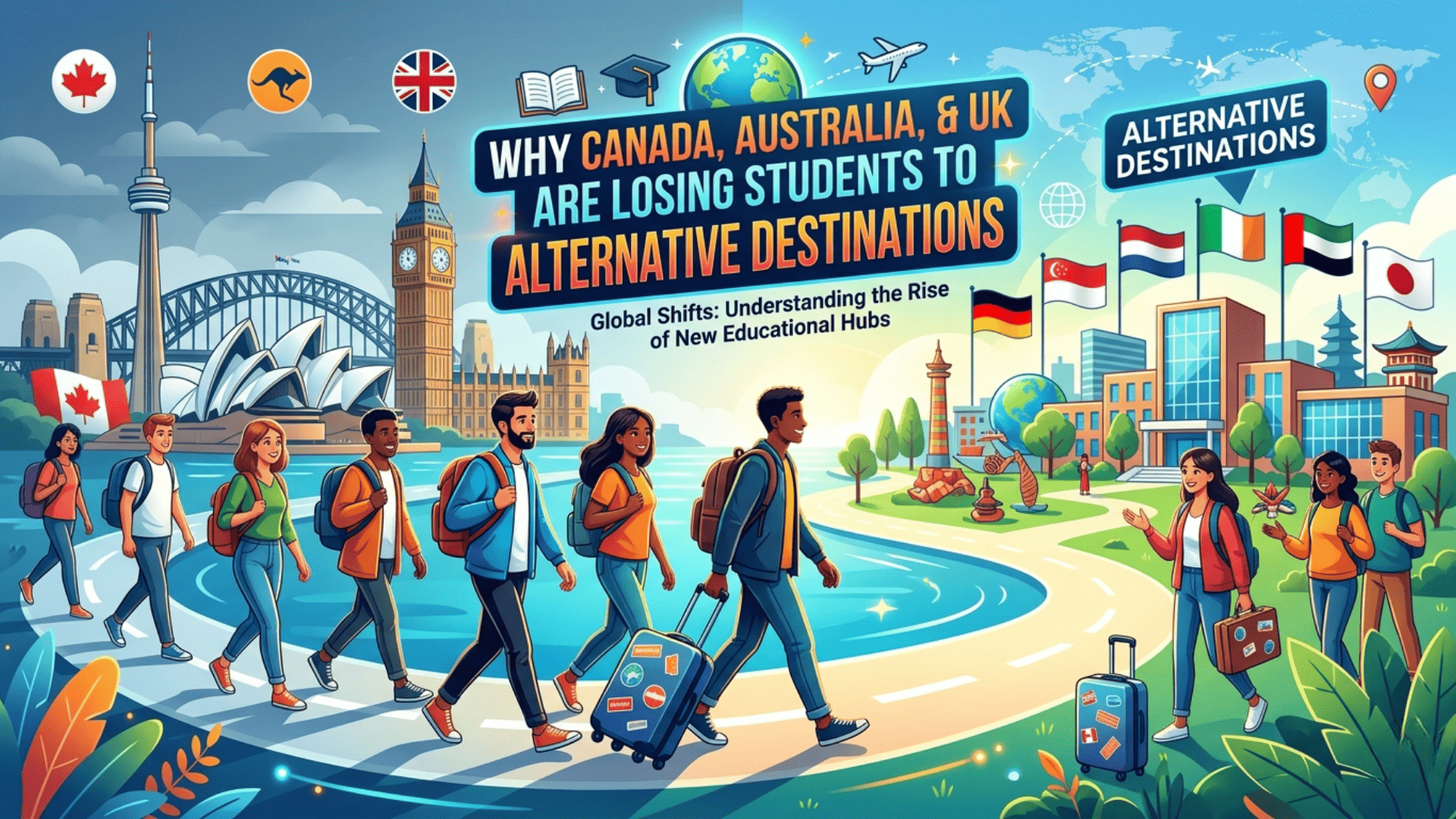
The landscape of international education is shifting dramatically, as students increasingly opt for alternative study destinations over traditional powerhouses like Canada, Australia, and the UK.
Key factors influencing this shift include:
- Cost of Education: Countries such as Germany and Norway offer tuition-free education for international students, making them appealing choices for budget-conscious learners.
- Post-Study Work Opportunities: Countries like New Zealand and Ireland are enhancing their post-study work visa options, allowing graduates to gain valuable work experience and settle longer.
- Quality of Life: Many students prioritize a balanced lifestyle. Nations with lower living costs and vibrant cultures, such as Portugal and Spain, are gaining traction.
Pro Tip: Institutions should consider offering financial aid or scholarships to attract prospective students. According to a 2024 survey by Statista, a notable 60% of students cite financial constraints as a primary concern in their study destination decision-making.
Case Study: In 2023, the number of Indian students choosing Germany increased by 25%, attributed to its strong engineering programs and no tuition fees, highlighting the change in preference patterns.
Factors Contributing to the Decline in Canada, Australia, and the UK
- High Tuition Costs: Many prospective students find the tuition fees in Canada, Australia, and the UK prohibitively expensive. For instance, international students in the UK can pay upwards of £20,000 per year, prompting them to consider more affordable destinations like Germany, where tuition is often free or minimal.
- Visa Regulations: Stricter visa regulations can deter students. An example is the UK's recent changes to post-study work rights, which have made it more challenging for graduates to remain in the country after completing their studies. Countries like Canada, however, are promoting more favorable post-graduation work options, thus attracting more international students.
- Living Costs: The high cost of living in major cities such as London or Sydney is another factor. With rent and daily expenses soaring, students may opt for countries with lower living costs, like Poland or Mexico, which offer vibrant educational experiences at a fraction of the price.
- Perception of Quality: Some students perceive alternative destinations as offering comparable or superior education for less money. For example, countries like the Netherlands have gained a reputation for high-quality English-taught programs that are budget-friendly.
Pro Tip: Institutions in Canada, Australia, and the UK should emphasize scholarships and financial aid options to counteract these challenges and attract more international students.
Rising Tuition Costs and Living Expenses
Rising tuition costs and living expenses in Canada, Australia, and the UK present significant challenges for international students. According to a 2024 survey by Statista, tuition fees have increased by an average of 5-10% annually in these countries, making them less attractive compared to alternatives like Germany or the Netherlands, where public universities often charge minimal fees.
Living costs are similarly daunting. In cities like London and Sydney:
- Average monthly rent can exceed £1,500 or A$2,800.
- Daily expenses for food and transportation can add up to £40 or A$70.
Many students are now exploring more affordable options in countries such as Portugal, where tuition can be as low as €1,000 per year, coupled with lower living costs.
Pro Tip: Prospective students should use cost comparison tools to assess the total financial burden, including tuition and living expenses, across different countries. This can help identify more budget-friendly destinations without compromising quality education.
Visa and Immigration Challenges
Visa and immigration processes in Canada, Australia, and the UK can be cumbersome and disheartening for prospective students. Lengthy application times, complex paperwork, and constantly changing regulations often deter students from these countries.
- Long wait times for visa approval can push students to consider alternatives. For instance, students from India reported waiting up to six months for a UK study visa in 2023.
- High costs associated with visa applications and the requirement for proof of funds can be a barrier. Australian visa fees alone can exceed CAD 600, not including further financial documentation.
Pro Tip: Students should explore countries with streamlined visa processes, such as Germany, which offers free tuition and a more straightforward student visa application.
Case Study: A student from Nigeria opted for a German university after facing challenges with the UK’s visa application timeline and costs. This decision highlights how cumbersome immigration processes can influence choices.
Emphasizing the importance of a supportive and transparent immigration system, alternative destinations are increasingly attracting students seeking easier transitions.
Alternative Study Destinations Gaining Popularity
Several alternative study destinations are gaining traction among international students seeking quality education and unique experiences.
- Germany: Known for its strong engineering and technology programs, Germany offers numerous tuition-free or low-cost education opportunities, particularly for non-EU students. For instance, institutions like the Technical University of Munich have attracted students for their excellent research facilities and courses taught in English.
- Netherlands: With a growing number of English-taught programs, the Netherlands is appealing for its innovative teaching methods and diverse student population. Universities such as the University of Amsterdam provide a vibrant urban setting along with high-quality education.
- Sweden: Combining high standards of living and a focus on sustainability, Sweden attracts students with its unique study environment. Institutions like Lund University are celebrated for their commitment to research and an inclusive atmosphere.
- New Zealand: Renowned for its stunning landscapes and friendly culture, New Zealand offers a strong educational framework, especially in fields like environmental science and agriculture. Educational institutions such as the University of Auckland are globally recognized.
Pro Tip: Consider factors like living costs, language requirements, and post-graduation work opportunities when evaluating these destinations.
Emerging Education Hubs in Asia
Emerging education hubs in Asia are increasingly attracting students from around the world, providing competitive alternatives to traditional destinations like Canada, Australia, and the UK.
- Singapore stands out with its world-class universities and strong emphasis on technology and innovation. Schools like the National University of Singapore (NUS) are recognized globally, contributing to Singapore's reputation as a leading educational center.
- Malaysia offers affordable tuition fees and a diverse cultural landscape. Institutions such as Universiti Malaya are gaining recognition, attracting international students seeking quality education without breaking the bank.
- South Korea is becoming a prominent choice due to its excellent research facilities and programs in technology and engineering. The Seoul National University is often ranked high for its academic excellence, making it an attractive option for STEM students.
Pro Tips:
- Students should consider the cost of living and cultural fit when choosing an education hub.
- Research scholarship opportunities available in these emerging destinations to ease financial burdens.
- Engage with local student communities online to gain insights before making a decision.
European Destinations Offering Competitive Advantages
European destinations are increasingly attracting students with unique advantages that Canada, Australia, and the UK may struggle to match.
- Cost-Effectiveness: Many European countries, such as Germany and France, offer tuition-free or low-cost education for international students. For instance, public universities in Germany charge minimal fees, providing a significant financial incentive.
- Diverse Programs: Countries like the Netherlands and Sweden boast a wide array of programs taught in English. This diversity not only caters to various academic interests but also draws students looking for specialized courses that may not be available in their home countries.
- Cultural Experiences: Europe’s rich history and vibrant cultures offer students immersive experiences. Cities like Barcelona and Prague serve as both educational hubs and cultural landscapes, appealing to those seeking a holistic educational experience.
- Post-Graduation Opportunities: Nations such as Ireland and the Netherlands have favorable visa policies for international graduates, allowing them to stay and work after completing their studies. This can be a deciding factor for students weighing their options.
Pro Tip: Consider studying in countries that offer internships as part of their curriculum; practical experience can enhance employability.
The Role of Quality Education and Employment Opportunities
Quality education and robust employment opportunities are crucial factors influencing students’ choices for study destinations. Countries like Canada, Australia, and the UK, despite their strong academics, are facing stiff competition from alternative destinations that offer more attractive propositions.
- Quality of Education: Students increasingly seek innovative programs and cutting-edge research facilities. Countries such as Germany and the Netherlands are gaining traction with their tuition-free education and high academic standards.
- Job Opportunities: The availability of internships, co-op programs, and post-graduation work visas significantly impacts student decisions. For instance, Canada’s Post-Graduation Work Permit Program has become a model for attracting international students.
- Case Study: In recent years, Australia has seen a decline in enrollments from Indian students, who are now favoring countries like Canada for its favorable immigration policies and job prospects.
Pro Tip: Institutions can enhance their appeal by collaborating with local industries to create internship opportunities and by promoting successful alumni stories that showcase career advancements following graduation.
Impact of Cultural Diversity and Student Experience
The cultural diversity in educational institutions significantly shapes student experiences, influencing their overall satisfaction and success.
- Positive Interaction: Students thrive in environments where they encounter diverse perspectives. For instance, a 2023 study by Educational Insights revealed that 78% of international students in multicultural settings reported higher levels of engagement and satisfaction.
- Community Building: Universities that foster inclusivity often see better community-building efforts. For example, institutions in Canada that host cultural festivals and international student orientation programs help students feel more connected.
- Networking Opportunities: A diverse student body enhances networking potential. Students can form connections across various cultures that can benefit their careers. A graduate from an Australian university noted that her diverse cohort led to global job opportunities.
Pro Tip: Educational institutions can enhance the student experience by implementing mentorship programs that pair international students with local peers, promoting cultural exchange and support.
Cultural diversity enriches education, but if institutions fail to recognize its importance, they risk losing students to countries that actively embrace and celebrate this aspect.
Strategies for Canada, Australia, and the UK to Retain Students
To retain students, Canada, Australia, and the UK can implement several effective strategies:
- Enhance Financial Support: Offering competitive scholarships and financial aid can attract international students. For instance, the Australian government’s Destination Australia program has successfully increased enrollment by providing substantial financial incentives.
- Streamline Immigration Processes: Simplifying visa regulations can make studying in these countries more appealing. Canada’s Express Entry system has shown effectiveness in attracting skilled international students by offering clearer pathways to residency.
- Improve Career Opportunities: Establishing partnerships with local industries allows universities to create programs that lead to internships and job placements. For example, universities in the UK are collaborating with tech companies to develop courses tailored to industry needs.
- Foster Community Engagement: Creating welcoming environments through cultural exchange programs can help international students feel more at home. Australia’s Global Connections program has been instrumental in building community ties.
Pro Tip: Regularly gather feedback from current international students to identify areas for improvement and adapt strategies accordingly. This proactive approach can significantly enhance student satisfaction and retention.
Conclusion
As we explore the shifting landscape of international education, it’s clear that Canada, Australia, and the UK face significant challenges in retaining students. Key takeaways include:
- Cost Considerations: The rising tuition fees and living costs deter many students. For instance, countries like Germany and Norway offer tuition-free education, making them attractive alternatives.
- Quality of Life: Factors such as safety, job opportunities, and cultural experiences heavily influence students' decisions. Countries like Canada often rank high in quality of life, but emerging destinations are catching up.
- Flexible Options: Programs that offer flexibility, like online courses or hybrid learning, are gaining traction. For example, universities in the Netherlands excel in providing such offerings.
To combat this trend, institutions in Canada, Australia, and the UK should:
- Reassess Pricing: Consider restructuring tuition fees to remain competitive.
- Enhance Student Support: Implement robust support systems for international students.
- Market Unique Strengths: Promote what makes studying in these countries unique, such as cultural diversity and innovation in education.
By addressing these areas, these countries can work to reclaim their status as top destinations for international students.