
EduCtrl is a feature-rich cloud-based software to manage all aspects of Overseas Education Consultancy Business, Training/Coaching Institutions.
+91-924-213-7092
Give us a call
info@eductrl.com
Drop us email

Introduction
Imagine waking up in a new country, surrounded by a whirlwind of languages, cultures, and experiences. Living in student housing abroad can be one of the most exhilarating adventures of your life, but it’s not all free-spirited fun and new friendships.
Many students underestimate the challenges that come with these living arrangements. You might find yourself navigating:
- Cultural differences: Understanding social norms can be tricky. For instance, in some countries, sharing food is a sign of friendship, while in others, it may be less common.
- Living conditions: The reality of shared spaces often includes unexpected surprises. You may have to share a kitchen with ten others or adapt to a communal bathroom.
- Financial adjustments: You might face higher living costs than anticipated, particularly in major cities.
Pro tip: Before you go, research your housing options thoroughly. Websites like UniPlaces and HousingAnywhere offer real reviews and insights from other students.
By understanding both the perks and pitfalls, you can make the most of your international study experience and create memories that last a lifetime.
Introduction
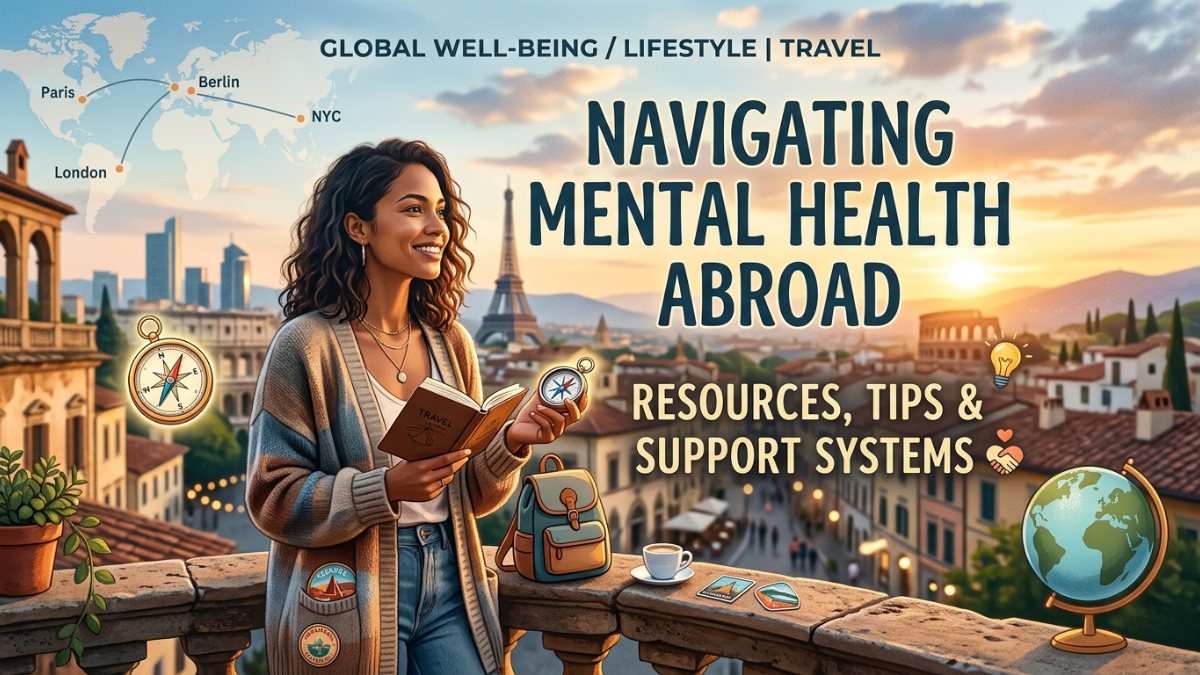
Traveling abroad can be a thrilling adventure, but it can also present unique challenges for your mental health. Whether you're a student studying overseas, a digital nomad, or someone simply exploring new cultures, navigating mental health in a foreign environment is crucial.
Many individuals face feelings of isolation or anxiety when away from familiar support systems. According to a recent survey by Statista, nearly 60% of international students reported feeling lonely at some point during their studies. This statistic highlights the importance of being prepared and knowing where to find help.
To ensure a fulfilling experience abroad, it's essential to equip yourself with the right resources and strategies. Consider the following:
- Research local mental health services before you go.
- Join expat or local community groups to build connections.
- Practice self-care routines that work for you, even in new settings.
With the right tools and support, you can not only maintain your mental well-being but thrive in your new surroundings. Let’s explore the resources and tips that can help you navigate your mental health journey abroad effectively.

Introduction
Building a network in a new country can be daunting, especially for international students. But forging connections with professors and classmates is not only beneficial; it’s essential for academic success and personal growth.
Creating a supportive network can help you:
- Gain insights into academic opportunities and career paths.
- Access resources like study groups and research collaborations.
- Meet friends who can help ease your transition into a new culture.
Consider the experience of Maria, a graduate student from Brazil. By attending office hours and participating in study sessions, she developed strong relationships with her professors, which later opened doors for internships in her field.
Pro tip: Start small! Introduce yourself to classmates after lectures or join clubs that align with your interests. Engaging in these social settings can help you build confidence and expand your network organically.
In this article, we’ll explore effective strategies to connect with professors and classmates, helping you thrive in your academic journey.
Introduction
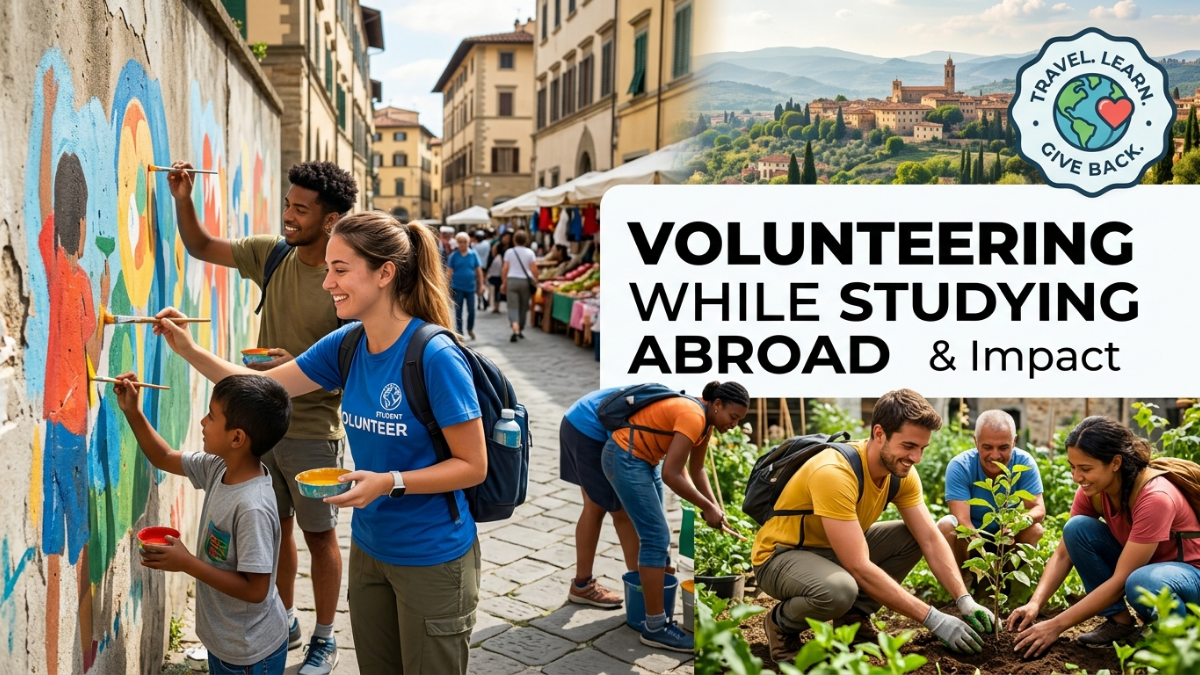
Imagine immersing yourself in a new culture while making a real difference in the community around you. Volunteering while studying abroad offers this unique blend of adventure and altruism, creating unforgettable experiences that go beyond textbooks.
Many students find themselves seeking opportunities that enhance their education and personal growth. Volunteering provides a platform to develop essential skills while exploring new environments. It enables you to:
- Build a global network of friends and professional connections
- Gain hands-on experience in your field of interest
- Improve language skills through real-world practice
For instance, Sarah, a psychology major, volunteered at a mental health clinic in Costa Rica. Not only did she gain valuable insights into the local healthcare system, but she also created long-lasting friendships with locals and fellow volunteers.
Pro tip: Research local NGOs or community-driven projects before you go. Websites like Idealist.org list numerous opportunities tailored for students abroad. With a little planning, you can ensure your time overseas is both impactful and enriching.
 (1)_1774872163.png)
Finding the perfect place to live and study abroad can be a challenge, especially for vegans and vegetarians. The good news? Some cities are not only welcoming to plant-based diets but also bursting with delicious options.
Imagine strolling through vibrant street markets filled with fresh produce or savoring mouthwatering vegan dishes in cozy cafes. According to a recent study by the Vegetarian Society, cities with thriving vegetarian communities often provide better resources for students, including affordable meal options and cooking classes.
Consider these factors when choosing a city:
- Availability of vegan restaurants and grocery stores
- Local culture's openness to plant-based eating
- Student-friendly prices
Cities like Berlin and Melbourne have become hotspots for vegan living, showcasing innovative cuisine and a supportive community. Whether you're craving a gourmet plant-based burger or a simple salad, these locations are sure to fulfill your culinary needs while you focus on your studies. Discover the best student-friendly cities that cater to your dietary preferences!
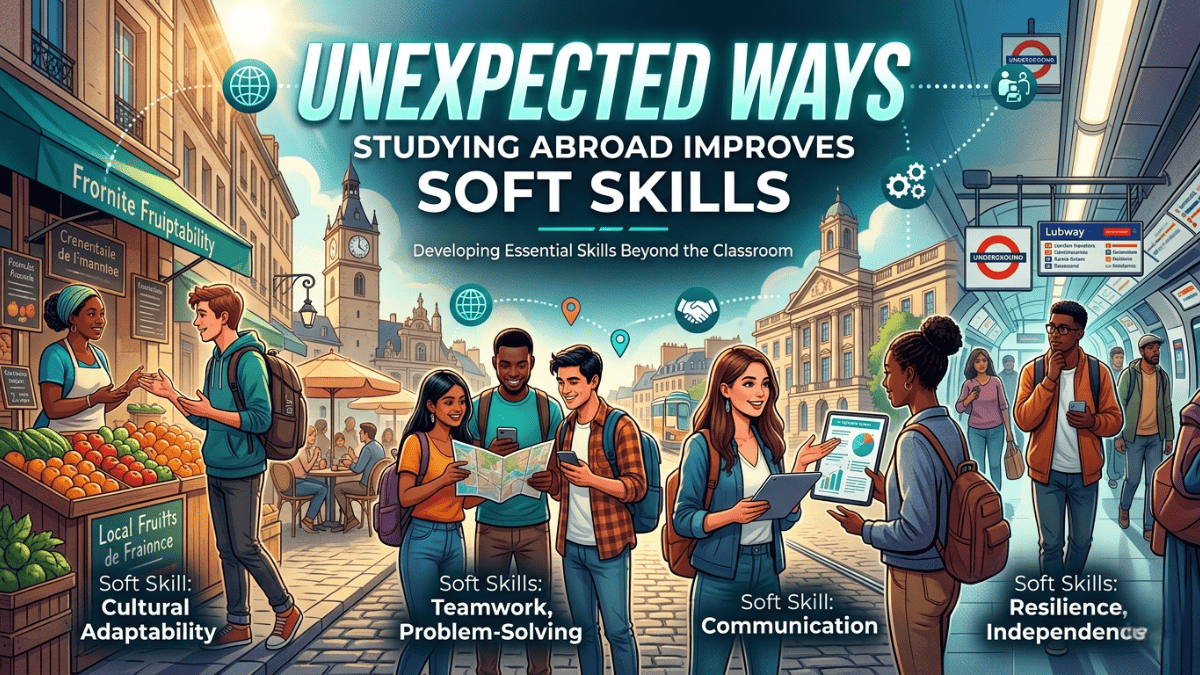
Studying abroad is often seen as a chance to explore new cultures and earn academic credits, but its impact extends far beyond the classroom. It’s a unique opportunity that can significantly enhance vital soft skills that are crucial in today’s global job market.
When students immerse themselves in a different country, they face various challenges that foster personal growth, including:
- Adaptability: Navigating new environments and customs requires flexibility. For instance, a student from the U.S. studying in Japan may need to adjust to different social norms and communication styles.
- Communication: Language barriers can push students to become more effective communicators. A quick chat at a local café can turn into a lesson in active listening and empathy.
- Problem-solving: Encountering unexpected situations, such as getting lost in a foreign city, encourages innovative thinking and resilience.
Pro Tip: Keep a journal during your study abroad experience. Not only does it help document your adventures, but it also allows for reflection on the soft skills you’re developing along the way. Embrace the surprises—each challenge is a step towards becoming a more versatile individual!
Also Read