Understanding WhatsApp Integration in Student CRM
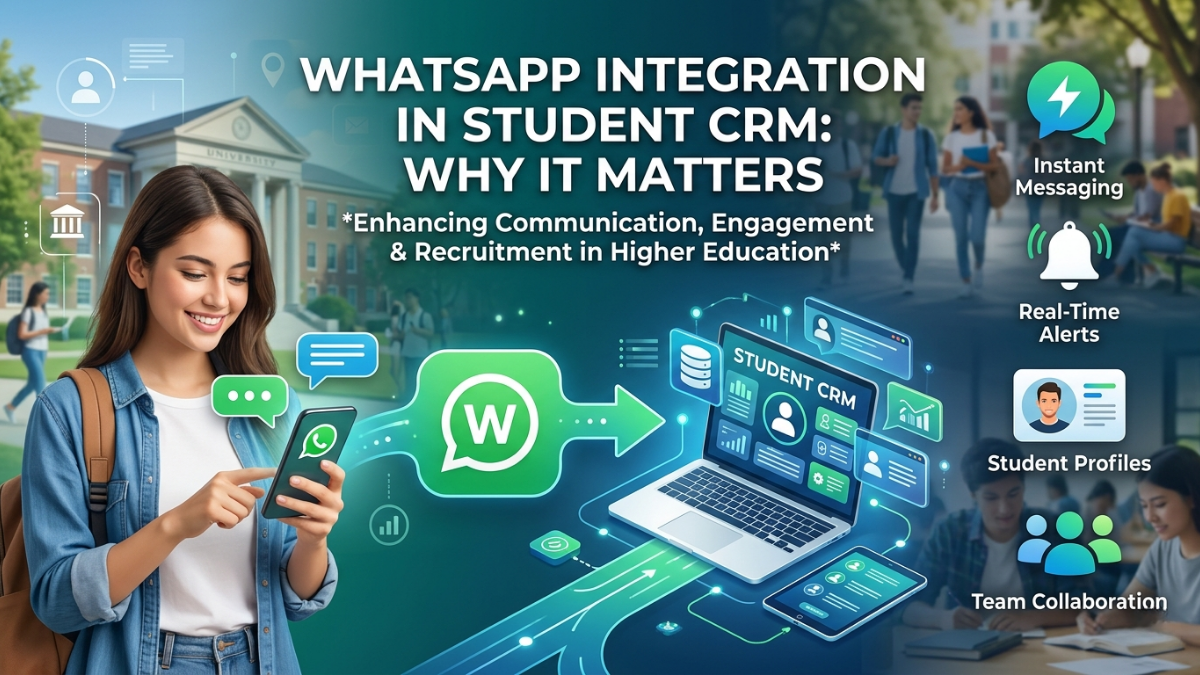
Integrating WhatsApp into a student CRM system allows educational institutions to enhance communication and streamline operations. By leveraging this popular messaging platform, schools and colleges can connect with students and parents in a more engaging and efficient manner.
Key benefits of WhatsApp integration include:
- Real-time Communication: Instant messaging helps resolve queries quickly, improving the overall student experience.
- Higher Engagement Rates: WhatsApp messages have a higher open rate compared to traditional emails, ensuring important updates reach students promptly.
- Personalized Interactions: Institutions can send tailored messages based on individual student needs, such as reminders for deadlines or event invitations.
For example, a university using WhatsApp for enrollment processes reported a 30% reduction in response time for applicant inquiries.
Pro Tip: Utilize WhatsApp groups for class announcements and peer support, fostering a sense of community among students.
Overall, integrating WhatsApp into a student CRM not only enhances communication but also builds stronger relationships, ultimately leading to improved student satisfaction and retention.
The Role of CRM in Educational Institutions
Customer Relationship Management (CRM) systems play a crucial role in enhancing the functionality of educational institutions. By centralizing data and streamlining communication, CRMs help schools, colleges, and universities focus on student engagement and retention.
- Personalized Communication: CRMs enable institutions to send targeted messages to students based on their preferences and behaviors. For example, a university might use data to remind students about upcoming deadlines or events tailored to their interests.
- Streamlined Admissions Process: With a CRM, prospective students can easily track their application status, receive automated updates, and communicate directly with admissions staff. This responsiveness can significantly improve the applicant experience.
- Alumni Engagement: CRMs help maintain relationships with alumni by tracking their achievements and interests, allowing institutions to send relevant updates and opportunities for involvement. For instance, a college might create alumni networking events based on shared career paths.
Pro Tip: Regularly review and update your CRM data to ensure accuracy and relevancy. This practice not only enhances communication but also helps in making informed decisions for future strategies.
Benefits of WhatsApp CRM for Education
- Enhanced Communication: WhatsApp CRM allows educational institutions to engage students and parents through instant messaging. This facilitates timely responses to inquiries, leading to improved satisfaction. For example, a school that used WhatsApp for parent-teacher communication saw a 30% increase in engagement.
- Personalized Experience: With the ability to segment contacts, schools can tailor messages to specific student groups, ensuring relevant information reaches the right audience. For instance, sending reminders about specific events to only those students participating can streamline communication.
- Cost-Effective Solution: Utilizing WhatsApp as a CRM tool can reduce costs associated with traditional communication methods, such as postal mail. A university that switched to WhatsApp for sending newsletters reported a 25% savings in communication expenses.
- Real-Time Updates: Institutions can instantly share updates regarding schedules, grades, or events. Quick notifications can enhance the overall student experience, especially during emergencies. Pro tip: Use WhatsApp Status for concise announcements that reach all contacts at once.
- Increased Engagement: By leveraging interactive features like polls or quizzes, educators can engage students in a fun manner. A college introduced weekly quizzes via WhatsApp and noticed a 40% increase in participation rates.
Enhancing Student Engagement via WhatsApp
Engaging students through WhatsApp can significantly enhance their educational experience. The platform's immediacy and familiarity make it an ideal tool for communication and interaction.
- Real-time Communication: Students expect instant responses. WhatsApp allows educators to answer queries instantly, ensuring that no question goes unanswered. For instance, a university can set up a group chat for each class, making it easy to share resources and updates.
- Interactive Learning: Use WhatsApp for quizzes or polls. For example, a teacher can send a quick quiz link and encourage students to participate, fostering a sense of competition and engagement.
- Personal Connections: WhatsApp helps build relationships. When educators reach out personally, students feel more valued. A simple message to check on their well-being can foster loyalty and enhance engagement.
Pro Tip: Create dedicated groups for different purposes (e.g., announcements, study groups) to streamline communication and keep discussions on topic.
Integrating WhatsApp into student CRM not only enhances engagement but also creates a more supportive learning environment.
Streamlining Communication with Prospective Students
Integrating WhatsApp into your student CRM can significantly enhance communication with prospective students. This platform is familiar to most users, making it a convenient option for engaging with your audience.
- Instant Messaging: With WhatsApp, institutions can send real-time updates about application deadlines or event reminders. For example, a university might send a message to remind students of an upcoming virtual open house.
- Personalization: Use WhatsApp to tailor messages based on student interests. A prospective student interested in engineering might receive information about relevant programs or faculty.
- Multimedia Sharing: Share videos, brochures, and testimonials easily. A short video tour of the campus can be sent directly to students' phones, making the experience more immersive.
Pro Tip: Encourage two-way communication by allowing students to ask questions directly through WhatsApp. This not only builds rapport but also provides valuable insights into student concerns.
According to a recent survey by Statista, 75% of users prefer messaging apps for customer service. By leveraging this trend, educational institutions can create a more engaging and responsive admissions process.
Improving Admission Processes
Integrating WhatsApp into student CRM systems can significantly enhance admission processes. With its widespread use, WhatsApp allows institutions to streamline communication and enhance engagement with prospective students.
- Immediate Communication: Prospective students can reach out at any time, receiving instant responses. This fosters a sense of connection and urgency. For example, a university that utilized WhatsApp for queries saw a 30% increase in applications during their admission cycle.
- Personalized Messaging: Tailored messages can be sent based on student interests, making communication more relevant and engaging. For instance, sending specific course information to students who express interest in particular programs can drive higher conversion rates.
- Group Chats for Information Sessions: Institutions can create group chats for prospective students to share information about upcoming admissions webinars. This not only saves time but also encourages peer interaction.
Pro Tip: Use WhatsApp’s broadcast feature to send updates about application deadlines and events to all interested students simultaneously, ensuring they stay informed.
By leveraging WhatsApp, educational institutions can create a more responsive and efficient admission process, ultimately attracting more applicants.
Case Studies: Successful Implementations
- A recent case study from Eductrl showcased the integration of WhatsApp with their Student CRM. By allowing students to send inquiries via WhatsApp, they reduced response time by 40%, leading to a 20% increase in enrollment.
- Similarly, Global Learn implemented WhatsApp notifications for important deadlines and updates. This proactive approach resulted in a 30% higher engagement rate with students, who appreciated the real-time communication.
- In another example, CareerPath Academy utilized WhatsApp for personalized follow-ups with prospective students. By sending tailored messages based on student interests, they improved their conversion rates by 25%.
Pro Tip: Encourage students to join a WhatsApp group for their cohort. This fosters community and enhances peer-to-peer engagement, which can further boost retention rates.
Integrating WhatsApp into your Student CRM not only streamlines communication but also creates a more connected and responsive educational environment.
Challenges and Considerations
Integrating WhatsApp with a Student CRM can offer significant benefits, but there are challenges to consider:
- Data Privacy Concerns: With the increasing focus on data protection, ensure that your WhatsApp integration complies with regulations like GDPR. For instance, obtain explicit consent before sending messages to students.
- Technology Compatibility: Not all CRMs seamlessly integrate with WhatsApp. Evaluate your current systems to determine compatibility. A case study showed that a university faced delays in communication because their CRM couldn't sync with WhatsApp effectively.
- User Training: Staff may need training to use the new tools effectively. Consider developing a short training program or using video tutorials to enhance user adoption.
- Message Management: Managing responses can become overwhelming. Implement a ticketing system to track inquiries effectively, ensuring no student feels ignored.
Pro Tip: Frequently analyze the integration's performance through metrics like response time and student satisfaction to make necessary adjustments. This will help fine-tune your approach and maximize engagement.
Best Practices for Integrating WhatsApp in Student CRM
- Seamless Onboarding: Integrate WhatsApp into your CRM by allowing students to sign up and receive information directly through the app. For instance, a university can send welcome messages with essential details, helping new students feel connected from day one.
- Automated Responses: Use chatbots to handle common queries about admissions, course offerings, or scholarships. A study from HubSpot found that 70% of students prefer instant responses. Implementing a chatbot can significantly reduce response times.
- Personalized Communication: Leverage student data in your CRM to tailor messages. For example, if a student shows interest in a specific program, send them relevant articles or updates about that field, making them feel valued and engaged.
- Feedback Collection: Use WhatsApp for quick surveys or feedback requests after events. A simple message asking for a rating can enhance your understanding of student satisfaction.
- Pro Tip: Schedule regular check-ins with students via WhatsApp to maintain engagement. This can be particularly effective for online courses, where students might feel isolated.
By following these best practices, educational institutions can establish a strong, interactive presence on WhatsApp, enhancing overall student experience and communication.
Future Trends in CRM for Educational Institutions
The landscape of CRM in educational institutions is evolving rapidly, driven by technological advancements and changing student expectations.
- AI and Automation: Institutions are leveraging AI to personalize student interactions. For instance, chatbots can handle routine inquiries, freeing up staff for more complex issues. A recent study revealed that 60% of students prefer interacting with chatbots for immediate responses.
- Data Analytics: Predictive analytics can help institutions identify at-risk students early, allowing proactive engagement. For example, universities using data insights have seen a 15% increase in graduation rates by targeting support services effectively.
- Mobile-First Approach: With the rise of mobile usage, CRM systems must prioritize mobile accessibility. Institutions that integrate platforms like WhatsApp find that students engage more frequently, leading to improved communication and retention.
- Integration with Learning Management Systems (LMS): A seamless CRM and LMS integration provides a holistic view of student engagement, enhancing the educational experience.
Pro Tip: Regularly survey students to understand their preferences and adjust your CRM tools accordingly. Adapting to their needs ensures that your institution remains relevant and engaging.
Conclusion
Integrating WhatsApp into student CRM systems is not just a trend; it’s a necessity for fostering better communication and engagement. By leveraging this popular messaging platform, educational institutions can enhance their outreach and streamline administrative processes.
Key Takeaways:
- Real-time Communication: WhatsApp facilitates instant communication, allowing for quick responses to student queries and fostering a sense of community.
- Enhanced Engagement: Institutions can share updates, event reminders, and important announcements directly through WhatsApp, significantly increasing student engagement.
- Streamlined Processes: Automating notifications and reminders via WhatsApp can free up staff time and reduce administrative burdens.
Pro Tips:
- Utilize WhatsApp Groups: Create dedicated groups for different student cohorts to tailor communication effectively.
- Incorporate Chatbots: Consider using chatbots for automated responses to frequently asked questions, improving efficiency.
As you assess your student CRM strategy, integrating WhatsApp could be a game-changer. Start by exploring how your institution can implement this tool to create a more connected and responsive educational environment.