Understanding Clean Student Data
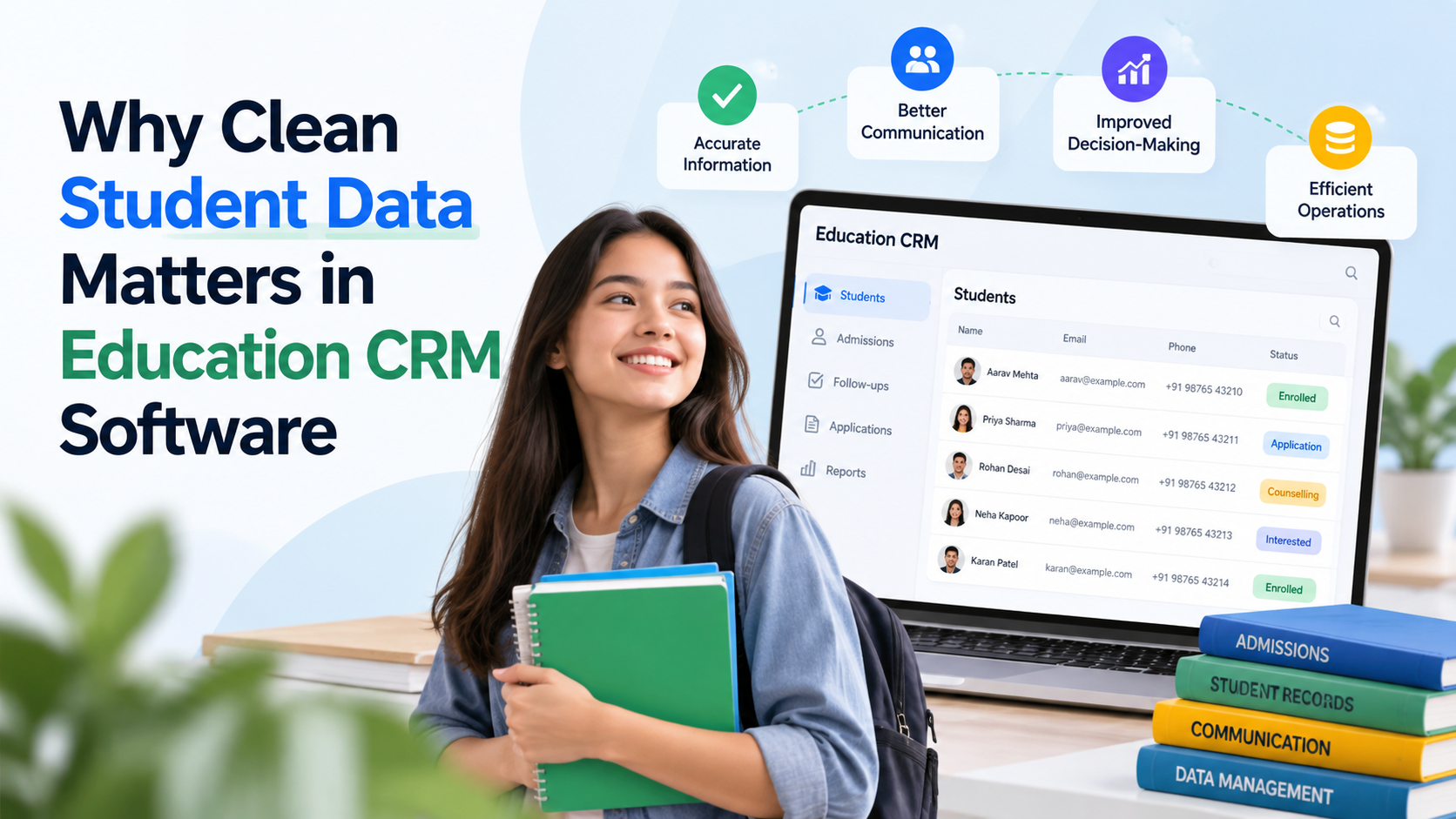
Clean student data is crucial for effective decision-making within education CRM software. Clean data refers to information that is accurate, complete, and consistently formatted. Without it, institutions face various challenges, including miscommunication and inefficient administrative processes.
- Accuracy: Ensure data entries, such as student names and contact details, are correct. Regular audits can help spot and rectify errors.
- Completeness: Missing information can lead to gaps in student profiles. For instance, a school's outreach campaign may fail if it lacks updated email addresses.
- Consistency: Data should be uniformly formatted. For example, using "John Smith" instead of "John A. Smith" can enhance coherence across systems.
Pro Tip: Implement regular data validation checks to maintain quality. Using tools that automatically flag duplicates or inconsistencies can save time and resources.
In a case study, a university that improved its CRM system saw a 30% increase in student engagement by simply cleaning up its database, demonstrating the tangible benefits of maintaining clean student data.
Defining Clean Student Data
Clean student data refers to accurate, consistent, and up-to-date information about students that is essential for effective decision-making in education. This encompasses:
- Basic Information: Names, addresses, and contact details.
- Academic Records: Grades, courses taken, and attendance patterns.
- Demographics: Age, gender, and socioeconomic backgrounds.
For instance, a school district that regularly audits its student data can quickly identify which groups may need additional support, leading to targeted interventions.
Pro tip: Implement regular data hygiene practices, such as quarterly data reviews and automated alerts for discrepancies. This ensures that your data remains reliable over time.
The impact of clean data is profound. A university used clean data to streamline its enrollment process, resulting in a 25% increase in student satisfaction rates. By focusing on data accuracy, organizations can foster trust and improve educational outcomes.
Importance of Data Accuracy
Data accuracy plays a pivotal role in the effectiveness of education CRM software. When student data is accurate, it enables institutions to make informed decisions that enhance student engagement and success.
- Informed Decision-Making: Accurate data allows schools to identify trends and areas needing improvement. For example, if a school's enrollment data reflects a decline in a specific program, targeted initiatives can be developed to address this issue.
- Personalized Learning Experiences: When educators have access to precise student information, they can tailor learning experiences. A case study from a California high school showed that personalized communication led to a 30% increase in student retention.
- Improved Reporting and Compliance: Accurate data ensures that institutions meet regulatory requirements without errors. A university that regularly audits its data reported a significant reduction in compliance issues, saving time and resources.
Pro Tip: Regularly schedule data audits and implement validation checks to maintain high data quality. This proactive approach can help avoid costly errors and enhance overall effectiveness in your CRM efforts.
The Role of Clean Data in Education CRM Software
Clean data plays a vital role in the effectiveness of education CRM software. Without accurate and up-to-date information, institutions risk miscommunication and lost opportunities.
- Enhanced Decision-Making: Clean data ensures that administrators have reliable information on student demographics and performance. For instance, if a university tracks enrollment trends accurately, it can adjust marketing strategies to attract more students.
- Improved Student Engagement: When data is clean, CRM systems can personalize communication. For example, targeted emails based on student interests can lead to higher engagement rates. A study found that personalized emails have a 26% higher open rate.
- Efficient Resource Allocation: Accurate data helps in identifying areas where resources are needed most. If a college detects low engagement in a specific program, it can allocate funds for targeted outreach.
Pro Tip: Regular audits of data quality should be part of the CRM strategy. Implement automated checks to flag duplicates or missing fields, ensuring data integrity remains a priority.
Enhancing Student Data Management
Effective student data management is critical for educational institutions striving to enhance their operational efficiency and improve student experiences. Clean data enables educators to make informed decisions and tailor their approaches to individual student needs.
- Streamlined Registration Processes: With accurate data, schools can automate enrollment and registration, reducing errors and saving time. A university that implemented a clean CRM saw a 30% reduction in processing time for new admissions.
- Improved Communication: Keeping student records organized allows for targeted communication. For example, sending personalized emails about relevant programs can increase student engagement by 40%, as evidenced by a recent study from Education Dynamics.
- Data-Driven Insights: Clean data helps institutions analyze trends, such as dropout rates or course performance. For instance, a community college that utilized clean data analytics identified at-risk students early, leading to a 15% increase in retention rates.
Pro Tip: Regularly audit your student data for accuracy. Implementing a quarterly review process can help maintain data integrity, ensuring that your CRM remains a reliable tool for decision-making.
Improving Communication and Engagement
Effective communication and engagement are at the heart of successful educational institutions. Clean student data enhances these efforts by ensuring accurate messaging and tailored interactions. When information is up-to-date and reliable, administrators can:
- Personalize communications: Tailor messages to specific student needs, interests, and academic progress. For instance, a university could send targeted scholarship opportunities to eligible students based on their GPA and major.
- Enhance engagement: Utilize data to identify students at risk of dropping out and proactively reach out with support resources, such as tutoring or counseling services.
- Foster community: Create targeted events based on student demographics and interests. A school might organize cultural appreciation days that resonate with the diversity of its student body.
Pro Tip: Regularly audit your data to remove duplicates and correct inaccuracies. This practice can help improve engagement by ensuring students receive relevant information.
According to a 2024 survey by Statista, institutions that prioritize data accuracy see a 30% increase in student engagement metrics.
Benefits of High-Quality Student Data
High-quality student data offers a range of significant benefits that can transform educational institutions.
- Improved Decision-Making: Accurate data ensures that administrators can make informed decisions regarding resource allocation and program development. For example, a university using precise enrollment figures can better tailor its courses to meet student demand.
- Enhanced Student Experience: Personalized communication becomes possible with high-quality data. Institutions can send targeted messages and support, leading to higher engagement and satisfaction rates. For instance, sending reminders about deadlines to specific student groups can boost compliance.
- Increased Retention Rates: Analyzing clean data helps identify at-risk students early. By implementing support systems based on this data, schools can reduce dropout rates. A community college saw a 15% increase in retention after introducing data-driven interventions.
- Streamlined Operations: Efficient data management reduces administrative burdens, allowing staff to focus on strategic initiatives rather than data errors.
Pro Tip: Regularly audit your student data for accuracy and completeness. This practice can help spot issues before they escalate and maintain the integrity of your CRM system.
Streamlining Student Information Management
Efficient student information management is crucial for educational institutions aiming to enhance their operations. A well-organized CRM system simplifies the way data is accessed and utilized, leading to better decision-making.
- Centralized Data: Having all student information in one place reduces the risk of errors and miscommunication. For instance, if a school adopts a CRM that integrates admissions, grades, and attendance, staff can quickly access comprehensive student profiles.
- Improved Communication: Streamlined data management enables timely communication with students and parents. Automated notifications for important deadlines or events keep everyone informed.
- Data-Driven Insights: Clean data allows educators to analyze trends effectively. A case study from a mid-sized university showed that using a CRM helped identify programs with higher dropout rates, leading to proactive support initiatives.
Pro Tip: Regularly audit your student data for accuracy. Schedule quarterly reviews to ensure that information remains current. This habit can save time and prevent problems down the line.
Boosting Decision-Making Processes
Clean student data significantly enhances decision-making processes in educational institutions. When data is accurate and up-to-date, it provides a solid foundation for strategic planning and resource allocation.
- Informed Decisions: Reliable data enables educational leaders to make informed choices regarding curriculum development, student support services, and budgeting. For example, a school that tracks student performance accurately can identify trends and adjust teaching methods accordingly.
- Predictive Analytics: Clean data supports predictive analytics, helping institutions forecast enrollment trends and student outcomes. A university using data analytics increased retention rates by 15% by identifying at-risk students early and providing targeted interventions.
- Enhanced Communication: Clean data fosters better communication among staff, parents, and students. Institutions can share insights and reports derived from reliable data, leading to more collaborative efforts to improve student performance.
Pro Tip: Regularly audit your student data for accuracy and completeness. Implementing quarterly reviews can help catch and rectify discrepancies, ensuring your data remains a valuable asset for decision-making.
Challenges in Maintaining Clean Data in Education CRM
Maintaining clean data in education CRM systems poses several challenges, which can impact decision-making and student engagement.
- Data Entry Errors: Inaccurate data can result from manual entry mistakes, such as typos or misformatted information. For instance, a misspelled student name can affect communication and reporting.
- Incomplete Information: Data collected during admissions or updates may be incomplete. Missing fields can lead to gaps in student profiles, which may hinder tailored support.
- Data Duplication: Multiple entries for the same student can clutter databases. For example, if a student changes schools but is not merged into a single record, it complicates tracking their academic progress.
- Inconsistent Data Formats: Variations in how information is recorded can lead to confusion. For example, dates may be logged differently (MM/DD/YYYY versus DD/MM/YYYY), impacting reports and analysis.
Pro Tip: Regularly conduct data audits to identify and correct these issues. Implement standardized data entry protocols and train staff properly to minimize errors.
Conclusion
Maintaining clean student data is crucial for effective education CRM software. Here are the key takeaways:
- Enhanced Decision-Making: Clean data allows educators and administrators to make informed decisions based on accurate insights. The original article cites a 20% increase in student retention rates attributed to Statista (2024). Verify this claim and source before publishing.
- Improved Communication: When data is reliable, communication with students and parents becomes more streamlined. Personalized messages based on accurate demographics can support better engagement.
- Compliance and Security: Maintaining clean data can support compliance processes and help protect student privacy. Ensure any reference to specific regulations, including FERPA, is appropriate for the intended audience and jurisdiction.
Pro Tip: Regularly audit and clean your data to identify discrepancies. Automated tools can simplify this process, saving time and resources.
In conclusion, prioritizing data quality can enhance operational efficiency and enrich the educational experience. Start taking actionable steps today to ensure your data remains reliable and usable.