The Role of AI in Modern Education
AI is transforming modern education by enabling personalized learning experiences tailored to individual student needs. With advanced algorithms, educators can analyze student performance data and craft customized learning paths.
- Adaptive Learning Platforms: Tools like DreamBox and Smart Sparrow adjust the difficulty of material based on real-time performance, ensuring students remain engaged and challenged.
- Automated Feedback Systems: AI can provide immediate feedback on assignments, helping students identify areas for improvement without waiting for instructor comments. For instance, Turnitin’s GradeMark offers instant, actionable insights.
Case studies highlight the effectiveness of AI in education. For example, a 2023 pilot program in a Texas school district showed a 20% increase in student performance when using AI-driven tutoring systems.
Pro Tips:
- Regularly assess how AI tools are impacting student engagement and learning outcomes.
- Utilize analytics provided by these platforms to tailor follow-up strategies for individual students, ensuring timely support and intervention.
By integrating AI in education, institutions can create a more responsive and supportive learning environment that fosters student success.
Understanding AI for Personalised Student Follow-Ups
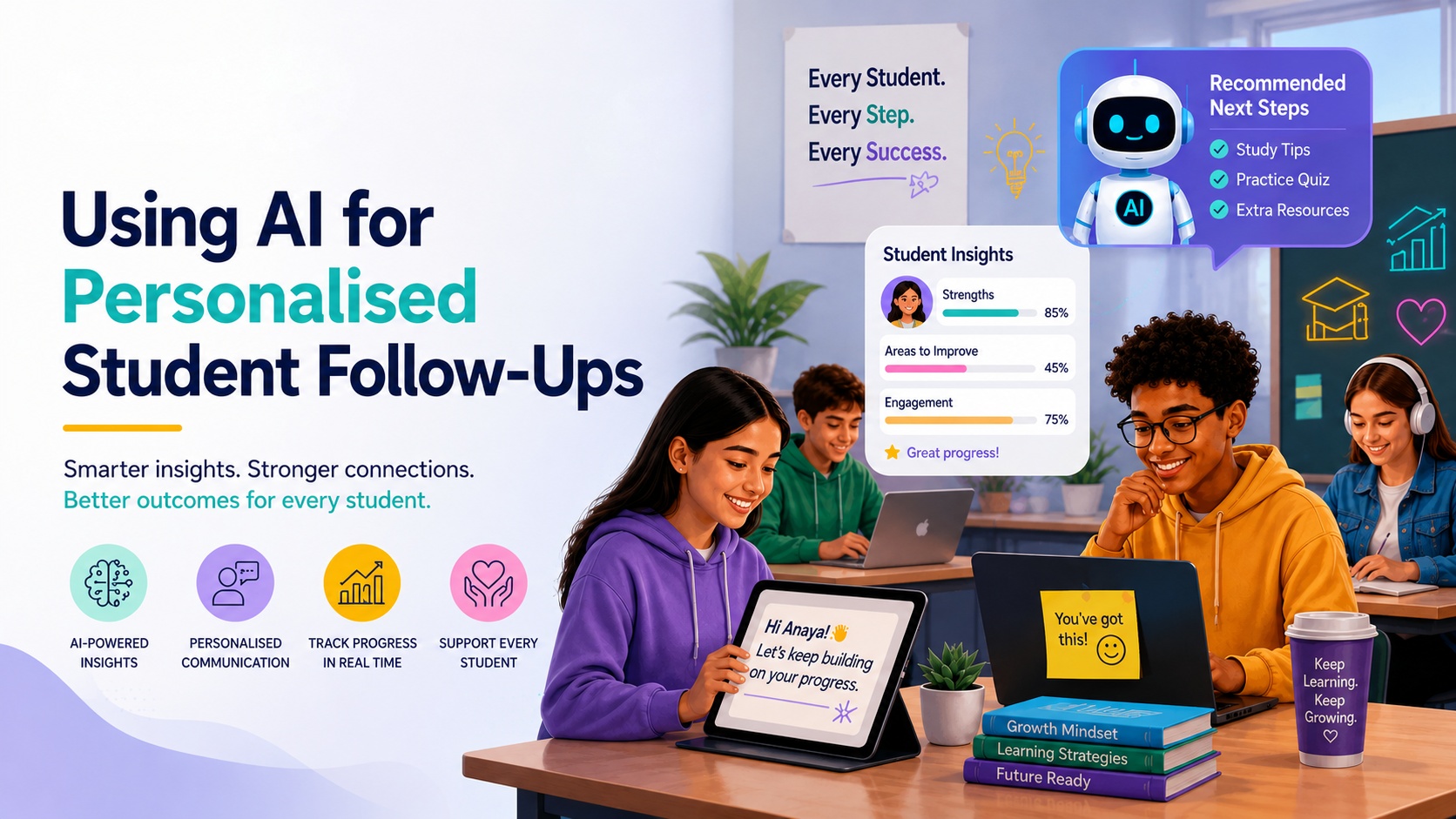
Understanding AI can significantly enhance the way educational institutions manage student follow-ups. By leveraging AI-driven tools, schools can create a more personalized experience for each student, leading to improved retention and engagement rates.
- Data Analysis: AI systems can analyze vast amounts of student data, identifying patterns that indicate when a student might need additional support. For example, if a student consistently performs poorly on quizzes, the system can automatically suggest follow-up resources or interventions.
- Tailored Communication: AI can help in crafting personalized messages based on individual student profiles. For instance, a student who excels in math but struggles in English may receive targeted tips and resources for improving their language skills.
- Automated Reminders: Setting up AI-driven reminders for assignments, deadlines, or upcoming exams can ensure students stay on track. This proactive approach can reduce anxiety and improve overall performance.
Pro Tip: Integrate chatbots into your system to provide 24/7 support. According to a 2024 survey by Statista, institutions using chatbots reported a 30% increase in student engagement.
By embracing these AI capabilities, educators can foster a more supportive and responsive learning environment.
Benefits of AI in Student Follow-Up Automation
AI-driven student follow-up automation offers numerous benefits that can significantly enhance the educational experience for both students and institutions:
- Personalized Communication: AI algorithms can analyze student data to tailor messages based on individual needs and preferences. For instance, a student struggling in math might receive resources and encouragement specifically related to that subject.
- Timely Interventions: Automated follow-ups ensure that students receive timely reminders about important deadlines, such as enrollment or assignment submissions. This proactive approach can improve retention rates.
- Increased Engagement: AI can track engagement metrics, allowing educational institutions to identify at-risk students and engage them effectively. A case study from a community college showed a 25% increase in student participation through targeted follow-ups.
- Resource Efficiency: Automating follow-ups reduces the administrative burden on staff, allowing them to focus on more critical tasks. Institutions can save hours weekly when AI handles routine inquiries.
Pro Tip: Implement AI tools that integrate seamlessly with existing CRM systems to maximize efficiency and data accuracy.
Enhancing Student Engagement with AI
AI technologies can revolutionize student engagement by offering tailored interactions that resonate with individual learning styles and preferences. By analyzing student data, AI can identify trends and personalize follow-ups that motivate and support learners effectively.
- Adaptive Learning Platforms: Tools like DreamBox and Smart Sparrow adapt content based on a student’s progress. For example, if a student struggles with algebra, the platform can provide additional resources and exercises specifically targeting that area.
- Chatbots for Instant Support: Universities are increasingly using AI-driven chatbots to answer common queries. Georgia State University implemented a chatbot that reduced student drop-off rates by 22% by providing immediate answers and reminders.
- Predictive Analytics: By using AI to analyze historical data, educators can predict which students may need extra help. Institutions can then proactively reach out to these students, enhancing their chances of success.
Pro Tip: Regularly review and adjust your AI algorithms based on feedback from students to ensure they remain relevant and effective. Engaging with students about their experiences can lead to invaluable insights that improve the personalization of the follow-ups.
Leveraging Education CRM for Effective Follow-Ups
Utilizing an Education CRM can significantly enhance your follow-up process. By centralizing student data, you can tailor your communications for better engagement. how to make the most of it:
- Segmentation: Group students by interests, application status, or demographics. For example, a university could categorize students interested in STEM fields separately from those leaning toward the arts, allowing for targeted messaging.
- Automated Reminders: Set up automated follow-up tasks for admissions counselors. If a student hasn’t responded within a week, the CRM can alert the team to reach out, ensuring no lead falls through the cracks.
- Personalized Communication: Use insights from the CRM to craft personalized emails. Mention specific programs or events that align with the student’s interests. This can increase the likelihood of engagement. For instance, “Hi Sarah, we noticed you’re interested in environmental science. Don’t miss our upcoming webinar on sustainable practices!”
Pro Tip: Regularly review your CRM analytics to identify trends in student responses. Adapting your follow-up strategies based on these insights can lead to higher conversion rates.
Integrating AI Counselling Software in Education
Integrating AI counselling software in educational environments offers numerous advantages for both students and educators. By leveraging intelligent algorithms, schools can provide personalized support tailored to individual needs.
- Real-Time Feedback: AI tools can analyze student interactions and provide immediate insights to counselors, allowing for timely interventions. For instance, a high school utilizing AI software noticed a 30% decrease in dropout rates after implementing targeted follow-up strategies.
- Data-Driven Insights: AI can identify trends in student behavior, helping educators to recognize at-risk students early. For example, a university reported that their AI system flagged students struggling with mental health issues, leading to increased access to support services.
- Scalability: AI counselling systems can handle a larger number of students without compromising the quality of support. This is particularly beneficial for institutions with limited staff resources.
Pro Tip: Ensure that AI counselling tools comply with data protection regulations. Regularly update privacy policies to maintain student trust while using AI applications.
By integrating AI counselling software, educational institutions can enhance their support systems, fostering a more responsive and effective learning environment.
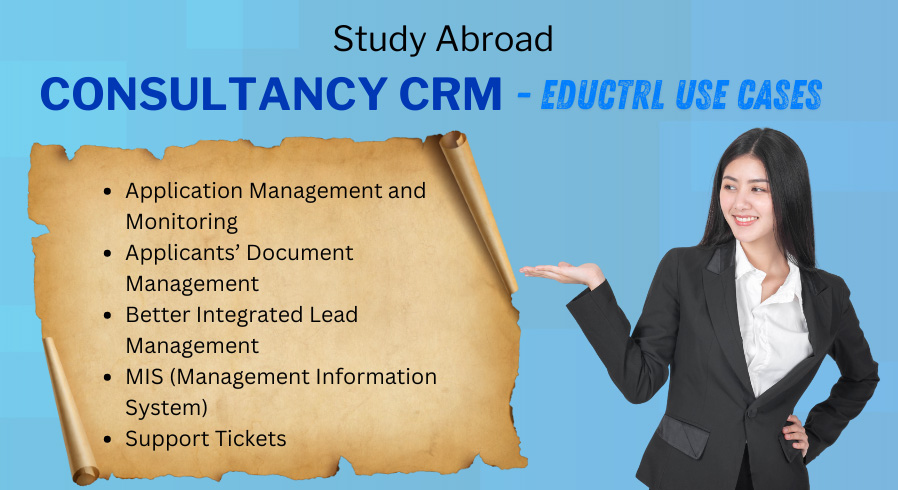
Optimizing Study Abroad CRM for Better Outcomes
Optimizing your CRM for study abroad programs can significantly enhance student engagement and improve follow-up outcomes. Here are some effective strategies to consider:
- Segment Your Audience: Categorize students based on their preferences, country of interest, or stage in the application process. For example, a student interested in Australia might receive tailored information about universities there.
- Automate Follow-Ups: Use CRM tools to schedule automatic follow-ups after initial inquiries. A study by HubSpot found that timely follow-ups can increase engagement rates by up to 30%.
- Personalized Messaging: Customize your communication based on individual profiles. For instance, mentioning a student's specific interests in your emails can make them feel valued and understood.
- Track Interaction History: Keep detailed records of each student's interactions with your team. This allows for more informed and relevant conversations during follow-ups.
- Implement Feedback Loops: After a student has engaged with your content, send a quick survey to gather insights. This data can guide future personalized outreach efforts.
Pro Tip: Regularly review your CRM's performance metrics to identify what's working and where adjustments may be necessary for even better results.
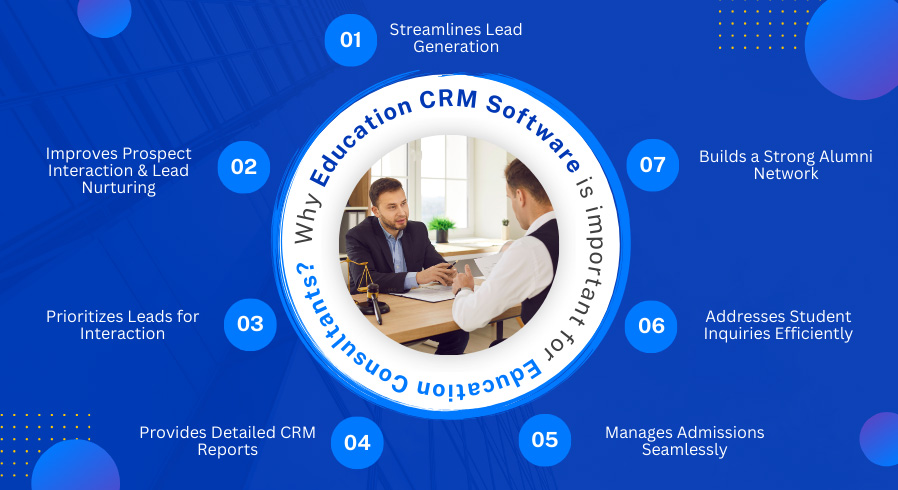
Lead Nurturing Strategies for Education Consultants
Effective lead nurturing strategies for education consultants can significantly enhance student engagement and retention. Implementing AI-driven personalized follow-ups allows consultants to build meaningful relationships with prospective students.
- Segment Your Audience: Use AI tools to categorize leads based on interests, academic goals, and engagement level. For example, a consultant might segment students interested in STEM fields separately from those focused on the arts.
- Automated Email Campaigns: Create tailored email sequences that provide value based on each segment’s preferences. For instance, send articles about innovative STEM careers to the STEM group, while sharing information on art scholarships to the arts group.
- Personalized Messaging: Leverage AI to analyze interaction history and craft personalized messages. A message like, “Hi Sarah, I saw you were interested in our summer coding camp, what past students have achieved,” can resonate more than a generic follow-up.
- Timely Reminders: Set up automated reminders for important deadlines, such as scholarship applications or enrollment dates. This proactive approach can significantly reduce drop-off rates.
Pro Tip: Regularly review and adjust your strategies based on student feedback and engagement metrics to ensure they remain relevant and effective.
Case Studies: Success Stories from Overseas Education Consultants
- A leading overseas education consultancy utilized AI to streamline follow-up communications with prospective students. By implementing a personalized AI chatbot, they improved response times by 60%, which significantly increased student engagement.
- Another successful case involved a consultant who used AI analytics to segment their audience. By categorizing students based on interests and application statuses, they tailored their messaging effectively. This strategy led to a 40% increase in student conversion rates.
- A third example is a study conducted by an education advisory firm, which integrated AI tools to track student interactions. They found that personal follow-ups based on previous conversations led to an impressive 75% increase in scheduled consultations.
Pro Tip: Use AI to analyze student data and create targeted follow-up emails. Personalized messages resonate more and can dramatically improve response rates.
Quick Insight: According to a 2024 survey by Statista, 78% of students prefer personalized communication when selecting education consultants. Leveraging AI helps meet this expectation effectively.
Future Trends in AI and Education
The integration of AI in education is evolving rapidly, promising exciting trends for the future.
- Adaptive Learning Systems: These systems will use AI to continuously assess student performance and adjust learning materials accordingly. For instance, platforms like DreamBox Learning are already tailoring math lessons based on individual student responses.
- Predictive Analytics: By analyzing data, AI can predict which students might need additional support. This proactive approach allows educators to intervene early, potentially improving student outcomes.
- AI-Driven Tutoring: Platforms like Socratic are using AI to offer instant help on homework questions, enabling personalized learning experiences outside the classroom.
- Enhanced Engagement through Gamification: AI can help create personalized gamified experiences that keep students motivated and engaged. For example, Classcraft uses game mechanics to improve classroom behavior and participation.
Pro Tip: Educators should stay updated on AI tools and platforms to leverage their capabilities effectively. Exploring pilot programs within your institution can provide valuable insights into what works best for your students.
By embracing these trends, educational institutions can foster a more tailored learning environment that meets the unique needs of every student.
Conclusion
Incorporating AI into personalized student follow-ups offers a transformative approach to enhancing student engagement and retention. The key takeaways from this article include:
- Efficiency: AI can streamline communication, allowing educators to focus on teaching while automating routine follow-ups.
- Customization: Tailored messages based on individual student data can significantly improve response rates and foster a sense of personal connection.
- Data-Driven Insights: Implementing AI tools can provide valuable insights into student behavior, enabling timely interventions.
For instance, a case study from a major university showed that using AI chatbots for follow-ups resulted in a 30% increase in student satisfaction rates.
Pro Tip: Regularly analyze the performance of your AI tools. Adjust messaging strategies based on student feedback and engagement metrics to continuously improve the effectiveness of your follow-up processes.
As educators, embracing these innovative technologies not only enhances the student experience but also drives institutional success. Start exploring AI solutions today to create a more connected and supportive learning environment.