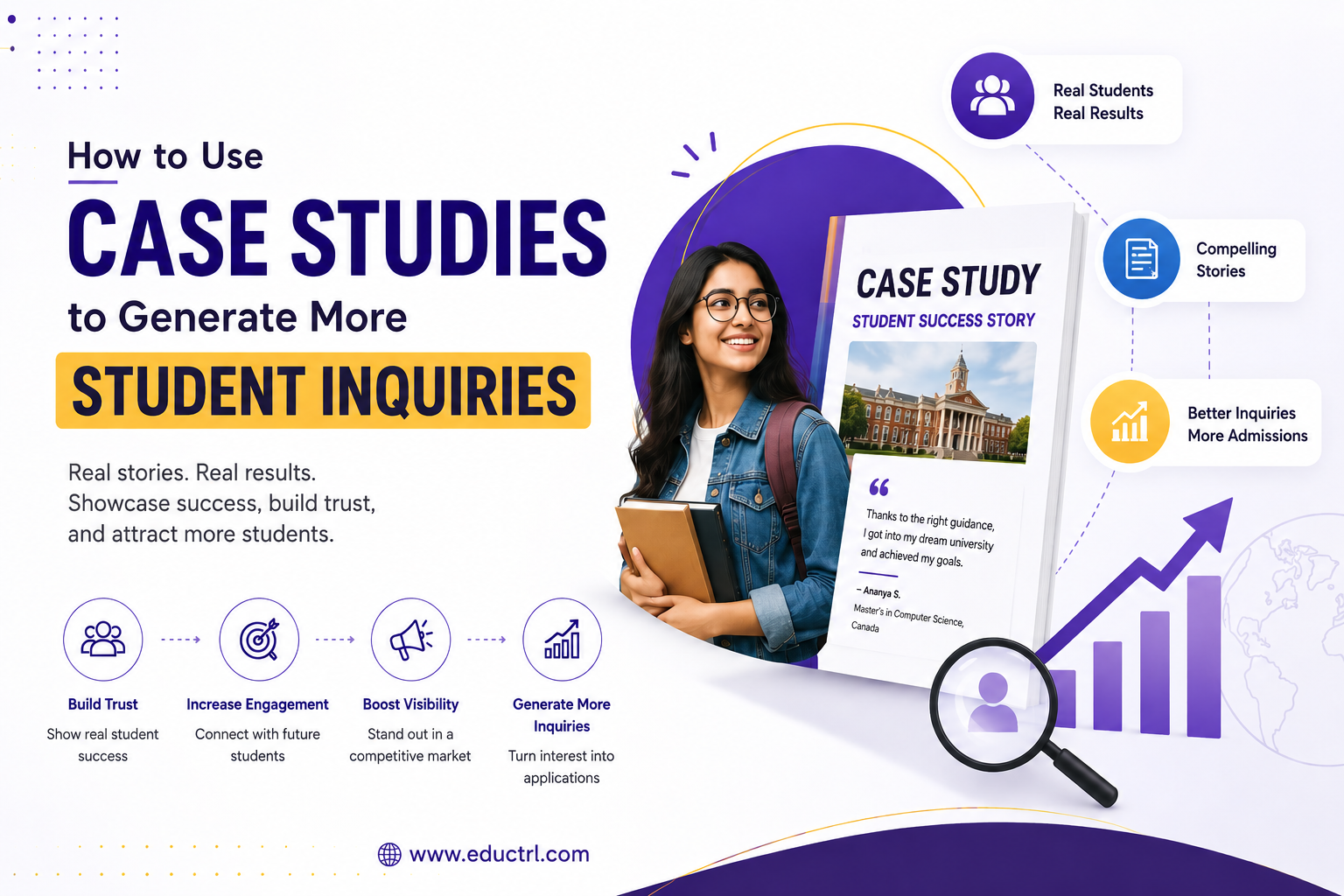
Understanding Case Studies for Student Recruitment
Understanding how to effectively use case studies can significantly enhance student recruitment efforts. Case studies provide real-life examples of student experiences, showcasing the value and impact of your programs.
- Engagement: Sharing stories of successful alumni can resonate with prospective students, making your programs feel more relatable. For instance, highlighting a student who landed a job at a renowned company after graduation can inspire others to envision their future.
- Diverse Perspectives: Include case studies from various demographics to appeal to a broader audience. For example, a case study featuring a non-traditional student may attract adult learners seeking to return to education.
- Data-Driven Insights: Incorporate statistics to back up your stories. For example, “85% of our graduates are employed within six months” adds credibility.
Pro Tip: Consider using multimedia elements like videos or infographics to present case studies. A short video interview with a successful alumnus can enhance engagement and retention of information.
By effectively utilizing case studies, institutions can create compelling narratives that not only attract inquiries but also convert them into enrollments.
What Makes a Compelling Case Study?
A compelling case study draws readers in and demonstrates real-world value. Here’s what to focus on:
- Clear Objectives: Define what success looks like. For instance, if showcasing a tutoring program, clarify improvements in student grades or engagement.
- Relatable Narratives: Tell a story that resonates. For example, share how a struggling student transformed through personalized tutoring, making the content relatable and inspiring.
- Quantifiable Results: Use data to back your claims. Showing a 30% increase in student inquiries after implementing a specific strategy provides tangible proof.
- Visual Elements: Incorporate charts, graphs, or images. A before-and-after infographic can vividly illustrate progress and capture attention.
- Actionable Insights: Include lessons learned. For example, “Implementing regular feedback loops increased student satisfaction by 40%,” encourages readers to apply similar strategies.
Pro Tip: Keep the language simple and avoid jargon. Engaging storytelling combined with concrete results can turn hesitant prospects into enthusiastic inquiries.
Identifying Success Stories in Education
Identifying success stories in education can significantly enhance your case studies and draw more student inquiries. Focus on real achievements from your institution, as these narratives resonate deeply with potential students.
- Student Testimonials: Share stories from alumni who have successfully landed jobs or advanced in their studies. For example, a student who went from a local community college to a top university can inspire others facing similar challenges.
- Program Highlights: Showcase specific programs that have resulted in notable student achievements. For instance, a vocational training program that has a 90% job placement rate can be a powerful draw.
- Awards and Recognitions: Mention any awards your institution or specific programs have received. This not only builds credibility but also illustrates your commitment to quality education.
- Community Impact: Highlight how your institution has positively affected the community. A case study about a service-learning project that improved local literacy rates can demonstrate both social responsibility and educational effectiveness.
Pro Tip: Use visuals, such as infographics or videos, to complement these success stories. Engaging multimedia can enhance the emotional connection and encourage inquiries.
Structuring Your Case Study for Maximum Impact
To create a compelling case study, start with a clear structure that engages your audience and highlights your institution's strengths.
- Introduction: Briefly introduce the subject of the case study. Explain the challenge your students faced and provide context. For instance, “In 2023, the XYZ School’s innovative approach helped a struggling student improve their math skills by 50% within one semester.”
- The Challenge: Outline the specific problems or barriers encountered. Use concise bullet points for clarity:
- Lack of motivation
- Difficulty in grasping concepts
- Limited access to resources
- The Solution: Detail the strategies implemented. This could include unique teaching methods, mentorship programs, or resource availability. For example, “The introduction of personalized learning plans tailored to each student’s needs proved transformative.”
- Results: Present quantifiable outcomes such as improved grades, student satisfaction rates, or increased enrollment. Use data to support your claims, e.g., “According to the student feedback survey, 90% reported increased confidence in their abilities.”
Pro Tip: Incorporate visuals like charts or testimonials to enhance impact. A quote from the student or teacher involved can add authenticity and relatability to your case study.
Integrating Case Studies into Student Recruitment Strategies
Integrating case studies into your student recruitment strategies can significantly enhance engagement and conversion rates. By showcasing real-world examples of student success, you can build trust and credibility with prospective students.
- Highlight Success Stories: Select a few standout alumni who have achieved remarkable outcomes. For instance, a former student who landed a job at a top tech company after completing an internship can illustrate the value of your program.
- Create Diverse Case Studies: Include a variety of perspectives, such as different fields of study and student backgrounds. This diversity ensures that potential students see themselves represented.
- Utilize Various Formats: Present your case studies in multiple formats, including videos, infographics, and written testimonials. For example, a short video interview with a successful graduate can be highly engaging.
- Incorporate into Campaigns: Use case studies in your email marketing, social media posts, and on your website. This visibility reinforces your message and encourages inquiries.
Pro Tip: Regularly update your case studies to reflect the latest successes and trends in your programs, keeping content fresh and relevant.
Leveraging Digital Platforms for Case Study Distribution
Leveraging digital platforms is crucial for maximizing the reach and impact of your case studies. Utilizing the right channels can significantly enhance visibility and engagement.
- Social Media: Share snippets of case studies on platforms like LinkedIn, Facebook, and Instagram. Use eye-catching visuals and include a link to the full study. For instance, a brief video highlighting key outcomes can drive traffic.
- Email Campaigns: Incorporate case studies into your newsletters. Segment your audience to tailor content, ensuring it resonates with specific interests. Pro Tip: Use compelling subject lines like “Success Story: How Our Program Changed Lives.”
- Webinars and Online Workshops: Host sessions that showcase your case studies in real-time. Engaging formats encourage interaction and can strengthen credibility. For example, discussing a recent graduate’s journey can inspire prospective students.
- SEO Optimization: Optimize your case study pages for search engines by using relevant keywords and meta descriptions. This helps attract organic traffic.
- Partner Platforms: Collaborate with educational blogs or websites to guest post case studies. This not only expands your audience but also builds authority.
By strategically sharing case studies across these platforms, you can effectively attract more inquiries from potential students.
Utilizing Social Proof to Generate Student Inquiries
Leveraging social proof is a powerful strategy to encourage student inquiries. When prospective students see evidence of others' success, it can significantly boost their confidence in enrolling.
- Testimonials: Share quotes from current students or alumni about their positive experiences. For example, a recent graduate might say, “The personalized attention I received helped me land my dream job within six months of graduation.”
- Success Stories: Highlight specific case studies of students who achieved notable success. For instance, showcase a student who went from struggling academically to becoming a leader in their field due to your program.
- Social Media Mentions: Encourage students to share their experiences on platforms like Instagram or Twitter. You can create a unique hashtag to track and display these stories, fostering a sense of community.
- Third-party Reviews: Utilize platforms like Google Reviews or Yelp to showcase unbiased feedback. A high rating can sway potential students who are on the fence.
Pro Tip: Regularly update your social proof content to keep it fresh and relevant. Consider creating a dedicated page on your website to house testimonials and case studies, making it easy for prospective students to find and connect with real stories.
Crafting Engaging Narratives for Education Marketing Case Studies
Crafting engaging narratives in case studies is essential for showcasing the impact of your educational programs. This can turn potential inquiries into confirmed enrollments.
- Use Storytelling Techniques: Start with a relatable student persona. Describe their initial challenges and how your institution provided solutions. This resonates emotionally and makes the case study more compelling.
- Highlight Transformation: Focus on the before-and-after journey. For instance, a student struggling with career direction may find clarity and purpose through your guidance, leading to a successful job placement.
Pro Tip: Incorporate direct quotes from students. A statement like “I never thought I’d land my dream job, but this program changed everything for me,” adds authenticity and helps build trust.
- Include Data and Metrics: Quantifiable outcomes enhance credibility. For example, “90% of our graduates found employment within six months” makes a strong impact.
By blending emotional narratives with solid evidence, you can create case studies that not only inform but also inspire action, ultimately generating more inquiries.
Highlighting Unique Selling Points to Increase Student Inquiries
Highlighting unique selling points (USPs) effectively can significantly boost student inquiries. When promoting your case studies, focus on what sets your institution apart from the competition.
- Student Success: Showcase real-life examples of alumni who have successfully transitioned into their careers. For instance, a case study highlighting a graduate who secured a job at a top tech company can resonate with prospective students.
- Innovative Programs: Emphasize specialized programs or unique course offerings. If your institution provides a cutting-edge curriculum in artificial intelligence, mention how students gain hands-on experience that leads to job placements.
- Community Engagement: Highlight partnerships with local businesses or organizations that benefit students. For example, featuring a case study where students interned at a local startup can illustrate practical learning experiences.
- Diversity and Inclusion: Demonstrating a commitment to diversity can attract a broader audience. Share stories of diverse student groups and how your campus fosters an inclusive environment.
Pro Tip: Use visuals like infographics or videos in your case studies to make the USPs more engaging. These elements can enhance comprehension and retention, driving more inquiries.
Measuring the Impact of Case Studies in Student Recruitment Marketing
Evaluating the effectiveness of case studies in student recruitment marketing can significantly enhance your strategies. Focus on key performance indicators (KPIs) to measure impact.
- Increased Inquiries: Track the number of inquiries received after publishing a case study. For example, a university that showcased a successful alumni career transition saw a 30% increase in inquiries within a month.
- Engagement Metrics: Monitor engagement on your website and social media platforms. Look for metrics like time spent on the case study page and shares. An effective case study can lead to a 50% increase in social shares.
- Conversion Rates: Assess how many inquiries convert into applications. For instance, an institution that highlighted diverse student experiences saw a 15% improvement in application rates.
- Feedback Collection: Gather qualitative feedback from prospective students. Short surveys can reveal what aspects of the case studies resonated most.
Pro Tip: Regularly update your case studies to reflect recent successes and trends. This keeps your content relevant and maximizes its recruitment potential.
Conclusion
Incorporating case studies into your marketing strategy can significantly enhance student inquiries. By showcasing real-life success stories, you create relatable content that resonates with prospective students and their families.
Key Takeaways:
- Highlight Success: Use case studies to illustrate how your institution has positively impacted students. For instance, share testimonials from recent graduates who secured jobs in their fields after attending your program.
- Visual Appeal: Incorporate visuals like infographics or videos to make your case studies more engaging. A short video interview with a successful alumnus can be more compelling than text alone.
- Targeted Distribution: Share your case studies on social media platforms, newsletters, and your website to reach a wider audience. Tailor the content for each platform for maximum impact.
Pro Tips:
- Create a dedicated case study section on your website for easy navigation.
- Regularly update your case studies to reflect the latest achievements and trends in education.
By leveraging these strategies, you can effectively engage potential students and convert inquiries into enrollments. Start your case study campaign today and watch your student inquiries grow!