The Evolution of Study Abroad Consulting
Previously, study abroad consulting mainly relied on manual processes. Consultants kept physical records of students, communicated through phone calls and emails, and managed applications manually. This often led to:
* Delayed responses
* Problems with data management
* Limited personalization
* Mistakes in documentation
* Challenges in tracking student progress
As digital technology has grown, study abroad consultancies have moved towards automation, cloud-based systems, and smarter platforms that greatly improve efficiency and accuracy.
The Rise of Customer Relationship Management (CRM) Systems
One of the most important technological advancements in study abroad consulting is the use of CRM systems.
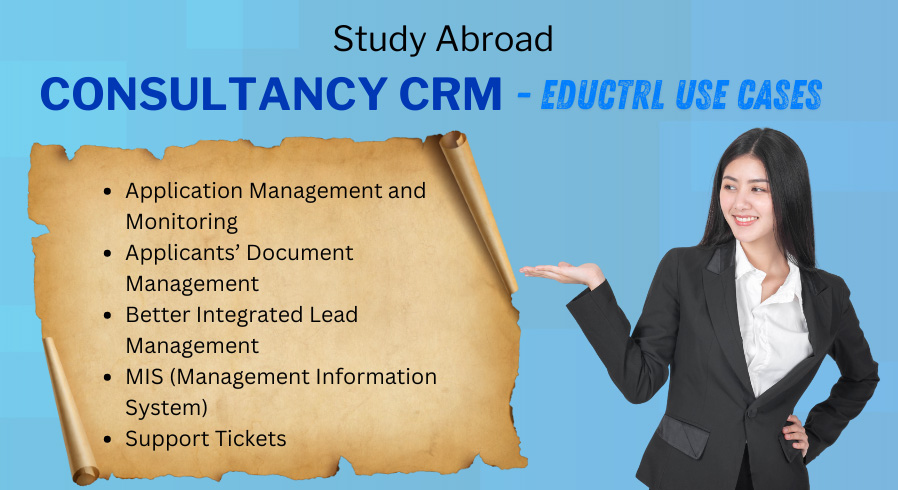
A CRM system enables consultants to manage student information, communication records, application statuses, and follow-up activities from a central platform.
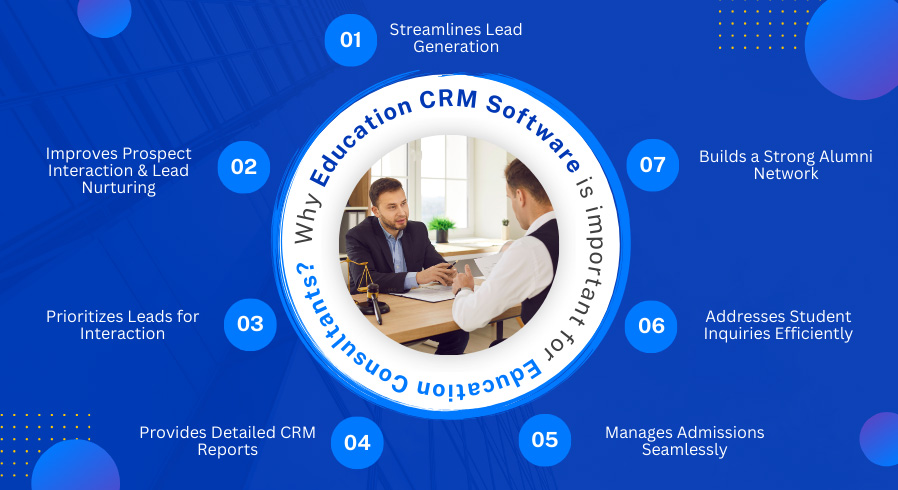
Benefits of CRM in Study Abroad Consulting
Centralized Student Data
All student information is kept in one database, including:
* Academic records
* Test scores
* Preferred destinations
* University choices
* Visa documentation
* Communication history
This removes the need for multiple spreadsheets and paper files. Using esignsure for paper reduction makes it even easier to sign, track and save every document all in one place.
Improved Follow-Up Management
Many students drop out of the admission process due to poor follow-up. CRM systems automate reminders and notifications, ensuring that consultants maintain steady communication.
Enhanced Team Collaboration
Different departments, such as counseling, admissions, visa assistance, and finance, can access the same student profile. This improves teamwork and reduces overlapping work.
Better Conversion Rates
By tracking student behavior and engagement, consultants can spot promising leads and focus their efforts more effectively.
Artificial Intelligence (AI) in Student Counseling
Artificial intelligence is becoming a major factor in study abroad consulting.
AI tools can analyze student profiles and offer personalized recommendations based on:
* Academic performance
* Career goals
* Budget constraints
* Preferred countries
* Language skills
Personalized University Recommendations
AI algorithms compare student profiles with university admission requirements and suggest suitable institutions.
This helps students discover options they might not have considered.
Example
A student interested in Computer Science with moderate academic scores and a tight budget may receive suggestions for universities in:
* Germany
* Ireland
* Poland
* Malaysia
rather than just highly competitive locations.
AI-Powered Chatbots
More study abroad consultancies are using AI chatbots on their websites.
These chatbots can:
* Answer common questions instantly
* Provide information about universities
* Explain visa requirements
* Schedule counseling appointments
* Collect lead information
Benefits include:
* Availability 24/7
* Faster response times
* Less workload for counselors
* Increased student engagement
Virtual Counseling and Online Consultations
The COVID-19 pandemic sped up the adoption of virtual counseling services.
Now, students can connect with consultants from anywhere through:
* Video calls
* Webinars
* Virtual fairs
* Online workshops
Advantages of Virtual Counseling
Greater Accessibility
Students from remote areas can receive expert advice without traveling.
Time Efficiency
Both consultants and students save time with online meetings.
Wider Reach
Consultancies can assist students in different cities, states, and countries.
Cost Reduction
Lower operational costs benefit both consultancies and students.
Digital Document Management
Applying to international universities requires many documents, including:
* Academic transcripts
* Recommendation letters
* Statement of Purpose (SOP)
* Passport copies
* Financial statements
* Visa documents
Technology has made document management easier with cloud-based systems.
Benefits
Secure Storage
Documents are stored safely and can be accessed anytime.
Easy Sharing
Students can upload documents directly through online portals.
Reduced Errors
Automated checklists ensure all required files are submitted.
Faster Processing
Applications can be reviewed and sent to universities more quickly.
Data Analytics for Better Decision-Making
Modern consultancies use data analytics to gain useful insights.
By examining historical student data, consultants can identify:
* Popular destinations
* Admission success rates
* Visa approval trends
* Scholarship opportunities
* Seasonal application patterns
As study abroad consulting becomes increasingly digital, secure document workflows can also help agencies reduce manual paperwork and simplify how students and teams manage important documents. Click here
Predictive Analytics
Predictive analytics helps consultants estimate the likelihood of:
* University admission
* Scholarship success
* Visa approval
This leads to more realistic counseling and better student outcomes.
Automation of Administrative Tasks
Technology has automated many repetitive tasks that previously took up a lot of time.
Examples include:
* Appointment scheduling
* Email marketing
* Follow-up reminders
* Application tracking
* Fee collection
* Status updates
Benefits of Automation
Increased Productivity
Staff can spend less time on administrative tasks and more time counseling students.
Reduced Human Error
Automation lowers mistakes from manual data entry.
Improved Student Experience
Students receive timely updates throughout their journey.
Mobile Applications for Student Engagement
Many study abroad consultancies now provide dedicated mobile applications.
These apps allow students to:
* Track application status
* Upload documents
* Receive notifications
* Chat with counselors
* Access university information
* Monitor visa progress
Impact on Student Satisfaction
Mobile access increases convenience and keeps students engaged during the admission process.
Students can stay informed without repeatedly contacting consultants.
Virtual Reality (VR) and Augmented Reality (AR)
Emerging technologies like Virtual Reality and Augmented Reality are creating engaging experiences for students.
Virtual Campus Tours
Students can explore university campuses from home.
VR allows them to experience:
* Classrooms
* Libraries
* Student residences
* Sports facilities
* Campus atmosphere
This helps students make better choices.
Enhanced University Marketing
Universities can showcase their facilities to international students in a more engaging way.
Social Media and Digital Marketing
Technology has changed how study abroad consultancies attract and engage students.
Popular platforms include:
* Instagram
* YouTube
* LinkedIn
* Facebook
* WhatsApp
Benefits
Wider Audience Reach
Consultancies can connect with students from various regions and countries.
Targeted Advertising
Digital marketing platforms allow consultancies to target specific student groups.
Educational Content
Consultants can share:
* Admission tips
* Visa guidance
* Scholarship opportunities
* Student success stories
This builds trust and credibility.
Enhanced Communication Through Omnichannel Platforms
Students expect quick and easy communication.
Modern consultancies use multiple communication methods, including:
* Email
* SMS
* WhatsApp
* Live Chat
* Mobile Apps
* Video Calls
A mixed approach ensures students get consistent support, no matter their preferred platform.
Cybersecurity and Data Protection
As consultancies gather sensitive student information, cybersecurity has become more crucial.
Technology solutions now provide:
* Data encryption
* Multi-factor authentication
* Secure cloud storage
* Access control systems
Protecting student data is vital for maintaining trust and meeting privacy regulations.
Benefits for Educational Institutions
Technology-driven consulting is beneficial for universities as well.
Institutions gain access to:
* Better-qualified applicants
* Faster application processing
* Improved communication
* Higher enrollment rates
* Data-driven recruitment strategies
Universities can work more effectively with technology-enabled consultants to reach international students.
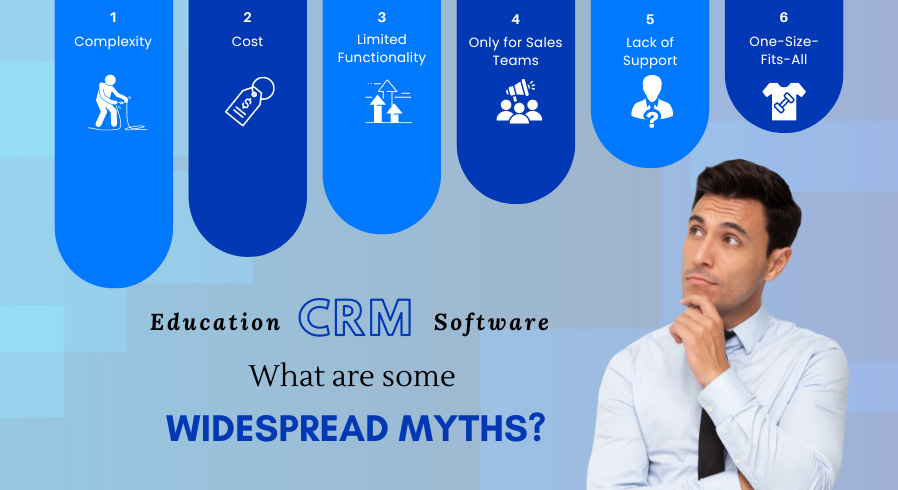
Challenges of Technology Adoption
Despite its advantages, technology adoption comes with challenges.
Initial Investment Costs
Implementing CRM systems and advanced software requires financial investment.
Staff Training Requirements
Employees need proper training to use new technologies effectively.
Data Privacy Concerns
Managing large amounts of student data increases security responsibilities.
Over-Reliance on Automation
While automation increases efficiency, human expertise is still crucial for personalized counseling and emotional support.
Future Trends in Study Abroad Consulting
Several emerging technologies will likely continue transforming the industry.
AI-Powered Career Guidance
Advanced AI systems will provide detailed career path recommendations based on student interests and labor market trends.
Blockchain-Based Academic Verification
Blockchain technology may simplify the verification of transcripts and certificates.
Intelligent Admission Matching
Future platforms will offer precise admission predictions using machine learning models.
Voice-Based Student Support
Voice assistants could guide students through application and visa processes.
Hyper-Personalized Counseling
Technology will allow consultants to create tailored education plans for each student.