Understanding Personalised Communication for Study Abroad
Personalised communication involves tailoring messages, recommendations and interactions based on a student's individual needs, interests and stage in the study abroad journey. Instead of sending the same information to every prospective student, institutions can provide communication that is relevant to their goals.
- Understanding Individual Needs: Every student has different academic goals, financial situations and career aspirations. A student pursuing a master's degree may prioritise research opportunities, while another may focus on cultural experiences or career prospects.
- Segmenting Your Audience: Students can be grouped based on factors such as:
- Academic interests
- Preferred study destinations
- Course preferences
- Application stage
- Financial considerations
- Using Student Data Effectively: Information from previous interactions can help counsellors provide more relevant follow-ups, reminders and recommendations.
Example: A student interested in environmental science can receive information about relevant universities, scholarships and programs rather than generic information about every available course.
The Importance of Personalisation in Student Engagement
Personalisation can significantly improve how students interact with education institutions and study abroad consultants. When communication reflects a student's interests and concerns, it becomes more relevant and valuable.
- Addresses Individual Concerns: Students may have questions about scholarships, visas, accommodation or career opportunities. Personalised communication allows these concerns to be addressed more effectively.
- Improves Student Experience: Relevant communication makes students feel understood and supported throughout their journey.
- Encourages Meaningful Engagement: Students are more likely to respond when the information they receive is relevant to their goals and interests.
Crafting Effective Study Abroad Counselling Strategies
Effective study abroad counselling begins with understanding each student's goals and requirements. Personalisation allows counsellors to provide guidance that is relevant rather than overwhelming students with unnecessary information.
- Active Listening: Ask open-ended questions to understand the student's academic interests, career goals and preferred destinations.
- Tailored Recommendations: Recommend universities, courses and destinations based on the student's profile and preferences.
- Cultural Awareness: Recognise that students from different backgrounds may have different expectations and concerns.
- Regular Follow-Ups: Timely follow-ups can help students stay informed and supported throughout the application process.
Pro Tip: Use a student CRM to record interactions and preferences so future communication can be more relevant and personalised.
Using Student Communication Automation Tools
Automation tools can help education institutions maintain consistent communication while still delivering personalised experiences. When used effectively, automation reduces repetitive work and ensures students receive important information at the right time.
- Automated Email Campaigns: Send targeted emails based on student interests, preferred destinations or application stages.
- Chatbots: Provide quick responses to common questions and guide students toward relevant information.
- Automated Reminders: Remind students about application deadlines, required documents, counselling sessions and upcoming events.
- SMS and Messaging: Use appropriate messaging channels for important updates and timely communication.
Automation should support personalised communication rather than replace human interaction. Students should still have access to counsellors when they require detailed guidance or support.
Enhancing International Student Recruitment Efforts
Personalised communication can also strengthen international student recruitment by helping institutions create more relevant and engaging interactions with prospective students.
- Segment Prospective Students: Group students according to factors such as location, academic interests and stage in the decision-making process.
- Provide Relevant Information: Share programs, scholarships and resources that align with each student's interests.
- Use Multiple Communication Channels: Reach students through email, social media, messaging platforms and counselling sessions.
- Share Student Stories: Testimonials and experiences from current or former students can help prospective students better understand the study abroad journey.
Developing Effective Student Follow-Up Strategies
Following up with students after an initial enquiry is essential for maintaining engagement. However, follow-ups should feel helpful and relevant rather than repetitive.
- Personalised Emails: Reference the student's interests, preferred destination or previous conversations.
- Scheduled Check-Ins: Maintain regular communication based on where the student is in their application journey.
- Feedback Requests: Ask students whether the information provided was useful and if they need additional support.
- Relevant Resource Sharing: Share guides, webinars, university information or other resources related to the student's interests.
Pro Tip: A CRM can help counsellors track student interactions and ensure follow-ups are timely and relevant.
Best Practices for Personalised Communication
- Know Your Audience: Understand student interests, academic backgrounds and study abroad goals.
- Use Personalised Messaging: Address students appropriately and make communication relevant to their individual journey.
- Segment Your Audience: Create groups based on interests, destinations or application stages.
- Use Automation Strategically: Automate repetitive communication while maintaining opportunities for personal interaction.
- Collect Feedback: Use surveys and conversations to understand whether your communication is meeting student needs.
- Share Relevant Success Stories: Use real student experiences to provide useful insights and inspiration.
Measuring the Impact of Personalised Communication
Measuring communication performance helps institutions understand what is working and where improvements are needed.
- Engagement: Monitor email opens, clicks, replies and other forms of interaction.
- Conversions: Track actions such as consultation bookings, completed applications or event registrations.
- Student Feedback: Gather feedback to understand how students perceive the communication they receive.
- A/B Testing: Test different subject lines, messages or communication formats to identify what resonates with students.
Regularly reviewing communication performance allows institutions to refine their strategies and improve the student experience over time.
Future Trends in Personalised Communication for Study Abroad
Technology is continuing to transform how education institutions communicate with prospective students. Several trends are expected to play an important role in the future of personalised communication.
- AI-Powered Support: AI tools and chatbots can help provide faster responses and guide students toward relevant information.
- Advanced Audience Segmentation: Data insights can help institutions create more targeted communication campaigns.
- Interactive Experiences: Virtual tours, webinars and interactive content can help students explore universities and destinations remotely.
- Integrated CRM Communication: Centralised student data can help counsellors and institutions maintain consistent communication across multiple channels.
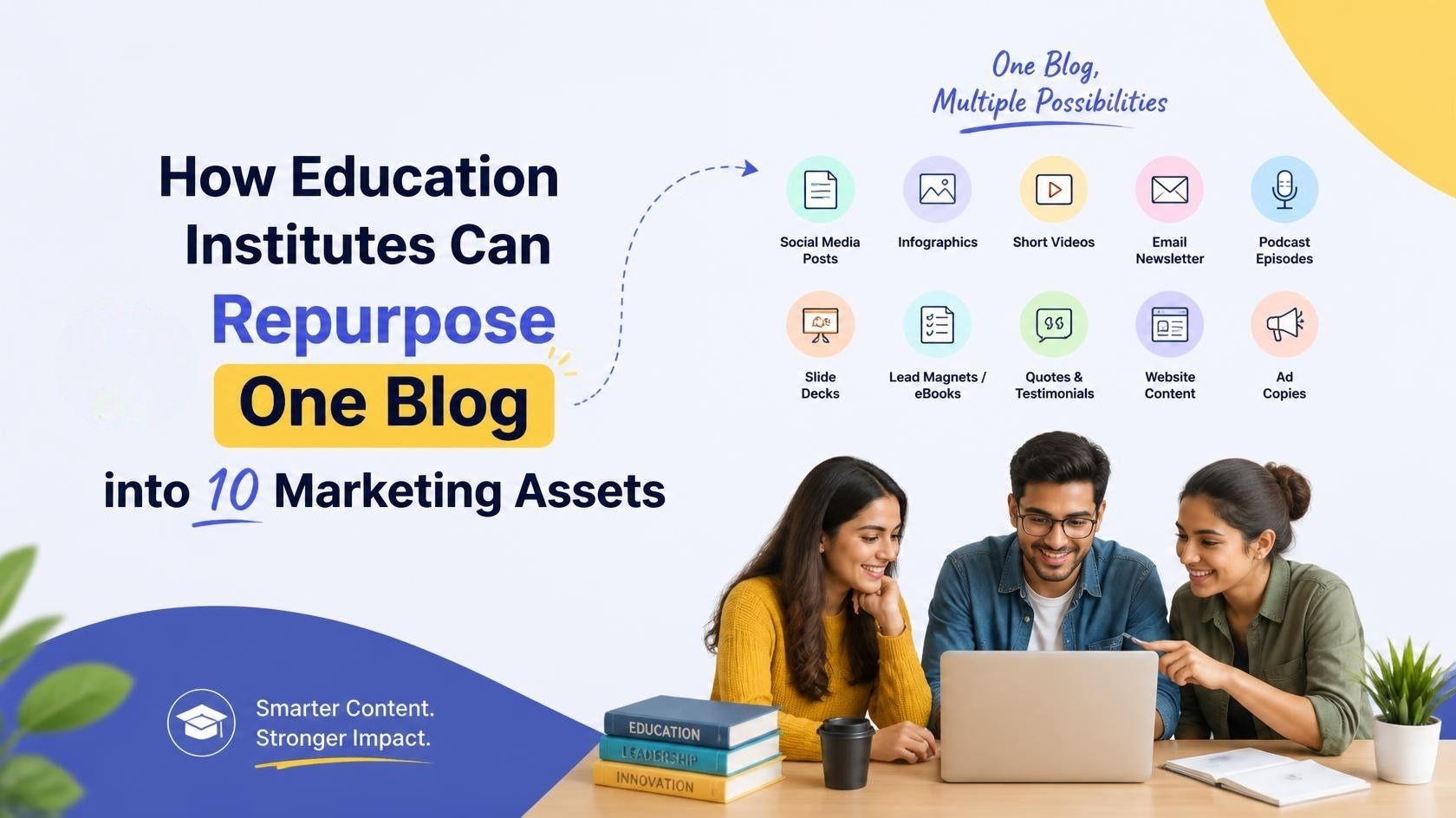
Once these content assets are created, education institutes can further streamline how they manage student interactions by connecting their marketing efforts with a central CRM system.
Conclusion
Personalised communication plays an important role in creating stronger relationships with prospective study abroad students. By understanding individual needs, using relevant data and delivering timely communication, education institutions and counsellors can provide a more supportive and engaging experience.
Key takeaways include:
- Understand Your Students: Learn about their academic goals, concerns and preferred destinations.
- Use Relevant Communication Channels: Connect with students through the channels they are most comfortable using.
- Provide Tailored Resources: Share information that is relevant to their individual study abroad journey.
- Follow Up Consistently: Maintain communication without overwhelming students.
- Use Technology Wisely: Combine CRM systems and automation tools with meaningful human interaction.
By adopting personalised communication strategies, education institutions can create stronger student relationships, improve engagement and support prospective students throughout every stage of their study abroad journey.