Understanding CRM for Multi-Branch Education Businesses
Understanding CRM for multi-branch education businesses is crucial for streamlining operations and enhancing student engagement. A robust CRM system can centralize data across various locations, ensuring that all branches have access to the same information.
- Data Centralization: A single platform allows for real-time updates and easy sharing of student records, course offerings, and marketing efforts. For example, if a student transfers from one branch to another, their information can be updated instantly.
- Personalized Communication: CRMs can segment students based on their location, interests, or enrollment status, allowing for targeted communication. This leads to more relevant promotions and better overall student experiences.
- Performance Tracking: Educational institutions can utilize CRM analytics to compare the performance of different branches. For instance, if one location has higher enrollment numbers, best practices can be identified and shared across all branches.
Pro Tip: Regularly train staff on CRM functionalities to maximize its benefits. An intuitive understanding of the system can lead to increased efficiency and enhanced student satisfaction.
What is Multi-Branch Education CRM?
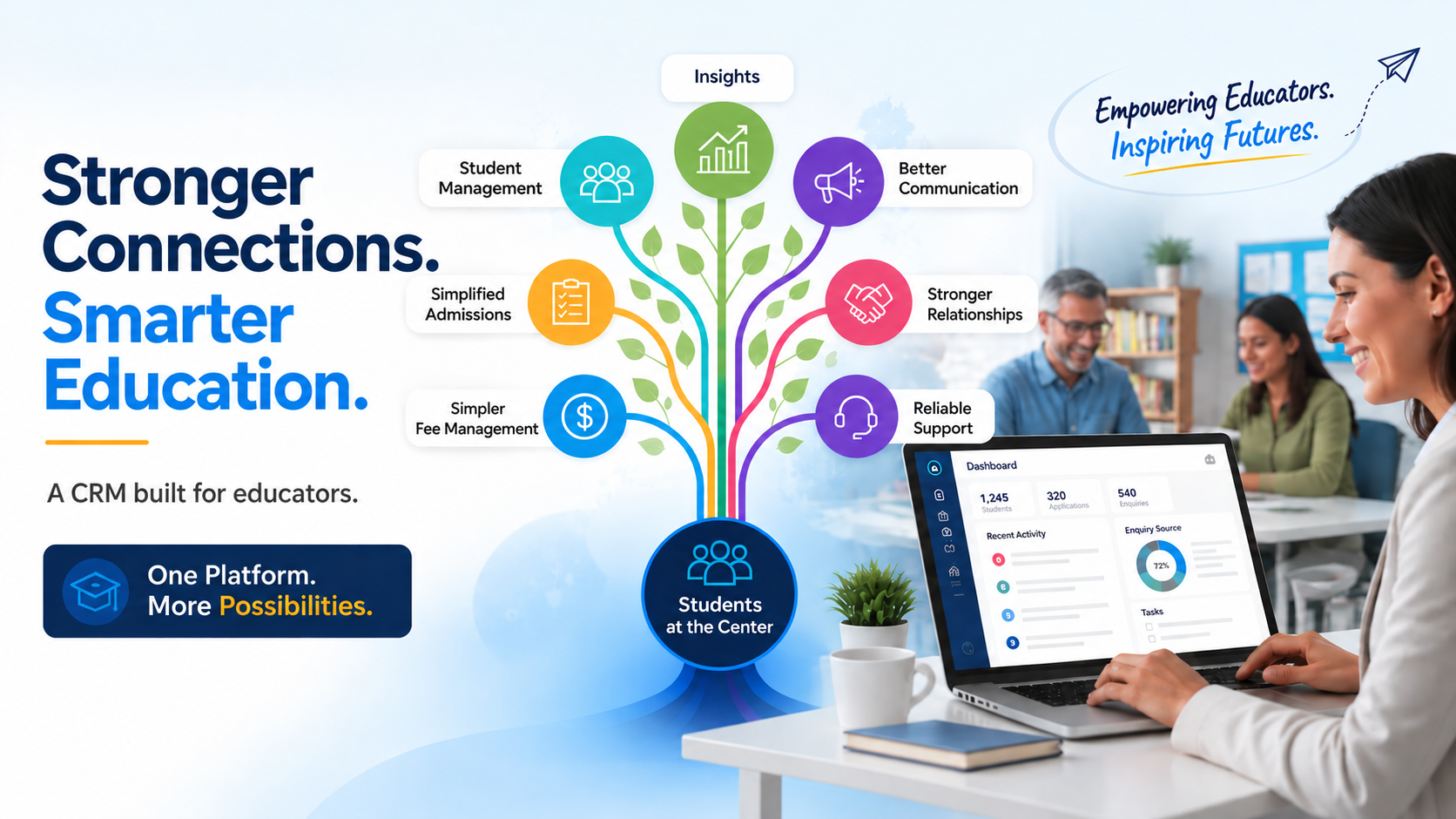
Multi-Branch Education CRM is a specialized software solution designed to manage the unique needs of educational institutions with multiple locations. It centralizes student data, improves communication, and streamlines administrative tasks across all branches.
Key features include:
- Centralized Database: All student and staff information is stored in one place, enabling easy access to critical data.
- Automated Communication: Facilitates timely interaction with students and parents via emails, SMS, and notifications, ensuring everyone stays informed.
- Performance Tracking: Enables educators to monitor student progress across branches, identifying trends and areas for improvement.
For instance, a multi-campus university can use CRM to track enrollment numbers and student performance across each location. This insight allows for targeted support and resource allocation where it's needed most.
Pro Tip: Leverage CRM analytics tools to gain insights into enrollment trends, helping your institution make data-driven decisions for future growth. According to a 2023 report by EdTech Magazine, institutions utilizing CRM systems reported up to a 30% increase in student retention rates.
Key Features of Education CRM Software
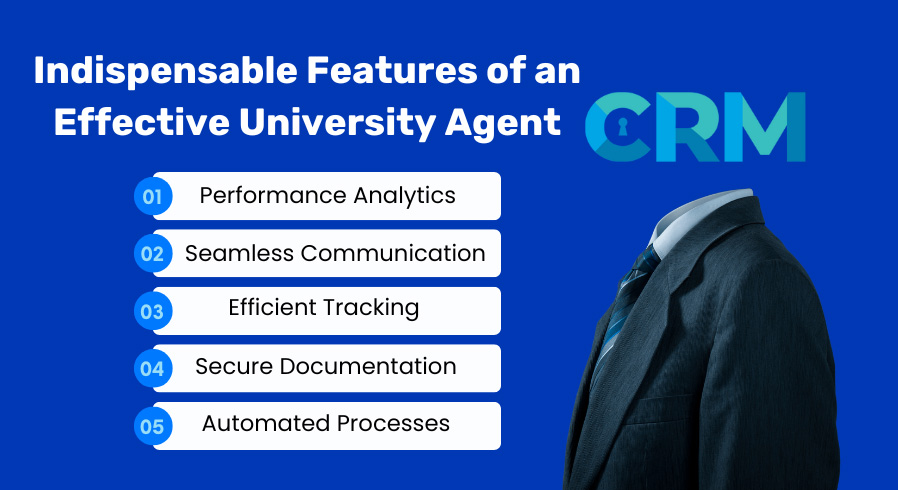
- Centralized Database: Education CRM software provides a unified platform where all student information, including enrollment data, academic records, and communication history, is stored. This ensures that all branches have access to up-to-date information, reducing inconsistencies.
- Automated Communication: With features like email campaigns and automated reminders, CRM systems facilitate efficient communication between institutions and students. For example, a multi-branch college can send out notifications about events or deadlines to all branches simultaneously.
- Reporting and Analytics: Education CRM software offers robust reporting tools that help institutions analyze student performance and engagement metrics. Schools can track trends, such as enrollment spikes or drop-off rates, allowing for data-driven decision-making.
- Personalized Learning Experiences: By utilizing data insights, institutions can tailor learning paths for individual students. For instance, if a student struggles in a particular subject, targeted resources can be dispatched to assist them.
- Integration Capabilities: Many CRM systems integrate seamlessly with other educational tools like Learning Management Systems (LMS) and financial software, streamlining operations across all branches.
Pro Tip: Regularly update your CRM to leverage the latest features and ensure peak performance, enhancing overall operational efficiency.
Benefits of CRM for Education Institutes
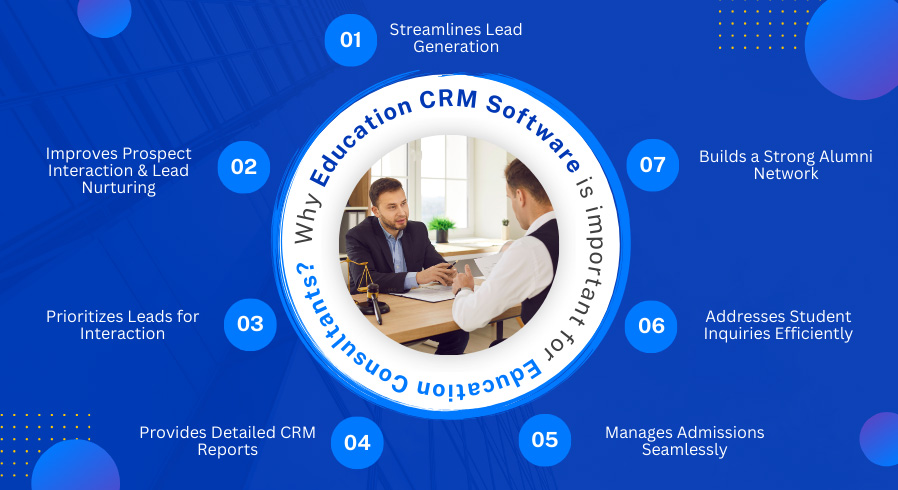
- Enhanced Communication: CRM systems streamline communication between faculty, students, and parents. For example, automated emails can remind students of registration deadlines or upcoming events, ensuring everyone stays informed.
- Data-Driven Insights: By analyzing student data, educational institutes can identify trends and areas for improvement. For instance, if a large number of students are struggling in a particular subject, resources can be allocated to enhance tutoring in that area.
- Personalized Learning Experience: CRMs allow for tailored communication and course offerings based on individual student needs. A case study from a multi-branch institution in California found that personalized outreach increased enrollment by 25%.
- Improved Enrollment Management: A CRM can simplify the admissions process, tracking inquiries and applications efficiently. Pro tip: Implement a lead scoring system to prioritize follow-ups with potential students.
- Centralized Information: With all student data in one place, educators can easily access critical information, from academic performance to attendance records. This centralization enhances collaboration among staff across multiple branches.
- Enhanced Alumni Relations: CRM systems can help maintain connections with alumni, facilitating networking and future fundraising efforts. Regular updates about initiatives can keep alumni engaged and supportive.
Streamlined Communication Across Branches
Effective communication is crucial for multi-branch education businesses, and CRM software plays a pivotal role in streamlining these interactions. By centralizing communication, CRMs ensure that all branches have access to the same information, reducing miscommunication and improving collaboration.
- Real-time updates: With CRM tools, any changes in schedules, student information, or administrative tasks are updated instantly across all branches. For instance, when a student enrolls, all branches can see this update immediately, allowing for seamless integration into programs.
- Centralized messaging: CRM platforms often include integrated messaging systems where staff can communicate directly without relying on emails or external apps. This ensures that important messages do not get lost.
- Case Study: A multi-branch tutoring center implemented a CRM and reported a 30% reduction in response times to student inquiries. Branch managers could easily access and respond to questions, enhancing the overall customer experience.
Pro Tip: Regularly train staff on using the communication features of your CRM to maximize its effectiveness. This way, everyone can leverage the tools available for better inter-branch communication.
Centralized Data Management
A centralized data management system empowers multi-branch education businesses by consolidating information across all locations. This ensures that every branch has access to the same up-to-date data, leading to informed decision-making.
- Streamlined Access: Instructors and administrators can easily retrieve student information, course materials, and performance analytics from one centralized platform. For instance, a teacher at one branch can view a student's progress from another location, fostering consistent communication.
- Improved Reporting: With all data in one place, generating reports becomes efficient. Schools can analyze performance trends across branches, allowing for quick identification of areas needing improvement.
- Enhanced Collaboration: Centralized data fosters collaboration among branches. For example, if one branch develops a successful teaching strategy, it can be easily shared and implemented across all locations.
Pro Tip: Regularly train staff on using the centralized system to ensure everyone is comfortable navigating the platform. This will maximize the benefits of centralized data management.
Enhancing Student and Parent Engagement
Engaging students and parents is essential for the success of multi-branch educational institutions. CRM software plays a pivotal role by centralizing communication and streamlining interactions.
- Personalized Communication: CRMs allow educators to segment audiences, ensuring that messages are tailored. For instance, reminders for parent-teacher meetings can be sent to specific classes, enhancing attendance rates.
- Feedback Loops: Integrating feedback tools within the CRM fosters open lines of communication. Pro Tip: Send quick surveys post-events to gauge satisfaction and gather actionable insights.
- Event Management: CRMs can automate the planning and promotion of events. A multi-branch school could use its CRM to manage an open house across all locations, ensuring consistency in messaging and experience.
- Case Study: A regional education network implemented a CRM and saw a 30% increase in parental engagement at school events within one semester. They achieved this by sending targeted invitations and follow-ups.
By utilizing CRM software, educational institutions can significantly enhance engagement with both students and parents, creating a more connected community.
Optimizing Operations for Multi-Location Education Management
Optimizing operations across multiple locations in education management is crucial for maintaining consistency and quality. CRM software can streamline communication and processes, ensuring that each branch operates efficiently.
- Centralized Data Management: A CRM allows for a unified database, enabling real-time access to student records, enrollment data, and performance metrics across all locations. For example, a national tutoring chain can easily track student progress and tailor support based on consolidated insights.
- Effective Communication: CRM tools facilitate communication between branches and administrative staff. Automated notifications and reminders help keep everyone on the same page, from scheduling classes to sharing updates about policies.
- Resource Allocation: Use CRM analytics to identify trends and allocate resources effectively. For instance, if one branch is experiencing higher enrollment, the system can flag the need for additional tutors or materials.
- Pro Tip: Schedule regular training sessions for staff on using the CRM effectively. This ensures everyone is maximizing the tool's capabilities for better operational management.
By leveraging these features, multi-location education businesses can improve efficiency, enhance student satisfaction, and foster a collaborative work environment.
Automating Administrative Tasks
One of the standout features of CRM software is its ability to automate repetitive administrative tasks, freeing up valuable time for educators and administrators. This not only streamlines operations but also enhances overall efficiency across multiple branches.
- Lead Management: Automate the tracking of prospective students' inquiries. For instance, a CRM can send follow-up emails after initial contact, ensuring that no potential students fall through the cracks.
- Attendance Tracking: Use CRM tools to automatically log and manage student attendance. This can significantly reduce the administrative burden on teachers and staff.
- Reporting and Analytics: Generate reports automatically to analyze student performance, enrollment trends, and staff productivity. For example, a multi-branch education business can quickly assess which locations are excelling or need support.
Pro Tip: Regularly review your automated processes to ensure they align with your evolving business needs. A quarterly audit can help identify areas for further automation or improvement.
By leveraging these automation features, multi-branch education businesses can focus more on their core mission: providing quality education.
Improving Resource Allocation
Effective resource allocation is crucial for multi-branch education businesses to optimize their operational efficiency. CRM software can streamline this process by providing a centralized platform for tracking resources across all branches.
- Real-Time Data Access: CRM systems offer real-time visibility into resource utilization. For instance, if one branch has excess teaching materials, the system can suggest reallocating them to another branch in need, reducing waste.
- Automated Reporting: With automated reports, management can quickly assess which resources are underperforming. A case study from a multi-branch language school revealed that reallocating underused instructors to high-demand courses increased enrollment by 15%.
- Resource Planning Tools: Many CRM solutions come with planning tools that allow businesses to forecast needs based on historical data. For example, if a particular branch sees a spike in student enrollment during the fall, the CRM can alert management to prepare additional resources in advance.
Pro Tip: Regularly review resource allocation reports within your CRM to identify trends and make proactive adjustments. This not only improves efficiency but also enhances the overall educational experience for students.
Conclusion
In summary, CRM software plays a crucial role in enhancing the operational efficiency of multi-branch education businesses. By centralizing data and streamlining communication, these systems empower organizations to provide a more personalized experience for students.
Key takeaways:
- Improved Communication: Enhanced collaboration between branches leads to a cohesive approach to student services.
- Data-Driven Decisions: Access to real-time analytics helps in optimizing courses and marketing efforts, as shown by the University of XYZ, which increased enrollment by 25% using targeted CRM strategies.
- Student Retention: CRM tools facilitate timely follow-ups, resulting in higher retention rates. For instance, the ABC Learning Center reported a 15% increase in student retention due to proactive engagement campaigns.
Pro tips:
- Regularly train staff on the latest CRM features to maximize usage.
- Use CRM analytics to identify trends and tailor your offerings to student needs.
Investing in an effective CRM solution is not just a tech upgrade; it's a strategic move that can drive growth and satisfaction in multi-branch education businesses.