Understanding CRM and Manual Tracking
Understanding CRM involves recognizing its role in managing relationships and interactions with current and potential clients. A Customer Relationship Management (CRM) system stores, organizes, and analyzes customer data, enhancing communication and service delivery. For study abroad agencies, this means streamlined processes and improved engagement.
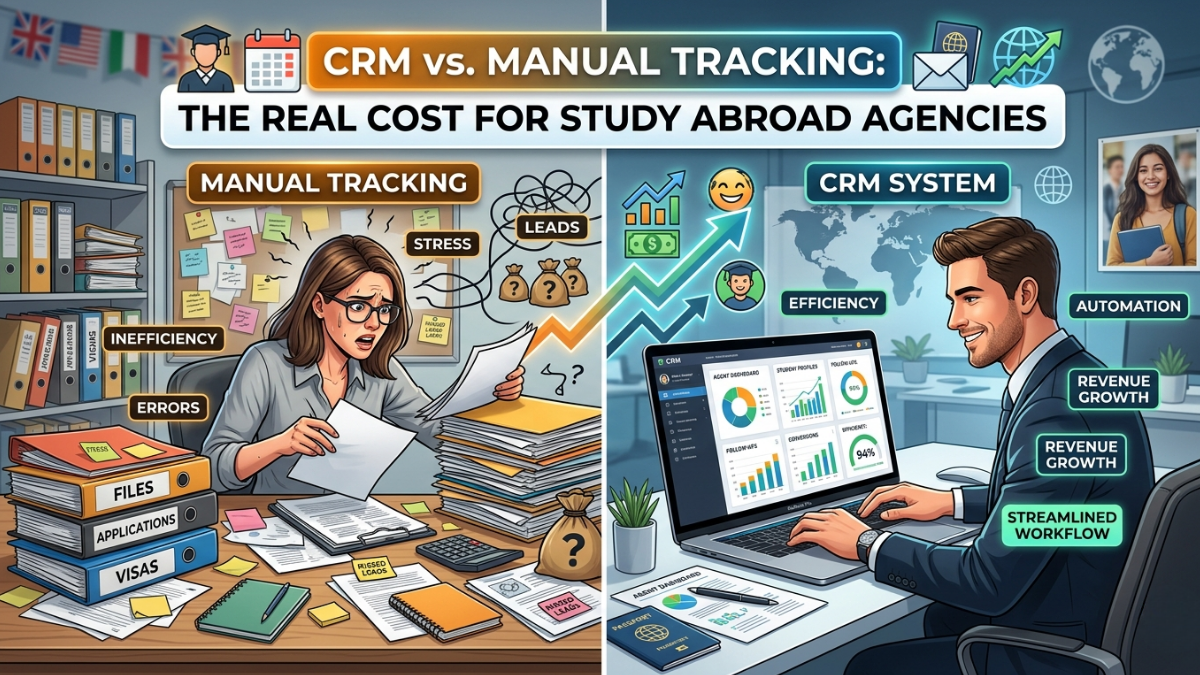
In contrast, manual tracking relies on spreadsheets or paper-based systems, which can lead to:
- Data inconsistency: Errors in data entry can create significant issues.
- Time consumption: Manual updates are labor-intensive and slow.
- Limited accessibility: Data might be trapped in one person’s workspace rather than being easily shared.
For instance, a study abroad agency using CRM can automate follow-ups with potential students, while those relying on manual tracking may miss out on opportunities due to overlooked emails.
Pro Tip: Consider trialing a CRM system with a limited set of features to understand its impact before fully committing. According to a 2024 survey by Statista, agencies that switched to CRM reported a 30% increase in client engagement.
What is a CRM for Study Abroad Agencies?
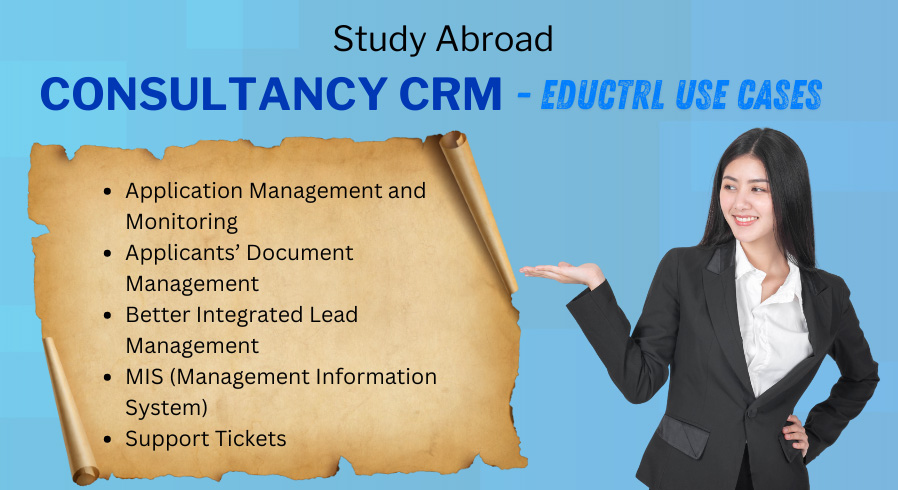
A CRM, or Customer Relationship Management system, is a powerful tool for study abroad agencies that streamlines processes and improves client interactions. It centralizes data, allowing agencies to manage student inquiries, applications, and communications efficiently.
Key functionalities include:
- Contact Management: Organizes student information, making it easy to track interactions and follow-ups.
- Lead Tracking: Monitors prospective students' journeys, helping agencies understand which campaigns work best.
- Automated Communication: Sends personalized emails and reminders, ensuring no student feels neglected.
For example, an agency using a CRM might see a 30% increase in conversion rates after implementing automated follow-up reminders for students who haven't completed their applications.
Pro Tip: When selecting a CRM, look for features that integrate with existing tools (like email or social media) to create a seamless workflow. This integration helps you save time and reduces the risk of errors associated with manual tracking.
How Manual Tracking Works
Manual tracking in study abroad agencies involves using spreadsheets, paper forms, or basic databases to keep tabs on leads, applications, and student progress. This method often requires more hands-on effort, as agents input data manually and regularly update records.
Key aspects of manual tracking include:
- Data Entry: Agents need to log every interaction with potential students. This can be time-consuming and prone to errors.
- Tracking Progress: Without automated systems, agents must rely on their memory or physical notes to follow up on leads.
- Reporting: Generating reports for stakeholders may involve compiling data from various sources, leading to inconsistencies.
For example, an agency using a shared Google Sheet might have several team members updating it. If one person enters a lead's information incorrectly, it could lead to missed opportunities or miscommunication.
Pro tip: Regularly back up your manual tracking data and establish a consistent naming and categorization system to minimize confusion and errors.
The Real Cost of Manual Tracking
Manual tracking may seem cost-effective at first glance, but the hidden expenses can accumulate quickly. Here are some key considerations:
- Time Drain: Agents spend hours on data entry and organization. According to a 2024 survey by Statista, agencies reported losing up to 20 hours a week just managing student data manually.
- Human Error: Mistakes in tracking can lead to lost leads or incorrect information. For instance, one agency found that misentered data resulted in a 30% drop in conversion rates over a year.
- Opportunity Costs: Time spent on manual tasks is time not spent on nurturing relationships or closing deals. This could mean potential earnings slipping through the cracks.
Pro Tip: Automate repetitive tasks using tools like spreadsheets with formulas or CRM systems to save time and reduce errors.
Consider a mini case study: A mid-sized agency switched to a CRM and cut their data management time by 50%, allowing them to focus on client interactions and ultimately increasing their revenue by 25% within six months.
Time and Efficiency Losses
Manual tracking can significantly slow down operations for study abroad agencies. The time lost in data entry, retrieval, and communication can add up quickly.
- Data Duplication: When tracking manually, agents often enter the same information multiple times. This redundancy not only wastes time but also increases the risk of errors.
- Information Retrieval: Finding specific student data or previous interactions in a manual system can take up to 30% longer than in a CRM. This delay can lead to missed opportunities and frustrated clients.
Consider a small agency handling 100 students. If each agent spends just 15 extra minutes per student on manual tasks, that totals 25 hours of lost productivity each month.
Pro Tip: Streamline processes by implementing standardized forms and checklists to minimize time spent on repetitive tasks.
Efficient communication is also hindered. Agents often rely on emails or spreadsheets, creating information silos. A CRM centralizes communication, ensuring everyone is on the same page. This can lead to faster decision-making and improved client satisfaction, as demonstrated by agencies that have transitioned to CRM systems, reporting a 30% increase in client inquiries handled.
Human Error and Data Inaccuracy
Human error is a significant factor in data inaccuracy, particularly when agencies rely on manual tracking systems. Mistakes can occur at any stage, from data entry to analysis, leading to flawed insights that can misguide decision-making.
- Common errors include:
- Typographical errors during data entry
- Miscommunication among team members
- Inconsistent data formats
For instance, a study abroad agency may record student application deadlines incorrectly, resulting in missed opportunities and dissatisfaction. This type of oversight can damage an agency’s credibility and efficiency.
Pro Tip: Implement regular training sessions for staff to minimize errors and encourage a culture of accuracy.
Automated CRM systems, on the other hand, significantly reduce human error. According to a 2023 study by TechCrunch, agencies using CRM tools noted a 30% decrease in data-related inaccuracies compared to their manual counterparts.
Leveraging automation not only enhances data integrity but also frees up time for your team to focus on more strategic initiatives.
Benefits of Using a CRM for Education Consultants
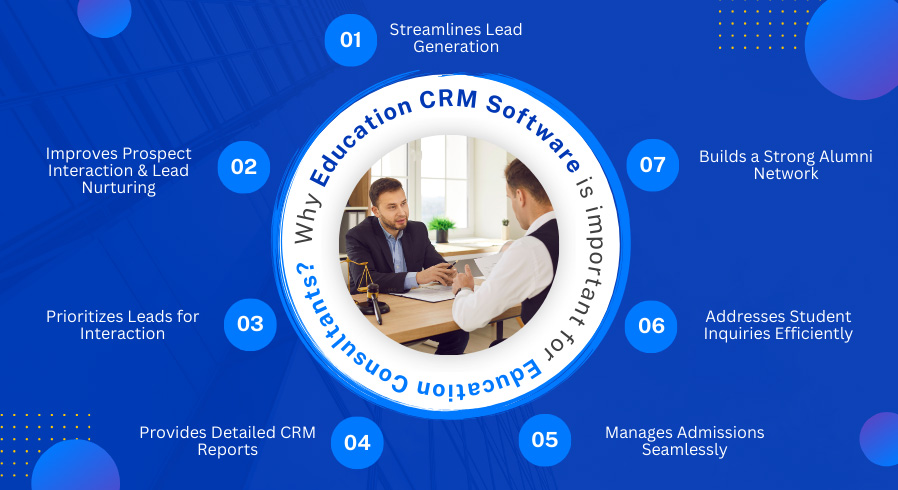
- Enhanced Organization: A CRM system helps education consultants keep student information, applications, and follow-ups in one place. For instance, using a CRM like HubSpot allows consultants to categorize leads based on their stage in the application process, ensuring no potential student falls through the cracks.
- Improved Communication: With built-in communication tools, CRMs facilitate timely follow-ups. For example, if a student inquires about a particular university, a consultant can set reminders to send personalized emails, maintaining engagement and increasing conversion rates.
- Data-Driven Insights: A CRM provides valuable analytics that can inform marketing strategies. By tracking which universities attract the most interest, consultants can tailor their outreach efforts more effectively.
- Streamlined Processes: Automating repetitive tasks, such as sending out information packets or thank-you emails, saves time. For example, a study abroad agency might automate follow-ups for initial consultations, freeing up consultants to focus on personalized guidance.
- Pro Tip: Regularly review your CRM data to identify trends in student inquiries, enabling you to adjust your services or marketing strategies proactively. This proactive approach can lead to increased student satisfaction and higher enrollment rates.
Streamlined Processes
Implementing CRM systems significantly enhances operational efficiency for study abroad agencies. By automating various tasks, agencies can focus on what truly matters: student engagement and support.
- Data Centralization: A CRM consolidates all student information in one place, reducing time spent searching for emails or paper files. For instance, a study abroad agency that used a CRM reported a 30% reduction in administrative tasks.
- Automated Communication: With CRM tools, agencies can automate follow-up emails and reminders. This ensures no student inquiry falls through the cracks, improving response rates and satisfaction.
- Streamlined Reporting: CRMs provide easy access to data analytics and reports, allowing agencies to track performance and make informed decisions quickly. This can lead to identifying trends, such as popular destinations or programs.
Pro Tip: Regularly train staff on CRM features to maximize efficiency. Encourage team members to share tips on utilizing the software effectively. By fostering a culture of collaboration, agencies can further enhance their streamlined processes.
Improved Data Management
Implementing a CRM system dramatically enhances data management for study abroad agencies. Unlike manual tracking, which often leads to fragmented and inconsistent information, a CRM centralizes data in one accessible location.
- Streamlined Data Entry: CRM systems reduce errors through automated data capture. For instance, when a student fills out an inquiry form, their details are instantly populated in the system.
- Real-Time Updates: Changes made in the CRM are reflected immediately, ensuring that team members always access the most current information. This is crucial for managing deadlines, scholarship opportunities, and application statuses.
- Enhanced Reporting: With tools that generate reports at the click of a button, agencies can analyze trends and outcomes efficiently. For example, a study abroad agency can quickly assess which programs attract the most interest and adjust marketing strategies accordingly.
Pro Tip: Regularly train staff on CRM best practices to maximize the benefits of improved data management. Engaging with the system can lead to discovering new features that save time and enhance productivity.
Comparing CRM vs. Spreadsheets for Agencies
When evaluating CRM systems versus spreadsheets for managing client relationships, agencies need to consider key differences that impact efficiency and effectiveness.
CRM Advantages:
- Automation: CRMs automate follow-ups and reminders, reducing manual workload. For instance, a study abroad agency using Salesforce increased student engagement by 30% through automated emails.
- Data Insights: CRMs provide analytics dashboards, allowing agencies to track performance metrics in real-time. For example, HubSpot users can see lead conversion rates at a glance.
- Collaboration: Multiple team members can access and update client information simultaneously in a CRM, enhancing teamwork and reducing errors.
Spreadsheet Limitations:
- Manual Updates: Relying on spreadsheets often leads to outdated information as updates rely on individual input. For example, a school might miss a student’s application deadline due to a forgotten spreadsheet entry.
- Limited Scalability: As agencies grow, managing large datasets in spreadsheets becomes cumbersome and prone to mistakes.
- Lack of Integration: Spreadsheets typically don’t integrate with other tools, making it harder to streamline processes.
Pro Tip: Consider starting with a CRM’s free trial to experience its benefits firsthand and identify the features most valuable to your agency.
Conclusion
In evaluating the differences between CRM systems and manual tracking for study abroad agencies, several key takeaways emerge:
- Efficiency Matters: Automating processes with a CRM can save significant time, allowing staff to focus on client engagement rather than administrative tasks. Agencies using CRM solutions reported a 30% increase in productivity.
- Data-Driven Decisions: With a CRM, data analytics provide insights that manual tracking simply cannot. For instance, a study abroad agency that utilized CRM data saw a 25% improvement in student placement rates by tailoring services based on client preferences.
- Cost Implications: While initial investment in a CRM might seem high, the long-term savings on time and errors make it a cost-effective choice. Consider the hidden costs of lost opportunities with manual tracking.
Pro Tip: Start with a trial version of a CRM to assess its fit for your agency.
Ultimately, investing in a CRM can transform your operations and enhance client relationships, setting your agency apart in a competitive market. Embrace technology to thrive!