
EduCtrl is a feature-rich cloud-based software to manage all aspects of Overseas Education Consultancy Business, Training/Coaching Institutions.
+91-924-213-7092
Give us a call
info@eductrl.com
Drop us email
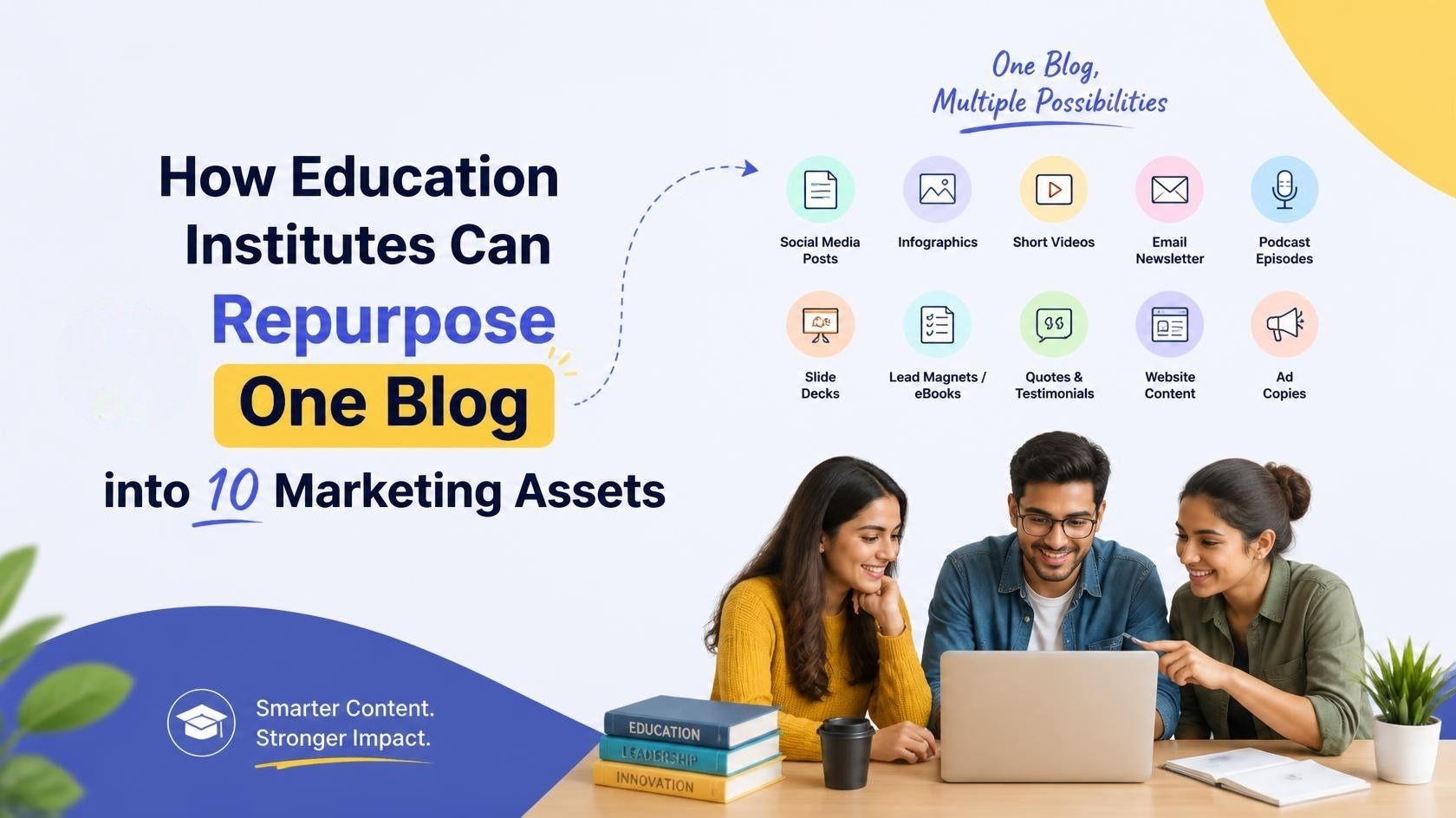
How Education Institutes Can Repurpose One Blog into 10 Marketing Assets
Published: Aug 28, 2026
Introduction
In today's competitive international education landscape, effective communication plays a crucial role in connecting with prospective students. Every student has different academic goals, preferred destinations, financial concerns and expectations from their study abroad journey. A one-size-fits-all communication approach can therefore make it difficult to build meaningful engagement.
Personalised communication strategies help education institutions, study abroad consultants and counsellors deliver information that is relevant to each student's individual needs. From tailored follow-ups and targeted emails to personalised counselling and automated communication, institutions can create a more supportive and engaging student experience.
By understanding student preferences and using the right communication tools, education professionals can build stronger relationships, improve engagement and guide students more effectively throughout their study abroad journey.
Personalised Communication Strategies for Study Abroad
Published: Aug 20, 2026
Introduction
In today's interconnected world, effective communication can make or break your study abroad experience. Personalised communication strategies ensure that you stand out in the crowded field of international education. With the right approach, you can not only share your story but also connect authentically with prospective students and educational institutions.
Consider these key points:
- Understanding Your Audience: Tailor your messages based on the needs and aspirations of prospective students. For instance, a student from India may have different concerns than one from Brazil regarding study abroad.
- Utilizing Digital Tools: Leverage social media platforms to engage with your audience in real-time. A successful case is the University of Sydney, which increased its international inquiries by 30% through targeted Instagram campaigns.
- Pro Tip: Create segmented email lists to send customised content that resonates with specific groups. This can significantly improve engagement rates and conversion.
As we delve deeper into personalised communication strategies, you'll discover actionable insights to enhance your outreach efforts and foster meaningful connections in the global education landscape.
How CRM Automation Improves Counsellor Productivity
Published: Aug 13, 2026

Introduction
In today's fast-paced world, the pressure on counsellors to manage their time effectively has never been higher. With multiple clients, paperwork, and follow-ups, staying organized can feel overwhelming.
CRM (Customer Relationship Management) automation is changing the game by streamlining these tasks. By integrating automation tools, counsellors can focus more on their clients and less on administrative duties.
Consider this: a counselling practice that adopts CRM automation can reduce the time spent on scheduling by up to 30%. Imagine what you could achieve with those extra hours!
Pro tips for leveraging CRM automation include:
- Automating appointment reminders to reduce no-shows and keep clients engaged.
- Tracking client interactions to provide personalized follow-ups, enhancing the client experience.
- Generating reports on client progress automatically, allowing for data-driven decisions.
As we explore the ways CRM automation boosts counsellor productivity, you'll discover actionable strategies to enhance your practice and improve client satisfaction.
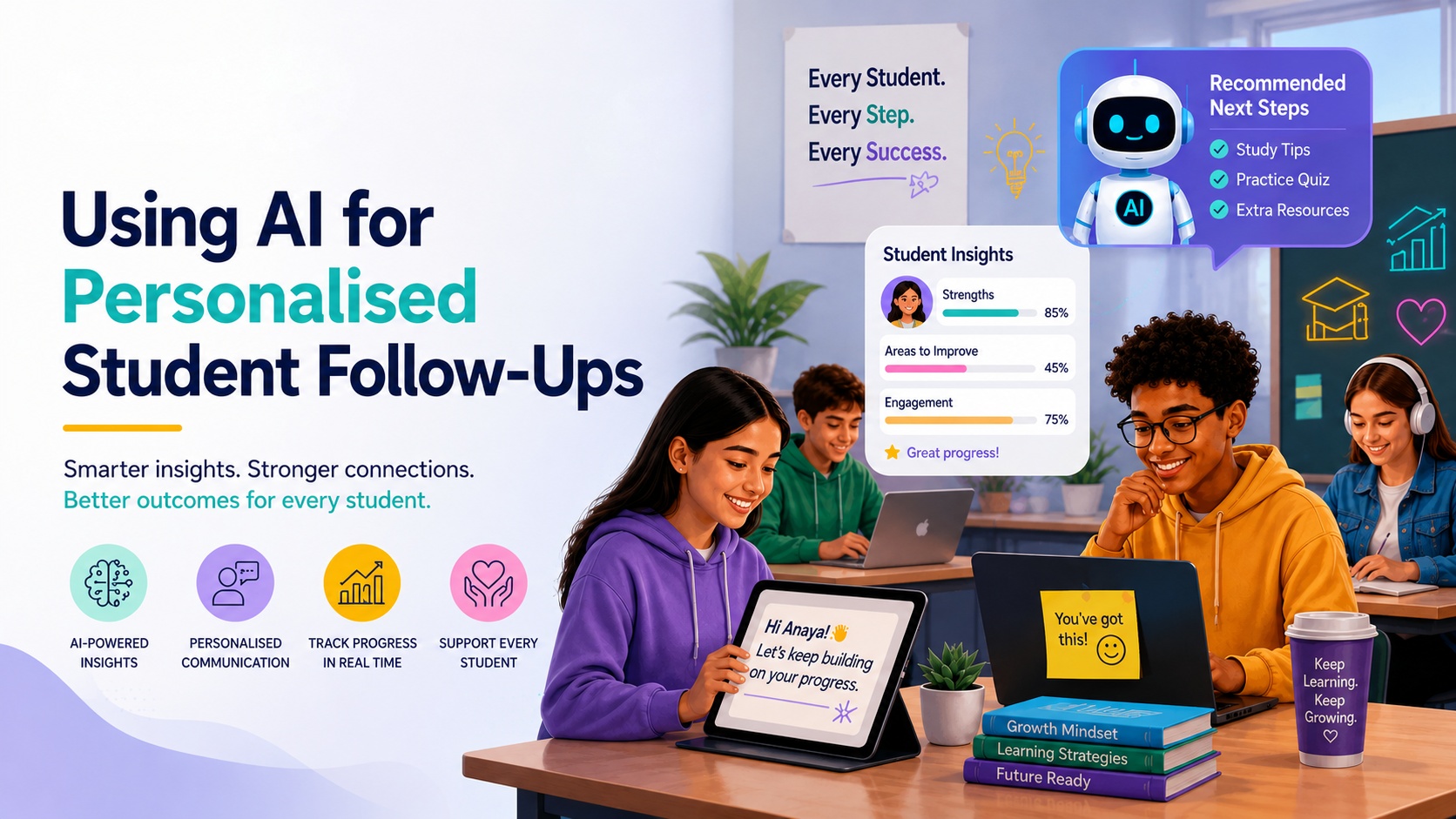
Using AI for Personalised Student Follow-Ups
Published: Aug 06, 2026
Introduction
In today's fast-paced educational landscape, personalization is no longer a luxury; it’s a necessity. With diverse student needs and varied learning styles, how can educators effectively engage each individual? Enter AI.
By leveraging artificial intelligence, educational institutions can enhance communication and support through tailored follow-ups that resonate with each student. Imagine an AI system that:
- Analyzes student performance data
- Sends personalized reminders for assignments
- Suggests resources based on individual learning patterns
For instance, a university implemented an AI-driven follow-up system that increased student engagement by 30% in just one semester. This system not only tracked academic performance but also identified students who might be struggling, prompting timely interventions.
Pro tip: Start small by integrating AI chatbots to handle routine inquiries. This frees up time for educators to focus on what matters—building meaningful relationships with students.
As we dive deeper into the benefits of AI for personalized student follow-ups, you'll discover how this technology can transform educational experiences and foster a supportive learning environment.
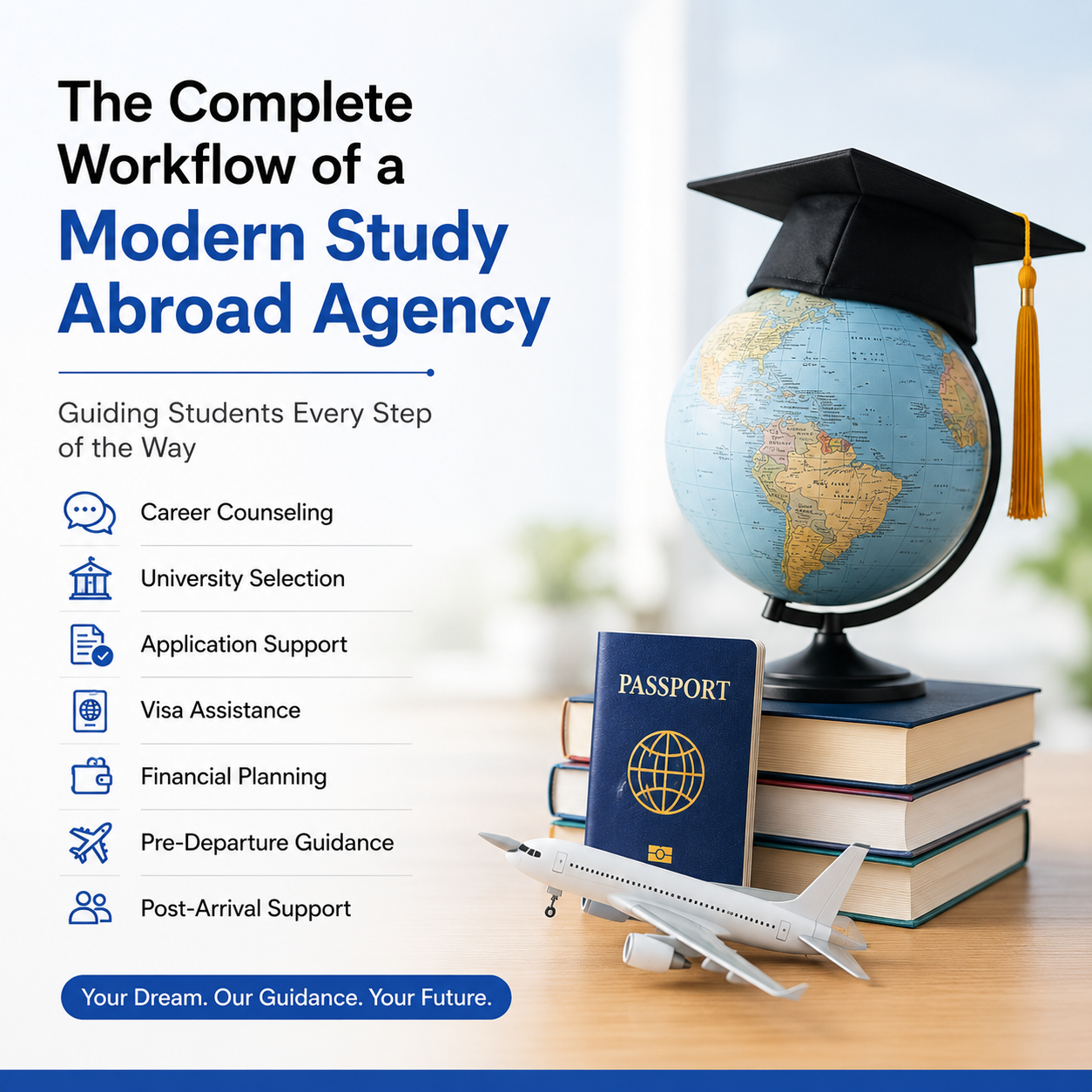
The Complete Workflow of a Modern Study Abroad Agency
Published: Jul 09, 2026
Introduction
When you decide to study the next challenge is figuring out what happens after you contact a study abroad agency. A lot of students think that an agency just submits university applications for them. It is actually a lot more than that. A study abroad agency helps you with your whole journey from when you first ask about studying abroad to when you are all settled in your new country.
Every step of the way the agency plans carefully gives you expert advice keeps you updated and supports you so you can reach your goals with confidence.
Challenges Faced by Study Abroad Agencies and How to Overcome Them
Published: Jul 02, 2026
Introduction
The demand for international education continues to grow as students seek better academic opportunities, global exposure, and improved career prospects. Study abroad agencies play a vital role in helping students choose universities, complete applications, secure visas, and prepare for life overseas.
However, managing a study abroad consultancy is far from simple. Agencies handle hundreds of student inquiries, maintain relationships with multiple universities, track changing immigration policies, and ensure every application meets strict deadlines. Without proper systems and processes, these challenges can slow growth, reduce efficiency, and affect student satisfaction.
This article explores the major challenges faced by study abroad agencies and practical strategies to overcome them.
Also Read