
EduCtrl is a feature-rich cloud-based software to manage all aspects of Overseas Education Consultancy Business, Training/Coaching Institutions.
+91-924-213-7092
Give us a call
info@eductrl.com
Drop us email
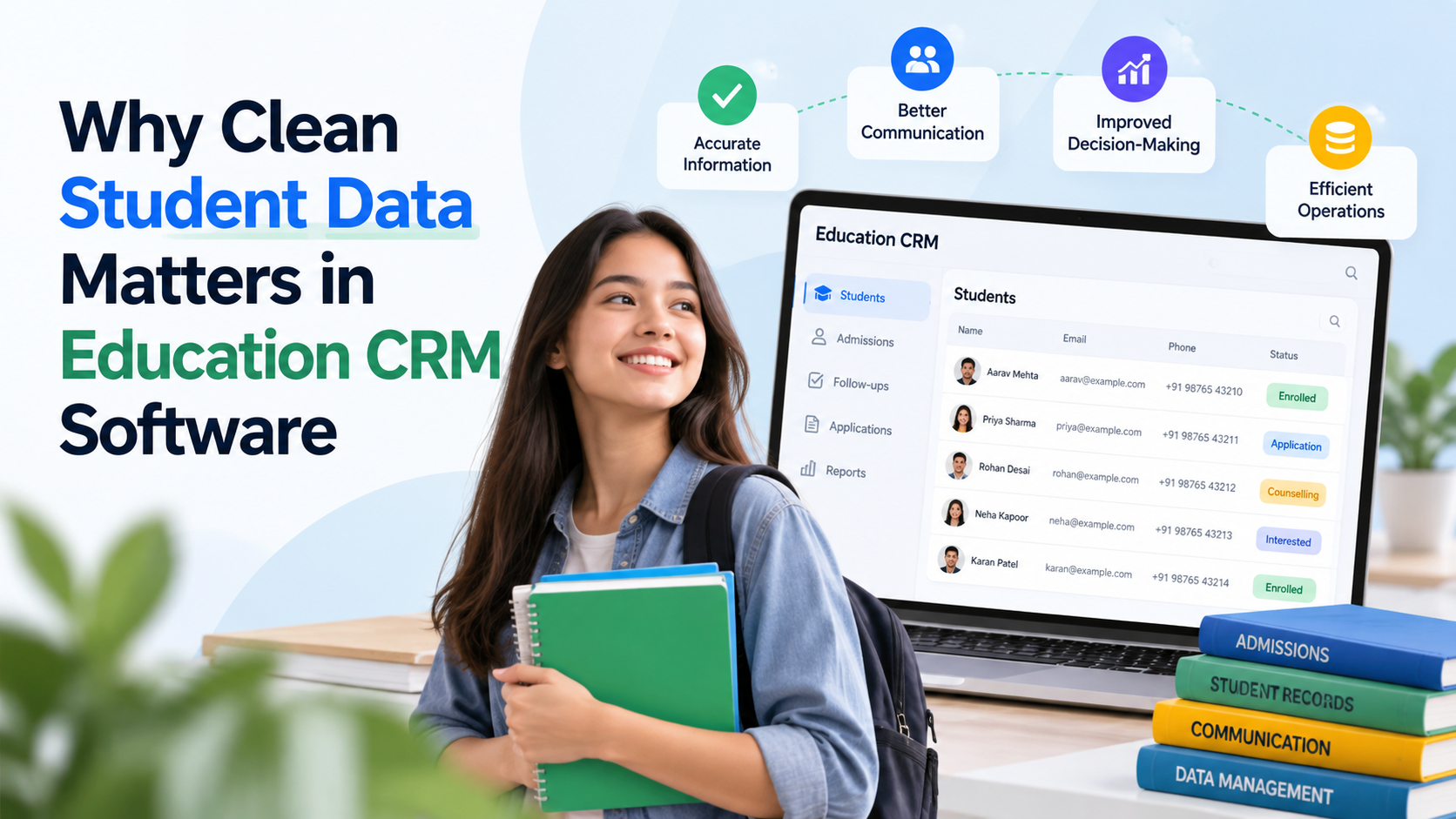
Why Clean Student Data Matters in Education CRM Software
Published: Oct 16, 2026
Introduction
In today's rapidly evolving educational landscape, clean student data is more than just a backend necessity; it's a cornerstone of effective decision-making. With the integration of CRM software in education, institutions are harnessing the power of data to enhance student experiences and streamline operations.
When student data is accurate and well-organized, it offers a multitude of benefits, including:
- Improved communication with students and parents
- Enhanced tracking of student progress and outcomes
- More effective resource allocation
For example, a university that regularly cleans its student database saw a 20% increase in engagement with its communications, leading to higher enrollment rates in key programs. Conversely, institutions with outdated or inaccurate data often struggle, resulting in wasted resources and missed opportunities.
Pro Tip: Regularly schedule data audits and implement real-time data entry protocols to maintain data integrity. This proactive approach not only prevents issues but also maximizes the potential of your CRM.
How CRM Activity Tracking Helps Teams Stay Aligned
Published: Oct 14, 2026
_1791958853.jpg)
In today's fast-paced business environment, staying aligned as a team can often feel like a daunting task. Without a clear understanding of each other's activities and progress, miscommunication can lead to missed opportunities and decreased productivity.
CRM activity tracking offers a powerful solution by providing teams with a centralized platform to monitor interactions, tasks, and goals. Here's how it helps:
- Transparency: Everyone can see what others are working on, fostering collaboration and reducing redundancy.
- Accountability: Clear visibility of individual responsibilities encourages team members to stay on track.
- Data-Driven Decisions: Access to real-time analytics allows teams to adjust strategies based on performance metrics.
For example, a sales team using CRM activity tracking identified that follow-up emails were often overlooked. After implementing reminders, the team reported a 25% increase in client engagement. This example should be verified before publication.
By embracing CRM activity tracking, teams can enhance alignment and improve collaboration. In the following sections, we will explore specific tactics and tools that can make this alignment more seamless.
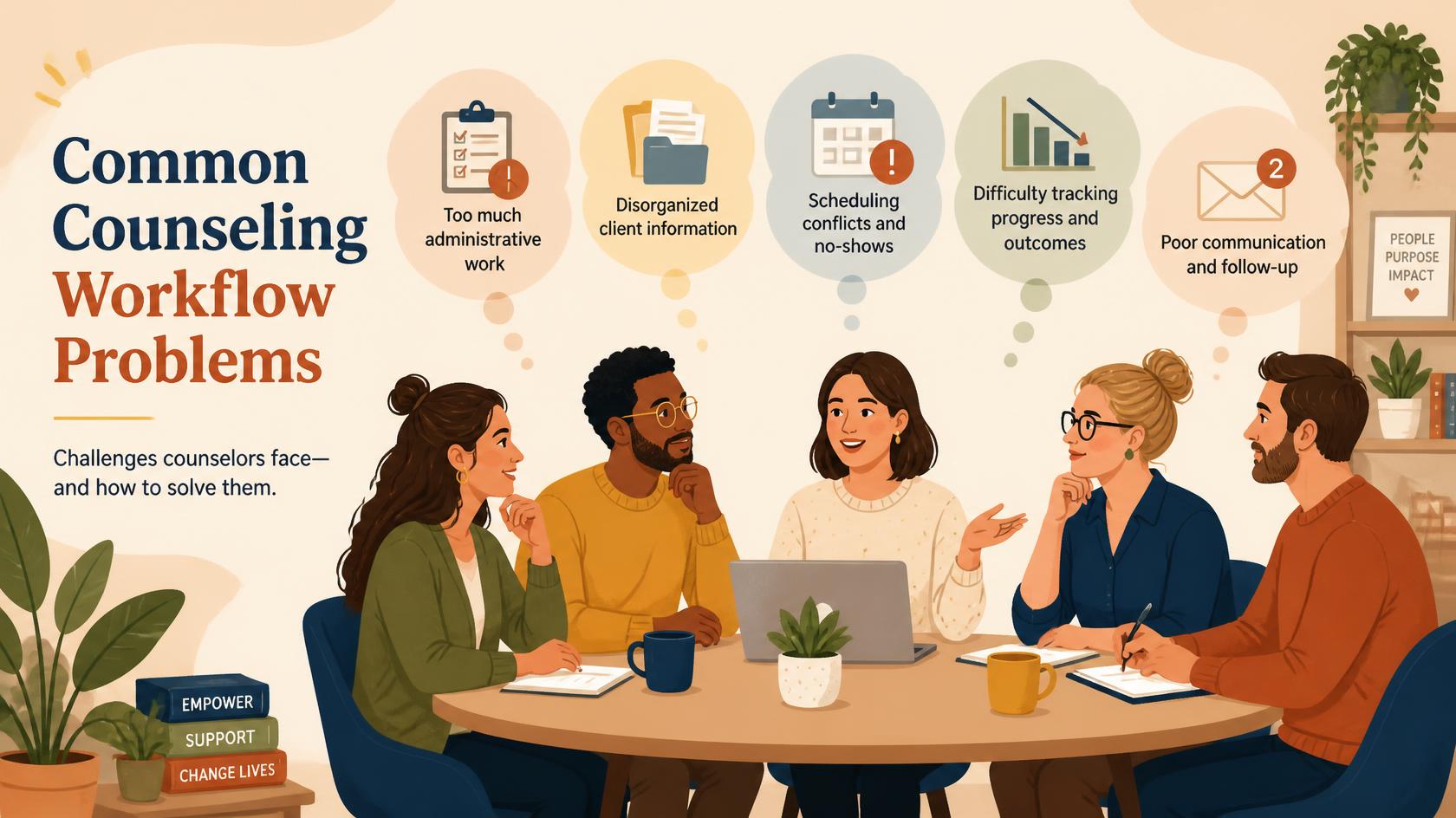
Common Counselling Workflow Problems an Education CRM Can Solve
Published: Oct 01, 2026
Introduction
In the fast-paced world of education, effective counseling is crucial for student success. However, many educational institutions struggle with common workflow problems that hinder their ability to provide timely support.
From inefficient scheduling to fragmented communication, these challenges can create barriers for both counselors and students. Consider the case of a mid-sized university where counselors often juggled multiple platforms for scheduling meetings, leading to missed appointments and student frustration.
Implementing an Education CRM can streamline these processes by:
- Centralizing student information
- Automating appointment scheduling
- Enhancing communication channels
According to a 2024 survey by Statista, institutions utilizing dedicated CRM systems reported a 30% increase in student satisfaction.
In this article, we’ll explore the common counseling workflow problems that an Education CRM can effectively address, providing actionable insights for institutions looking to enhance their counseling services.
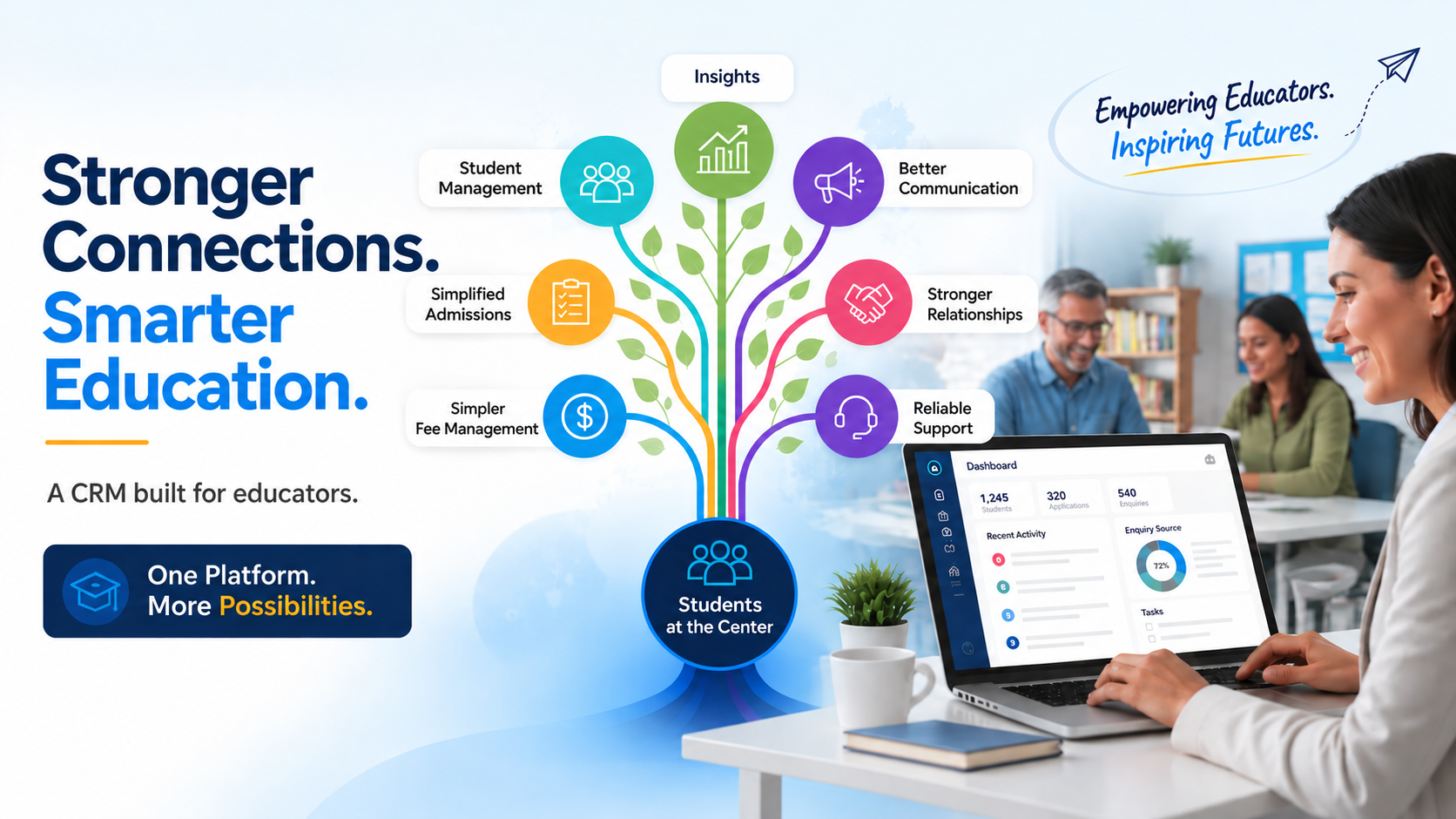
How CRM Software Supports Multi-Branch Education Businesses
Published: Sep 21, 2026
Introduction
In today's fast-paced educational landscape, managing multiple branches can feel like juggling flaming torches. Yet, with the right tools, you can turn chaos into harmony.
Customer Relationship Management (CRM) software stands out as a game-changer for multi-branch educational businesses. It centralizes data, streamlines communication, and helps maintain consistent service across all locations.
Consider how a multi-campus university might struggle with student enrollment processes. A CRM can automate follow-ups, track application statuses, and ensure that no student feels lost in the shuffle.
Pro tips for leveraging CRM in education:
- Automate reminders for important deadlines to keep students informed.
- Use analytics features to measure student engagement across branches.
- Ensure customizable dashboards for branch managers to monitor performance metrics.
With the right CRM strategy, your educational institution can not only survive but thrive in a competitive environment. Let's explore how to implement these systems effectively!
How to Write an Impressive SOP (Statement of Purpose) for Top Universities
Published: Sep 16, 2026
 for Top Universitie_1789538084.jpg)
Introduction
Crafting a compelling Statement of Purpose (SOP) can make or break your application to top universities. It's your chance to tell your unique story, showcase your ambitions, and demonstrate why you're a strong fit for the program.
An SOP is not just a formality. It's a crucial element that admissions committees use to understand your motivations and potential. A well-written SOP can help distinguish your application from others.
To create an impactful SOP, consider the following:
- Reflect on Your Experiences: Think about pivotal moments in your education or career that shaped your path.
- Showcase Your Passion: Admissions officers look for authentic enthusiasm about your field of study.
- Be Specific: Instead of vague statements, use examples that illustrate your qualifications and aspirations.
For instance, if you're applying for a Master's in Environmental Science, sharing a specific project where you made a tangible contribution can be more meaningful than making general statements about your interest in the environment.
With a structured approach and the right insights, your SOP can present your academic journey, goals, and motivation clearly as you prepare for your university application.
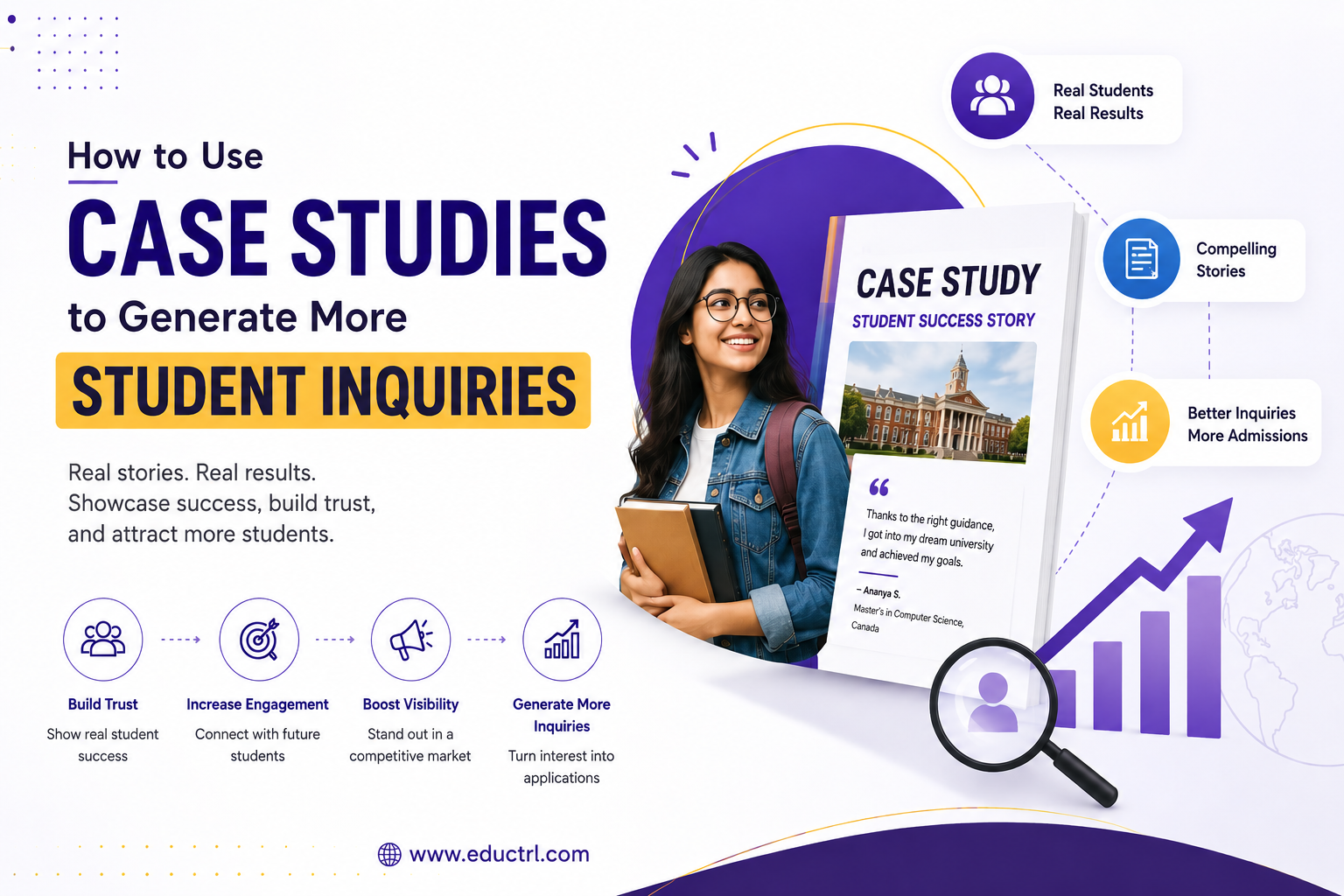
How to Use Case Studies to Generate More Student Inquiries
Published: Sep 03, 2026
Introduction
In a world flooded with information, how do you make your educational institution stand out? Case studies can be your secret weapon. They not only showcase real success stories but also resonate with potential students on a personal level.
With the rise of digital platforms, prospective students are looking for authentic experiences that align with their aspirations. Case studies serve as compelling narratives that illustrate how your programs have transformed lives. They build trust and credibility, which are essential in attracting inquiries.
Here are a few quick insights to harness the power of case studies:
- Highlight Diverse Outcomes: Showcase a range of student experiences, from academic achievements to career advancements.
- Use Engaging Formats: Consider infographics or video testimonials to make the content more digestible.
- Call to Action: End each case study with a clear invitation for readers to reach out for more information.
By strategically using case studies, you can effectively draw in more inquiries and connect with potential students who relate to those stories.
Also Read