_1772445834.jpeg)
Understanding the Student Recruitment Funnel in 2026
A student recruitment funnel is the structured journey a prospective student takes from first discovering your institution to finally enrolling. In the past, this journey was linear. Today, it is dynamic and multi-channel.
Prospects discover you through SEO-driven blogs, social media campaigns, webinars, referrals, influencer content, or paid ads. They compare options, read reviews, watch testimonials, and consult their families before making decisions. If your funnel does not support this complex journey, you lose them to someone who does.
In 2026, a high-converting student recruitment funnel must do three things well. It must attract qualified leads, nurture them with relevant information, and guide them toward a confident decision. The key shift is moving from volume-based marketing to intent-based recruitment.
Why Most Student Recruitment Strategies Fail
Many institutions focus heavily on top-of-the-funnel activities. They run ads, post on social media, and attend education fairs. Leads start flowing in. But then the system breaks.
There is no structured follow-up process. Counseling calls are inconsistent. Messaging changes depending on who speaks to the student. CRM data is incomplete. As a result, inquiries remain just that — inquiries.
Another common issue is misalignment between marketing and admissions teams. Marketing promises career transformation, while admissions discuss only course features. The lack of consistency creates doubt in the student’s mind.
In 2026, students are not just evaluating your program. They are evaluating your credibility, clarity, and process. A high-converting student recruitment funnel fixes these structural gaps.
The Foundation: Defining Your Ideal Student Profile
Before designing campaigns or automation workflows, you must define who you want to attract. This sounds basic, but most institutions skip this step.
Are you targeting fresh graduates, working professionals, or career switchers? Are they price-sensitive? Are they looking for migration opportunities or skill upgrades? What fears are they carrying? Visa rejection? Job uncertainty? Financial pressure?
When you clearly define your ideal student profile, your recruitment marketing becomes sharper. Your messaging resonates more deeply. Your counseling becomes more focused. Your conversion rate improves naturally.
A high-converting student recruitment funnel begins with clarity about whom you want to convert.
Stage One: Awareness – Attracting the Right Audience
The awareness stage is where prospects first encounter your brand. In 2026, this stage is driven by educational content marketing, SEO, community engagement, and targeted ads.
Instead of generic promotions, high-performing institutions create problem-focused content. For example, they publish detailed blogs on visa challenges, career prospects in specific countries, salary expectations, or skill demand trends. This attracts students who are actively researching.
Some skill-based institutes follow a similar model. They create career-focused articles explaining job market realities and required competencies, which naturally attract serious learners. This approach filters curiosity-driven traffic and draws in intent-driven prospects.
At this stage, your goal is not to sell. It is to build authority. When your content answers real questions with honesty and depth, prospects begin trusting you before the first call.
Stage Two: Consideration – Building Trust Through Structured Nurturing
Once a student shows interest by filling out a form, downloading a guide, or attending a webinar, the consideration phase begins. This is where most student recruitment funnels collapse.
In 2026, manual follow-ups are not enough. You need structured lead nurturing. This includes automated email sequences, WhatsApp follow-ups, scheduled counseling calls, and personalized content recommendations.
The tone here matters. Prospects do not want pressure. They want clarity. They want to understand outcomes, timelines, financial implications, and risks. Transparent communication builds trust.
Lead nurturing must also segment students based on intent. A working professional exploring overseas education needs different information compared to a final-year undergraduate student. Personalization increases engagement and conversion probability.
Stage Three: Decision – Converting With Confidence
The decision stage is where hesitation often appears. Even interested students delay because of fear. Concerns about finances, visa approvals, relocation challenges, or job prospects become dominant.
Your student recruitment funnel must address these objections proactively. Case studies, student testimonials, alumni stories, and transparent success metrics help here.
When prospects see real journeys rather than generic claims, they feel reassured. Some institutions integrate video testimonials or structured application roadmaps that clearly outline each step from documentation to enrollment. This reduces anxiety and increases commitment.
At this stage, consistency across communication channels is critical. Marketing messages, counselor conversations, and documentation processes must align. Confusion kills conversions.
The Role of CRM and Automation in Modern Student Recruitment
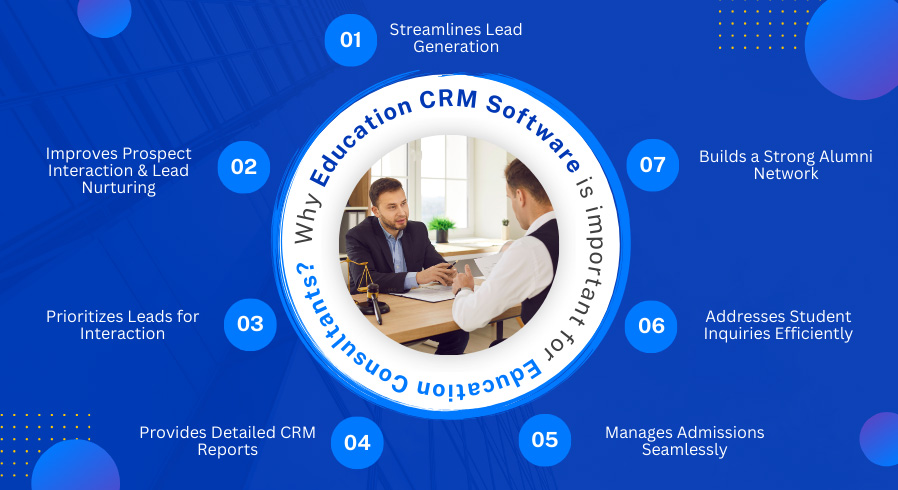
In 2026, it is almost impossible to build a high-converting student recruitment funnel without a CRM system. Manual spreadsheets cannot handle segmentation, follow-ups, and tracking effectively.
A CRM allows you to monitor lead sources, response times, counselor performance, and conversion stages. It also enables automated workflows that ensure no inquiry is forgotten.
However, automation should not remove human warmth. The best-performing funnels blend technology with personalized engagement. Automated reminders schedule calls, but counselors still provide thoughtful guidance. Data informs strategy, but empathy drives decisions.
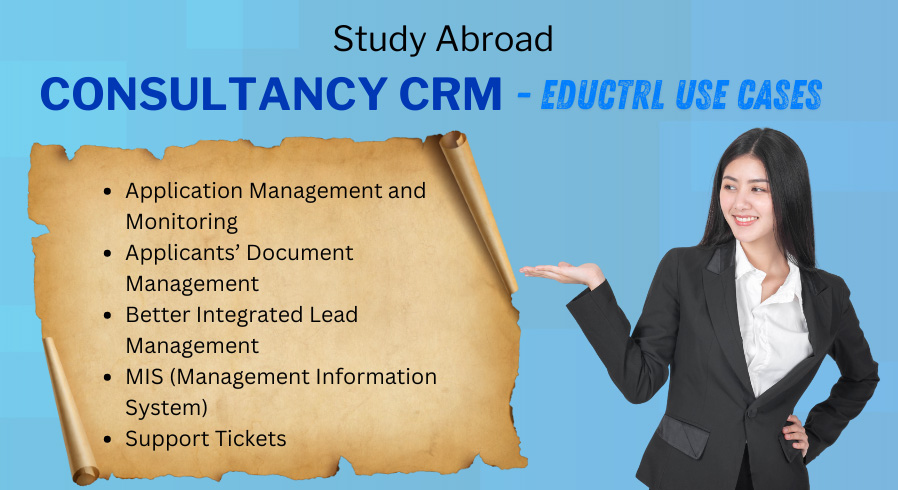
Working professionals running consultancies or training institutes often underestimate this balance. The goal is operational efficiency without losing human connection.
Aligning Funnel Messaging With Career Outcomes
One of the most important shifts in student recruitment marketing is moving from program-centric messaging to outcome-centric communication.
Students today care less about course modules and more about what those modules lead to. Will they secure employment? Will their salary improve? Will their career path accelerate?
Skill-based training institutes have embraced this mindset strongly. For example, organizations like Scoop Labs structure their content and counseling around job-readiness and measurable skill outcomes rather than just curriculum descriptions. This approach pre-qualifies serious applicants before they even enter the formal enrollment stage.
Study abroad consultancies can learn from this. When your student recruitment funnel emphasizes long-term career transformation instead of short-term enrollment numbers, you attract higher-intent candidates who convert with greater confidence.
Comparing Recruitment Funnels Across Education Segments
Although study abroad agencies and training institutes operate differently, their recruitment funnels share structural similarities. Both require awareness-building through educational content. Both rely on trust during the consideration stage. Both depend on transparent outcome communication at the conversion stage.
The difference lies in complexity. Study abroad consultancies must manage visa processes and international coordination. Training institutes must demonstrate tangible skill outcomes. But in both cases, the funnel’s success depends on clarity, structured follow-up, and consistent messaging.
Understanding these parallels allows founders to borrow proven strategies from adjacent education sectors and strengthen their own systems.
Measuring What Truly Matters
A high-converting student recruitment funnel is not measured only by the number of inquiries. It is measured by cost per qualified lead, counseling-to-application ratio, application-to-enrollment rate, and lifetime value of a student.
In 2026, decision-makers must review funnel data monthly, not yearly. Patterns emerge quickly. If awareness traffic is high but conversions are low, the issue lies in consideration or decision stages. If lead quality is poor, messaging or targeting needs adjustment.
Continuous improvement is the backbone of sustainable recruitment.
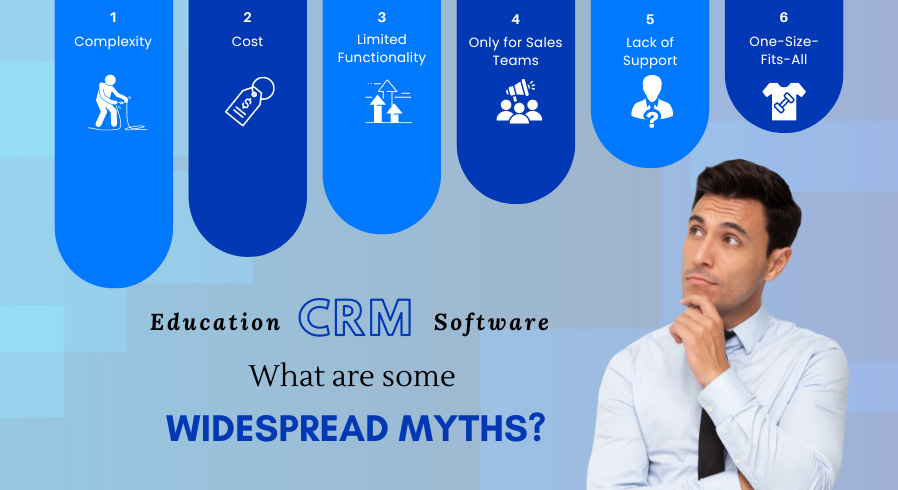
Common Misconceptions About Funnel Optimization
Some founders believe that increasing advertising budgets automatically increases enrollments. In reality, scaling a broken funnel only amplifies inefficiencies.
Others assume automation replaces counselors. It does not. Automation supports structure. Counselors remain central to building emotional trust.
Another misconception is that shorter funnels convert better. While simplicity is valuable, complex decisions like studying abroad or investing in skill-based education require adequate nurturing. Rushing prospects often backfires.
Understanding these nuances prevents costly mistakes.
Building a System That Scales
As your student recruitment funnel matures, scalability becomes possible. Standardized processes, documented scripts, clear CRM workflows, and consistent branding enable predictable growth.
At this stage, founders can focus on strategy instead of firefighting daily operations. Working professionals managing education businesses often reach a plateau because their systems rely heavily on individual effort. Converting those efforts into documented workflows transforms recruitment into a repeatable model.
Scalability is not about growth at any cost. It is about controlled expansion supported by data and clarity.
Preparing Your Recruitment Funnel for 2026 and Beyond
The next few years will see increased integration of AI-driven personalization, predictive lead scoring, and real-time analytics. Institutions that invest in structured recruitment funnels today will adapt more easily to these advancements.
However, technology alone will not guarantee success. The core remains human trust. Students and parents are making life-changing decisions. They seek advisors who understand their aspirations and anxieties.
A high-converting student recruitment funnel for 2026 must combine three elements: strategic marketing, operational discipline, and empathetic communication. Remove any one of these, and performance suffers.
Conclusion: Turning Strategy Into Sustainable Growth
Building a high-converting student recruitment funnel for 2026 is not about copying trends. It is about understanding your audience deeply, structuring your processes intentionally, and aligning every stage of the journey with measurable outcomes.
For founders and working professionals in the education sector, this is an opportunity to move from unpredictable enrollments to data-driven growth. By defining your ideal student profile, investing in structured lead nurturing, aligning messaging with career outcomes, and leveraging CRM intelligently, you create a system that works even when individual team members change.
The institutions that thrive in 2026 will not be the loudest in advertising. They will be the most structured, transparent, and outcome-focused. When your student recruitment funnel reflects that philosophy, conversions become a natural result of clarity and trust rather than pressure and persuasion.
The shift begins with design. Once your funnel is intentional, growth follows.