
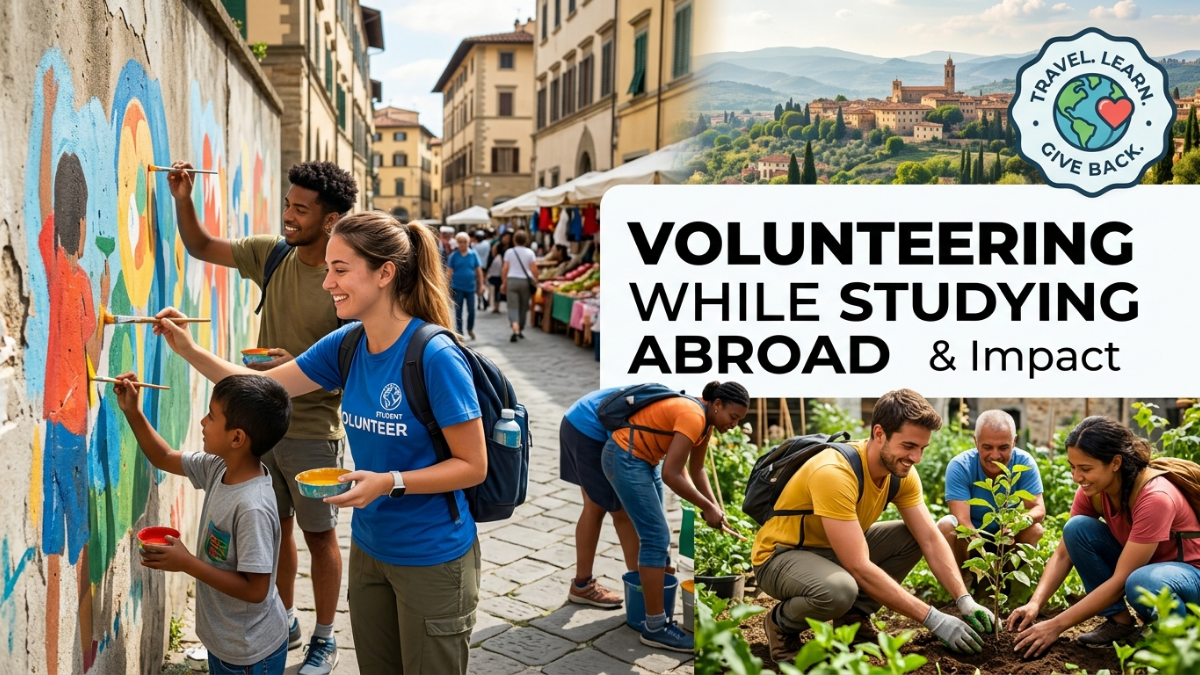
Benefits of Volunteering While Studying Abroad
Volunteering while studying abroad offers numerous benefits that enhance both personal and academic growth.
- Cultural Immersion: Engaging in volunteer work allows you to connect deeply with local communities. For instance, a student volunteering at a wildlife sanctuary in Costa Rica can learn about local conservation efforts while improving language skills through daily interactions.
- Networking Opportunities: Volunteering opens doors to meet diverse individuals, including locals and fellow international students. These connections can lead to internships, mentorships, or lifelong friendships.
- Skill Development: Many volunteer roles provide hands-on experience that complements academic learning. For example, a student pursuing a degree in social work can gain practical experience while volunteering at a local NGO, enhancing their resume.
- Personal Growth: Stepping outside of your comfort zone can boost confidence and resilience. Volunteering in challenging environments teaches adaptability and problem-solving skills.
Pro Tip: Choose a volunteer opportunity that aligns with your career goals. A targeted experience can make your resume stand out when applying for jobs after graduation.
Enhancing Cultural Understanding
Engaging in volunteer work while studying abroad can significantly enhance cultural understanding. By immersing yourself in local communities, you gain firsthand insight into their customs, traditions, and values.
- Direct Interaction: Volunteering allows you to interact with locals in authentic settings, fostering communication and breaking down cultural barriers. For instance, a student volunteering at a community center in Brazil might participate in traditional festivals, gaining a deeper appreciation for local heritage.
- Language Skills: Participating in volunteer programs can also improve language proficiency. A student teaching English in Thailand, for example, not only helps local children but also hones their Thai language skills through daily interactions.
- Perspective Shift: Working alongside diverse populations encourages critical thinking about global issues. A case study from a recent report highlights how volunteers in refugee assistance programs in Germany reported a profound shift in their understanding of migration issues.
Pro Tip: Before volunteering, research the local culture and customs. Being culturally sensitive can enhance your experience and help you build stronger connections with the community.
Building a Global Network
Volunteering while studying abroad can significantly expand your global network. Engaging with local communities not only enhances your educational experience but also opens doors to international connections.
- Meet Diverse People: Volunteering introduces you to locals and fellow international students, fostering relationships that can last a lifetime. For instance, a student involved in a conservation project in Costa Rica met partners who later became collaborators on environmental initiatives in their home country.
- Skill Development: Working with varied groups helps you develop soft skills like communication and teamwork, which are highly valued in the global job market.
- Cultural Exchange: Becoming part of a local initiative allows for a deeper understanding of different cultures, enhancing your adaptability and global perspective.
Pro Tip: Use platforms like Idealist or Volunteer Match to find opportunities that align with your interests and career goals. A focused approach increases your chances of meeting influential individuals in your field.
Building a global network while abroad not only enriches your academic journey but also prepares you for future professional endeavors.
Study Abroad Volunteer Opportunities
Volunteering while studying abroad can enhance your experience and provide significant benefits to local communities. Various opportunities exist, tailored to different interests and skills.
- Teaching English: Many non-English speaking countries seek native speakers to help improve language skills. Programs like TEFL (Teaching English as a Foreign Language) offer training and placement in schools.
- Environmental Projects: Engage in conservation efforts, such as reforestation or marine protection. Organizations like Earth watch provide hands-on experiences in research and restoration.
- Community Development: Work with local NGOs focused on health, education, or social justice. For example, Habitat for Humanity allows volunteers to build homes and learn about sustainable living.
- Cultural Exchange Programs: Participate in initiatives that promote cultural understanding, such as youth mentorship programs or cultural immersion camps.
Pro Tip: Before committing, research the organization’s impact and sustainability efforts to ensure your contribution is meaningful. Networking with other volunteers can also lead to lasting friendships and future opportunities.
University-Sponsored Programs
University-sponsored programs offer structured opportunities for students to engage in meaningful volunteer work while studying abroad. These initiatives not only enhance your academic experience but also foster personal growth through community involvement.
- Partnerships with Local Organizations: Many universities collaborate with local NGOs, schools, or community centers. For instance, a student studying in Costa Rica might volunteer at a wildlife conservation project, contributing to environmental sustainability while earning credits.
- Cultural Integration: Programs often include cultural immersion activities. A case study from a university in Spain revealed that students who participated in community service projects reported a 40% increase in cultural understanding and language skills.
- Career-Enhancing Skills: Volunteering can provide essential skills valuable in the job market. Pro tip: Keep track of your experiences and skills learned during these programs for your resume or LinkedIn profile.
- Networking Opportunities: Engaging in these programs can help you build connections with local professionals and fellow international students, creating a supportive community.
Participating in university-sponsored volunteer programs can transform your study abroad experience into a powerful journey of growth and impact.
Local Community Initiatives
Volunteering while studying abroad offers unique opportunities to engage with local communities. Many educational institutions collaborate with local organizations to create initiatives that address specific needs.
- Community Gardens: In urban areas, students can participate in community gardening projects, promoting sustainability and providing fresh produce to low-income families. For example, a university in Melbourne partnered with local residents to maintain a garden that also serves as a gathering space.
- Youth Mentorship Programs: Students can also volunteer as mentors or tutors to local youth, helping them with language skills or academic subjects. A study abroad participant in Spain reported a rewarding experience assisting children in learning English, which enhanced their own language skills in the process.
- Environmental Clean-Up Initiatives: Participating in local beach clean-ups or park restoration projects can foster ecologic awareness. In Brazil, students joined a local NGO for monthly coastal clean-ups, significantly impacting the community while building friendships.
Pro Tip: Connect with your institution's international office to find verified community service opportunities. Engaging in these initiatives not only enriches your experience but also creates lasting bonds with the local culture.
Top Volunteer Programs for International Students
- World Wildlife Fund (WWF): Engage in conservation projects that protect endangered species and habitats. For instance, students in Madagascar can join efforts to preserve local marine life.
- Habitat for Humanity: This organization offers opportunities to build homes and communities. Volunteers in countries like Mexico can contribute to sustainable housing initiatives, gaining hands-on experience while making a tangible difference.
- Teaching English as a Foreign Language (TEFL): Many programs allow students to teach English in countries such as Thailand or Vietnam. This not only enhances language skills but also enriches cultural exchange.
- Save the Children: Participate in programs aimed at improving education and health services. For example, students can work on literacy projects in underserved communities in the Philippines.
- Local NGOs: Explore local non-profits that directly address community issues. Pro tip: check university bulletin boards or local social media groups for opportunities that align with your studies.
Quick Insight: Research programs that align with your career goals to enhance your resume while making an impact. According to a recent report by Volunteer Match, 51% of students noted that their volunteer experience directly influenced their career path.
Criteria for Choosing a Program
When selecting a program for volunteering while studying abroad, consider the following criteria to ensure a fulfilling experience:
- Alignment with Interests: Choose a program that matches your passions, whether it's environmental conservation, education, or healthcare. For example, if you love working with children, look for programs that focus on teaching or mentorship.
- Reputation and Credibility: Research the organization to ensure it has a solid reputation. Look for reviews on platforms like Go Overseas or Volunteer World to gauge past participants' experiences.
- Cultural Immersion Opportunities: Select programs that promote genuine cultural exchange. Engaging with local communities enhances your skills and understanding of different cultures. Programs that include language classes or community events can be beneficial.
- Support and Resources: Ensure the program provides adequate support, including orientation, local contacts, and emergency assistance. A program with a dedicated local coordinator can significantly enhance your experience.
- Duration and Flexibility: Consider how long you can commit. Some programs offer short-term projects, while others require longer stays. Pro tip: choosing a flexible schedule can help balance your academic commitments.
By carefully assessing these criteria, you can find a volunteering program that not only enriches your studies but also leaves a lasting impact.
Community Service While Studying Abroad
Engaging in community service while studying abroad enriches your experience and allows you to make a positive impact. Many universities encourage students to participate in local volunteer initiatives, fostering connections with the community.
- Local NGOs: Partnering with local non-governmental organizations can provide hands-on experience in sectors like education, healthcare, or environmental conservation.
- Language Exchange Programs: These opportunities allow you to practice the local language while assisting locals in improving their English skills. For example, a student in Spain might tutor local children, enhancing their language proficiency and cultural exchange.
- Cultural Immersion: Volunteering helps you understand the culture on a deeper level. By working with diverse groups, you gain insights that textbooks often overlook.
Pro Tip: Look for programs that align with your academic interests or career goals to maximize the benefits of your volunteer work. Websites like Idealist and Volunteer Match can help you find suitable opportunities.
Remember, your contributions not only benefit the community but also enrich your personal growth and global perspective.
Integrating Volunteering into Your Study Schedule
Integrating volunteering into your study schedule requires thoughtful planning but can enhance your experience significantly. Here are some effective strategies to balance both commitments:
- Prioritize Your Responsibilities: Identify your coursework demands and key deadlines. Use a planner to block out study times and allocate specific hours for volunteering.
- Choose Flexible Opportunities: Look for volunteer roles that allow you to schedule your time around your classes. Organizations like local food banks or community centers often offer shifts that can fit into student schedules.
- Start Small: If you're new to volunteering, consider starting with a few hours a week. For example, tutoring children after school can provide both a rewarding experience and a manageable time commitment.
- Join Group Volunteering: Participate in group events with fellow students, like tree planting or community clean-ups. This way, you combine socializing with a sense of community contribution.
Pro Tip: Set aside one weekend a month for a larger volunteering project, allowing you to engage more deeply without affecting your weekly studies.
By thoughtfully integrating these activities, you can enrich your study abroad experience while making a positive impact in your host community.
Conclusion
Volunteering while studying abroad not only enhances your resume but also enriches your cultural experience.
Key takeaways include:
- Skill Development: Engaging in volunteer work allows you to gain practical skills that can boost your employability. For instance, students involved in environmental projects often develop project management and teamwork skills.
- Cultural Immersion: Volunteering helps you connect with local communities, offering authentic insights into the culture. A student who volunteered at a local school in Thailand reported profound personal growth and a deeper understanding of Thai customs.
- Networking Opportunities: Building relationships with locals and fellow volunteers can lead to mentorship and potential job opportunities in the future. Remember, connections made during your time abroad can last a lifetime.
Pro tips:
- Research local NGOs or community projects before you arrive to secure a spot that aligns with your interests.
- Make use of platforms like Work away or Idealist to find opportunities that suit your skills.
Incorporate volunteering into your study abroad plan for a fulfilling experience that goes beyond academics.