
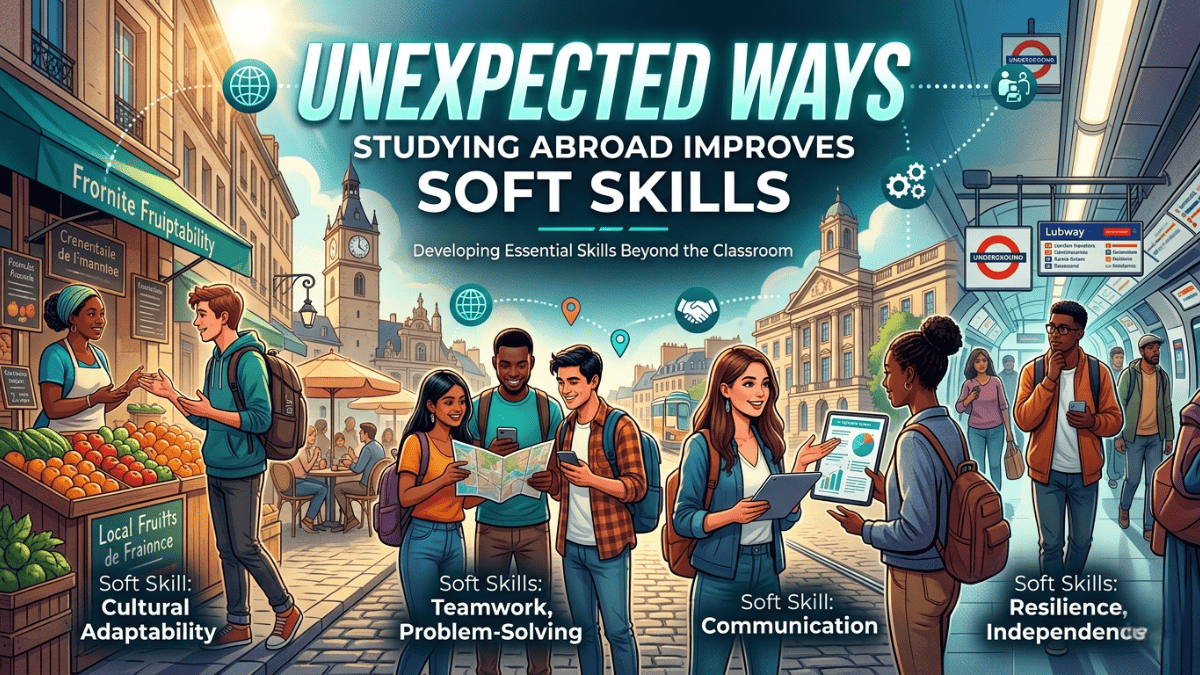
Enhancing Emotional Intelligence Through Studying Abroad
Studying abroad presents a unique opportunity to enhance emotional intelligence (EI), a vital soft skill for personal and professional success. Interacting with diverse cultures helps students develop empathy and adaptability, essential components of EI.
- Cultural Exposure: Immersion in a new environment forces individuals to confront and understand different perspectives. For instance, a student in Japan might learn the value of subtle communication, which can improve their ability to read emotional cues.
- Real-World Problem Solving: Navigating everyday challenges in a foreign country fosters resilience. A student dealing with a language barrier will learn to communicate effectively, enhancing their social awareness and relationship management.
- Building Relationships: Forming friendships with locals or fellow international students can deepen understanding of varied emotional expressions and reactions, enriching one's emotional vocabulary.
Pro Tip: Keep a journal during your study abroad experience. Reflecting on your interactions can help you identify emotional triggers and improve your self-awareness.
Ultimately, the blend of challenges and rewards from studying abroad significantly shapes one's emotional intelligence, preparing individuals for success in increasingly global workplaces.
Understanding and Managing Emotions in a New Culture
Navigating emotions in a new culture can be both challenging and rewarding. Experiencing different social norms and values often leads to a rollercoaster of feelings.
- Emotional Awareness: Studying abroad helps you become more attuned to your own emotional responses as well as those of others. For example, you might notice that in some cultures, direct eye contact is seen as confident, while in others, it may be viewed as disrespectful.
- Empathy Development: Encountering diverse emotional expressions enhances your empathy. You learn to interpret gestures, facial expressions, and tones differently. A case study showed that students in intercultural training reported heightened empathy towards peers from different backgrounds.
- Coping Strategies: Adapting to unfamiliar situations equips you with coping mechanisms. You might find journaling, meditation, or engaging in local social activities helpful.
Pro Tip: When feeling overwhelmed, take a moment to breathe and reflect. Ask yourself how your emotions align with cultural expectations. This practice can turn initial frustration into understanding and growth.
By embracing these emotional shifts, you foster resilience and adaptability, key components of effective soft skills.
Building Empathy and Social Skills
Studying abroad immerses students in diverse cultural environments, fostering empathy and enhancing social skills. Engaging with peers from various backgrounds helps individuals understand different perspectives, which is essential in today’s globalized world.
- Active Listening: In multicultural settings, you learn to listen actively. For instance, a student in Spain might find that discussing local customs requires careful attention to ensure respectful dialogue.
- Non-verbal Communication: Navigating social interactions in a foreign language sharpens your ability to interpret body language and facial expressions. A South Korean student in Italy might discover that gestures play a significant role in conversation, helping them build rapport.
- Conflict Resolution: Being in a new culture often leads to misunderstandings. Learning to navigate these situations cultivates problem-solving skills. An example is a group project among international students that requires negotiation and compromise to succeed.
Pro Tip: Engage in local community events or volunteer opportunities while abroad. These experiences not only expand your network but also provide real-world practice in navigating social dynamics and building empathy toward different cultures.
Cultural Adaptability: A Key Skill Acquired Abroad
Studying abroad immerses students in diverse cultures, fostering cultural adaptability—a vital soft skill in today’s globalized world. Navigating different customs, languages, and social norms enhances one's ability to adjust to new environments and perspectives.
- Understanding Diverse Perspectives: Engaging with locals allows students to appreciate various viewpoints. For instance, a student in Japan might learn the importance of group harmony, influencing their collaborative skills back home.
- Communication Skills: Adapting to cultural nuances improves verbal and non-verbal communication. A case study from a 2023 report shows that international students often develop sharper listening skills, crucial for effective teamwork.
- Problem-Solving Abilities: Encountering and overcoming challenges in unfamiliar settings builds resilience. For instance, a student who navigates public transport in a foreign city learns quickly to think on their feet.
Pro Tip: Keep a journal of your experiences abroad. Reflecting on challenges faced and solutions applied can deepen your understanding of cultural adaptability.
Ultimately, these experiences not only enrich personal growth but also enhance employability, making candidates more attractive to potential employers.
Navigating Cultural Differences
Studying abroad immerses you in diverse cultures, enhancing your ability to navigate cultural differences. This exposure not only broadens your worldview but also sharpens your interpersonal skills.
- Active Listening: Engaging with people from different backgrounds encourages you to listen more intently. For instance, a student studying in Japan may learn to appreciate non-verbal cues and context in conversations.
- Flexibility: Adapting to new customs and practices fosters flexibility. A case study of an American student in Italy highlights how they adapted their communication style to be more expressive, improving their relationships with locals.
- Empathy: Understanding cultural nuances develops empathy. When you live in a new environment, you start to see things from others' perspectives, which can significantly improve your collaborative skills.
Pro Tip: Keep a journal of your experiences. Reflecting on daily interactions can help you identify areas of improvement in your cultural navigation skills.
Embracing these challenges not only enhances your soft skills but also prepares you for global citizenship in an increasingly interconnected world.
Developing Flexibility and Open-mindedness
Studying abroad inherently requires you to adapt to new environments, which fosters flexibility and open-mindedness. Immersed in different cultures and perspectives, you learn to navigate unfamiliar social norms and customs.
- Cultural Adaptation: Engaging with local traditions can challenge your preconceptions. For instance, a student studying in Japan might experience the importance of group harmony and learn to value consensus over individual opinion.
- Problem-Solving Skills: Encountering language barriers or logistical challenges pushes you to think creatively. One student in Spain developed her negotiation skills when trying to rent an apartment without fluent Spanish, leading to a unique deal she would have never tried back home.
Pro Tips:
- Embrace Discomfort: Step out of your comfort zone; it’s where growth happens. Attend local events or join clubs that interest you.
- Reflect on Experiences: Keep a journal of your daily interactions and insights. This helps you recognize shifts in your mindset and enhances your adaptability.
According to a 2024 survey by Statista, students who studied abroad reported a significant increase in open-mindedness, highlighting the profound impact of these experiences on personal development.
Leadership Skills Fostered by Studying Abroad
Studying abroad presents a unique opportunity to develop essential leadership skills. By navigating new environments, students enhance their ability to lead effectively in diverse situations.
- Cultural Sensitivity: Engaging with different cultures fosters an understanding of various perspectives. For instance, a student leading a multicultural group project learns to appreciate diverse viewpoints, which is critical in global leadership roles.
- Adaptability: Moving to a new country requires quick thinking and flexibility. A student who successfully adapts to unexpected challenges, like sudden changes in group dynamics, hones their ability to lead through uncertainty.
- Communication Skills: Language barriers encourage creativity in communication. Students often find innovative ways to express ideas, making them better communicators—a vital trait for effective leadership.
- Conflict Resolution: Living abroad may bring conflicts arising from cultural misunderstandings. By learning to mediate these situations, students become adept at resolving disputes, a key aspect of leadership.
Pro Tip: Engage in leadership roles during your study abroad experience, like organizing events or joining student organizations, to practice these skills firsthand.
Taking Initiative in Unfamiliar Settings
Stepping into an unfamiliar environment can be daunting, but it’s a prime opportunity for personal growth and skill development. Taking initiative in such settings fosters adaptability and confidence.
- Engage with locals: Start conversations with residents. For instance, if you're studying in Spain, join a local cooking class to learn about culture and cuisine. This not only enhances your language skills but also helps you build a network.
- Seek out opportunities: Volunteer for community projects or join student organizations. A student in Germany organized a cultural exchange event that improved her project management and communication skills.
- Ask questions: Whether in class or during social events, don’t hesitate to inquire about customs or traditions. This shows your eagerness to learn and can lead to deeper connections.
Pro tip: Keep a journal to reflect on your experiences and challenges faced while taking initiative. This reflection can cement the skills you gain and help you track your personal development.
Building Confidence and Persuasion Abilities
Studying abroad presents unique opportunities to build confidence and enhance persuasion abilities. Immersed in a new culture, students are often required to step outside their comfort zones. This experience hones their ability to communicate effectively with diverse audiences.
- Engagement with Different Cultures: Interacting with locals helps students practice persuasion in real-time. For instance, a student negotiating a price in a bustling market develops not only bargaining skills but also cultural sensitivity.
- Public Speaking Opportunities: Many programs include presentations or group projects. These settings provide a safe space to practice public speaking, which directly boosts confidence levels. A study by Toastmasters International noted that individuals who practice public speaking regularly report a 75% increase in self-confidence.
- Networking: Building connections with peers from various backgrounds enhances interpersonal skills. The ability to network across cultures is a valuable asset in any career.
Pro Tip: Join local clubs or organizations while abroad. Engaging with others in informal settings can significantly improve your ability to persuade and influence.
Character Development Through International Experiences
Studying abroad can significantly enhance character development by exposing students to diverse cultures and perspectives. Engaging with people from different backgrounds fosters adaptability and empathy, essential components of emotional intelligence.
- Cultural Sensitivity: Living in a foreign country teaches students to navigate cultural nuances, improving their ability to communicate effectively. For example, a student in Japan may learn the importance of non-verbal cues, which can lead to more profound interpersonal connections.
- Problem-Solving Skills: Facing unexpected challenges, such as language barriers or unfamiliar customs, encourages creative thinking. A case study of an American student in Spain highlights how quickly adjusting plans due to a missed train led to discovering local hidden gems and forming lasting friendships.
Pro Tip: Keep a journal during your travels to reflect on experiences. This practice can sharpen your self-awareness, helping you recognize your growth over time.
In essence, international experiences push individuals out of their comfort zones, cultivating resilience and a broader worldview. These skills are invaluable in both personal and professional realms.
Conclusion
Studying abroad presents unique opportunities to enhance your soft skills in unexpected ways. By immersing yourself in a new culture, you can develop resilience, adaptability, and cross-cultural communication.
Key takeaways include:
- Cultural Awareness: Engaging with diverse perspectives can improve your empathy and interpersonal skills.
- Problem-Solving: Navigating unfamiliar environments fosters critical thinking and creativity, as you learn to tackle challenges with limited resources.
- Networking Skills: Building connections with people from different backgrounds enhances your ability to network effectively and leverage relationships.
For example, Sarah, a student who studied in Spain, reported that navigating local customs and language barriers significantly boosted her confidence and adaptability in professional settings.
Pro tip: Take advantage of local meet-ups or volunteer opportunities to practice these skills in real-world scenarios.
Whether you're considering studying abroad or already on your journey, remember that the soft skills you cultivate will serve you well in your personal and professional life. Embrace every challenge and interaction as a chance to grow!