
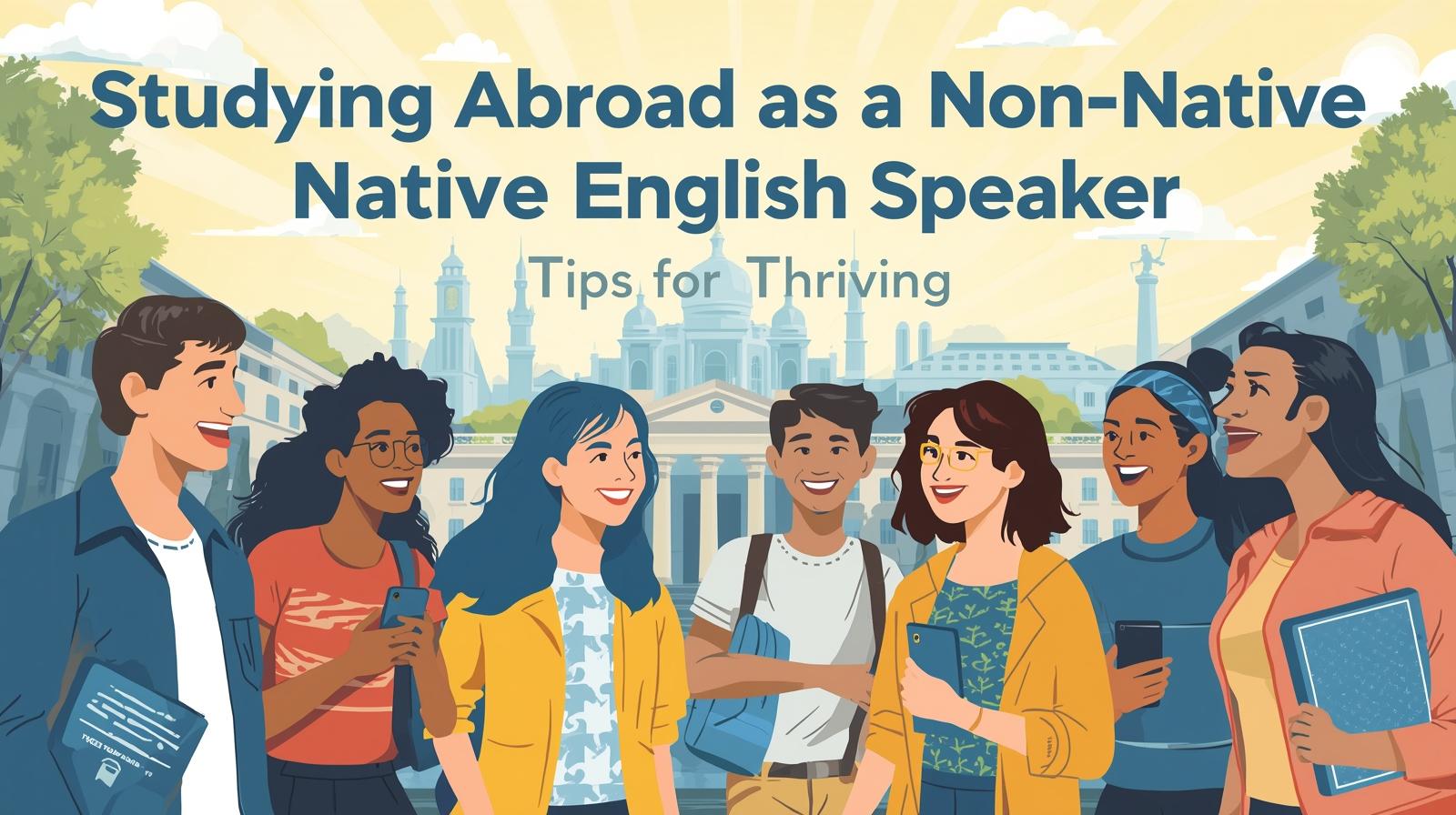
Understanding the Benefits of Studying Abroad
Studying abroad presents a wealth of opportunities, especially for non-native English speakers. Here are some key benefits:
- Language Immersion: Engaging with native speakers daily accelerates language acquisition. For example, Maria, a student from Brazil, improved her English fluency by participating in local community events and conversations with classmates.
- Cultural Exposure: Living in a new country enriches your understanding of different cultures. You’ll learn to navigate cultural nuances, which can enhance both personal growth and employability.
- Networking Opportunities: International experiences often lead to valuable connections. Joining student organizations or local clubs can help you build a global network, opening doors to future job opportunities.
- Enhanced Career Prospects: Employers value diverse experiences. According to a recent survey by Statista, 70% of hiring managers prefer candidates with international study experience, seeing it as a sign of adaptability and global awareness.
Pro Tip: Keep a journal while studying abroad to reflect on your experiences and monitor your language progress. This will not only improve your writing skills but also create lasting memories of your journey.
Overcoming English Language Challenges
Overcoming language challenges can be daunting, but there are effective strategies to enhance your English skills and boost your confidence.
- Practice Daily: Engage in daily conversations with native speakers. This can be as simple as chatting with roommates or joining language exchange groups on campus. For instance, a student from Brazil improved her fluency by participating in weekly meetups with local English speakers.
- Immerse Yourself: Surround yourself with English media. Watching English movies, listening to podcasts, or reading books can help you get comfortable with the language. Pro tip: Use subtitles in your native language initially, then switch to English subtitles as you progress.
- Utilize University Resources: Most universities offer language support services, including workshops and tutoring. Don’t hesitate to take advantage of these resources. For example, a student who attended weekly writing workshops saw significant improvements in his academic papers.
- Set Realistic Goals: Break down your language learning into manageable tasks. Aim to learn a few new words or phrases each day. Celebrate small wins, like successfully participating in a class discussion.
By actively seeking opportunities to practice and immerse yourself in the language, you'll find your confidence and skills growing over time.
Improving English Skills Before Departure
To maximize your English skills before departing, focus on both structured learning and practical usage. Consider these key strategies:
- Enroll in an English Course: Look for intensive language programs in your area. Many institutions offer courses specifically designed for non-native speakers, helping you improve grammar, vocabulary, and pronunciation.
- Practice Speaking: Join local language exchange meetups or online platforms like Tandem or HelloTalk. Engaging with native speakers enhances confidence and fluency. For instance, Maria, a student from Brazil, practiced with a language partner weekly, which significantly improved her conversational skills.
- Immerse Yourself in the Language: Watch English movies, listen to podcasts, or read books. Choose genres that interest you, as this makes learning enjoyable. For example, if you love mysteries, reading Agatha Christie novels can build vocabulary in an entertaining way.
- Use Language Apps: Apps like Duolingo or Babbel can supplement your learning. Allocate 10-15 minutes daily to reinforce vocabulary and grammar.
Pro Tip: Keep a journal in English. Writing about your day helps consolidate what you've learned while improving writing skills. Aim for at least a few sentences each day!
Utilizing Language Resources Abroad
- Leverage Language Exchange Programs: Participating in language exchange can significantly enhance your speaking skills. For example, joining a local “English Conversation Club” can help you practice with native speakers while they learn your native language.
- Utilize Online Resources: Platforms like Duolingo, Babbel, and Tandem offer language practice on the go. Engaging in daily lessons or conversations can increase your confidence and fluency.
- Visit Libraries and Cultural Centers: Many cities have libraries or cultural centers that offer free language workshops. This provides an opportunity not only to learn but also to connect with other non-native speakers.
- Engage with Local Media: Watching local television shows or listening to the radio can improve your understanding of colloquial language and slang. For instance, following a popular local podcast can help you tune into everyday conversations.
- Pro Tip: Don’t hesitate to ask locals for help. Most people appreciate when non-native speakers make an effort, and this can lead to valuable learning experiences.
By actively utilizing these resources, you can create an immersive language-learning environment that accelerates your adaptation and growth while studying abroad.
Study Abroad Tips for International Students
- Research Your Destination: Before arriving, familiarize yourself with your host country’s culture, customs, and education system. This will not only help you adapt but also ease language barriers. For instance, understanding classroom etiquette can reduce anxiety during your first interactions.
- Join Student Groups: Engage with student organizations that focus on international students or your field of study. This can provide a supportive community and offer opportunities to practice English in a more relaxed setting.
- Practice Language Skills: Take advantage of language exchange programs. Partner with native speakers who want to learn your language. For example, a Spanish student may help improve your conversation skills while you assist them with English.
- Utilize Campus Resources: Many universities offer free language workshops, tutoring sessions, or writing centers. Take full advantage of these resources to enhance your academic skills.
- Set Goals: Establish specific language goals, such as reading a book in English each month or attending a weekly English-speaking club. Pro tip: Track your progress to stay motivated.
- Stay Open-Minded: Embrace mistakes as part of the learning process. Share your experiences with peers; they may relate to your challenges and offer support.
Choosing the Right University and Program
Choosing the right university and program is crucial for a successful study abroad experience. Here are some tips to guide your decision:
- Research Reputable Institutions: Look for universities known for their support programs for international students. For instance, the University of Toronto offers extensive language resources for non-native speakers.
- Program Relevance: Ensure the program aligns with your career goals. If you’re interested in environmental science, a program at a university with strong ties to industry can be beneficial.
- Language Support Services: Check if the university provides English language support, such as tutoring or conversation partners. For example, University College London offers workshops that can enhance your language skills.
- Cultural Fit: Consider the culture of the university and the city. Some universities, like those in the UK, offer a rich historical context that might enhance your learning experience.
Pro Tip: Reach out to current or former students via social media or university forums. Their insights can provide a clearer picture of what to expect.
Making an informed choice will not only help you academically but also enrich your overall experience abroad.
Preparing Culturally and Academically
To thrive academically and culturally while studying abroad, it's essential to prepare in advance.
- Language Proficiency: Enhance your English skills through online courses or local conversation groups. Practicing with native speakers can significantly boost your confidence. For instance, Maria, a student from Spain, improved her fluency by joining a weekly English club.
- Cultural Research: Familiarize yourself with the customs and social norms of your host country. Understanding cultural nuances can help prevent misunderstandings. For example, in the UK, it’s common to queue for services; skipping the line may be seen as rude.
- Networking: Connect with other international students before arrival. Joining online forums or social media groups can help you find study partners and friends. This pre-arrival connection can ease the transition.
- Local Resources: Research libraries, cultural centers, and language support services at your institution. Many universities offer workshops tailored for non-native speakers to enhance writing and communication skills.
Pro Tip: Keep a journal of your experiences and challenges. Reflecting on your journey can accelerate cultural adaptation and improve language skills.
Engaging with the Local Community
Engaging with the local community can significantly enhance your study abroad experience. It helps you improve your language skills while also allowing you to make meaningful connections.
- Join local clubs or organizations: Look for student organizations, cultural clubs, or hobby groups that align with your interests. For example, if you enjoy cooking, consider joining a cooking class where you can interact with locals and practice English in a relaxed setting.
- Attend community events: Festivals, markets, and workshops are great places to meet people. Participating in these events not only boosts your language skills but also gives you insights into local culture. Check local listings or community boards for upcoming activities.
- Volunteer: Giving back to the community is a rewarding way to connect with locals. Volunteer opportunities can range from helping at animal shelters to participating in community clean-up days. This not only improves your English but also allows for immersive experiences.
Pro Tip: Don’t hesitate to start conversations! Most locals appreciate the effort and will be more than willing to help you practice your English. Try to ask simple questions to get the conversation flowing, like “What’s your favorite local dish?”
Participating in Language Exchange Programs
Participating in language exchange programs can significantly enhance your English skills while immersing you in the local culture. Connecting with native speakers offers a unique opportunity to practice conversational English in real-life settings.
- Find a Partner: Websites like Tandem or ConversationExchange can help you locate language partners who want to learn your native language.
- Set Goals: Agree on specific goals with your partner. For example, dedicate half the session to English and the other half to your language. This ensures a balanced exchange.
- Use Real Scenarios: Practice common situations, such as ordering food or asking for directions. This not only improves vocabulary but also boosts confidence.
Pro Tip: Schedule regular meetups, either in person or virtually. Consistency is key in language learning.
Consider the story of Maria, a Spanish student who paired with a local English speaker. After three months of weekly exchanges, she reported a noticeable improvement in her fluency and a deeper understanding of cultural nuances, enhancing her overall study abroad experience.
Building a Support Network
Building a support network while studying abroad is crucial for success, especially for non-native English speakers. Connecting with others can enhance your experience and provide valuable resources.
- Join student organizations: Look for clubs that cater to international students or specific interests like language exchange. For example, the International Student Association often has events that foster community.
- Utilize social media: Platforms like Facebook and Instagram host groups specifically for students in your area. Engage actively to find friends or study partners.
- Attend language meetups: Participating in local language exchange events can improve your English skills. Websites like Meetup.com often list events where you can practice speaking with native speakers.
- Seek mentorship: Connect with professors or local students who can offer guidance. Many universities have mentorship programs designed to help international students acclimate.
Pro Tip: Don’t hesitate to reach out to fellow students. Forming study groups can not only aid your academic performance but also build lasting friendships. A supportive network can turn challenges into shared experiences, making your study abroad journey more enjoyable and enriching.
Conclusion
Studying abroad as a non-native English speaker can be both a rewarding and challenging experience. By focusing on the right strategies, you can maximize your success and enjoyment during your time overseas.
Key Takeaways:
- Enhance Language Skills: Engage in language exchange programs or local conversation groups. For example, many universities offer weekly meet-ups where international students can practice English with native speakers.
- Utilize Resources: Take advantage of campus resources like writing centers or language labs. They can provide invaluable support in improving your academic writing and comprehension.
- Build a Support Network: Form connections with other international students. Sharing experiences helps foster a sense of community and can ease feelings of isolation.
- Stay Open-Minded: Embrace cultural differences and be willing to adapt. This flexibility not only enriches your experience but also enhances your learning.
Pro Tip: Set specific language goals, like learning five new words daily or writing a weekly journal, to steadily improve your English proficiency.
Embrace these strategies, and you’ll not only thrive academically but also create lasting memories and friendships during your journey abroad.