
EduCtrl is a feature-rich cloud-based software to manage all aspects of Overseas Education Consultancy Business, Training/Coaching Institutions.
+91-924-213-7092
Give us a call
info@eductrl.com
Drop us email
IELTS vs. TOEFL: Which One Should You Choose?
Published: May 19, 2026
Introduction
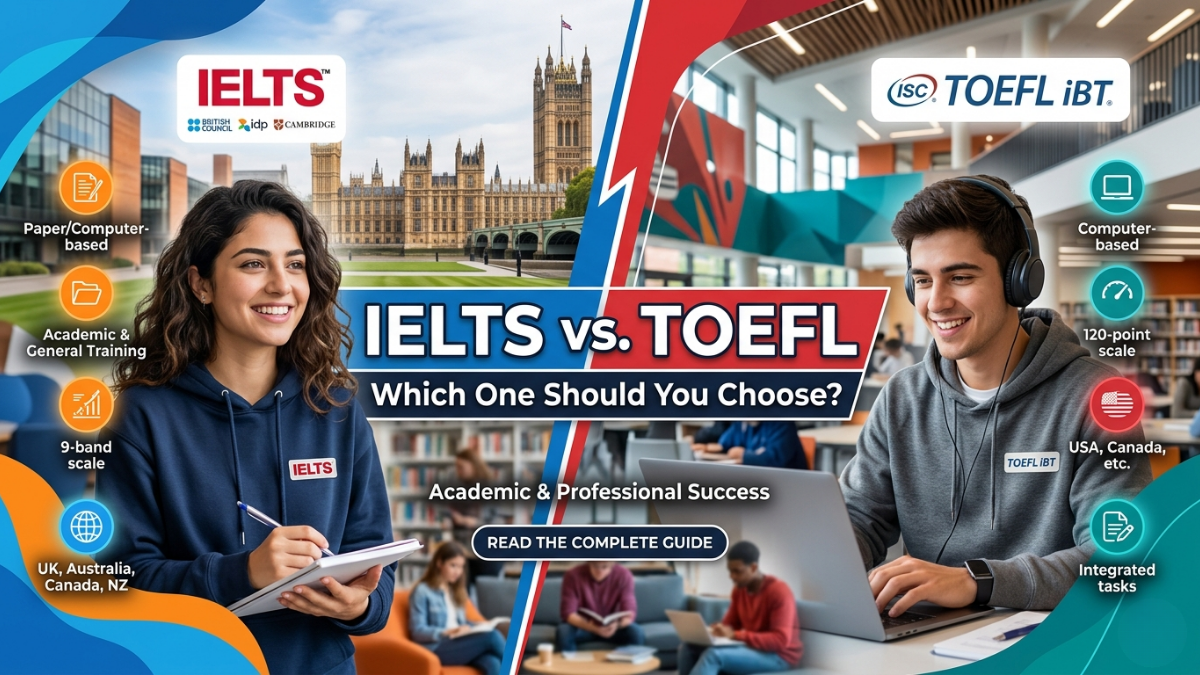
In an increasingly globalized world, mastering English can open up countless opportunities. Deciding between the IELTS and TOEFL tests can feel overwhelming for many.
Both exams serve as gateways to higher education and employment in English-speaking countries, but they have distinct formats and focuses:
- IELTS is known for its conversational speaking section, which can be beneficial for those who thrive in verbal interactions.
- TOEFL, on the other hand, leans more towards academic English and is entirely computer-based, making it ideal for tech-savvy test-takers.
Pro Tip: Research the requirements of your desired institutions. Some universities prefer one test over the other.
Understanding the nuances of each test can significantly impact your preparation strategy and results. In this article, we will explore the key differences, advantages, and disadvantages of IELTS and TOEFL, helping you make an informed choice that aligns with your personal goals and learning style.
How to Choose the Right University Abroad for Your Career Goals
Published: May 14, 2026

Introduction
Deciding to study abroad can be exhilarating, but choosing the right university is a pivotal step that influences your career trajectory. The options are vast, with institutions offering various programs, cultures, and opportunities.
Understanding how to align your university choice with your career goals is essential. A well-suited university can provide not just an education but invaluable connections and experiences. For instance, a student aiming for a career in international business may benefit from a university in a global financial hub like London or New York.
When evaluating your options, consider these factors:
- Program reputation: Research rankings and reviews specific to your field.
- Internship opportunities: Look for universities with strong industry ties.
- Alumni success: Investigate where graduates work and their career paths.
Pro tip: Connect with current students or alumni through platforms like LinkedIn to gain insights into their experiences and outcomes. Your choice of university can be the launchpad for achieving your career aspirations.
Best Countries to Study Abroad on a Budget in 2026
Published: May 12, 2026
Introduction
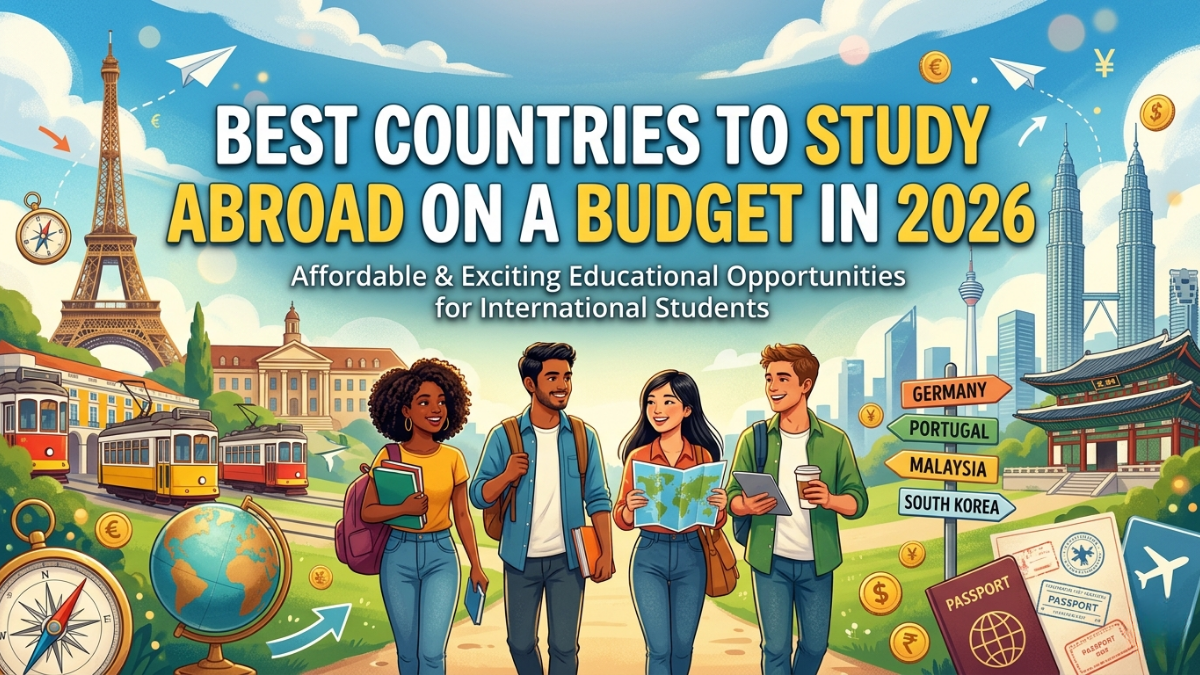
Studying abroad can be a life-changing experience, but the fear of overspending often holds students back. Fortunately, in 2026, there are several budget-friendly countries that offer quality education without draining your wallet.
With increasing tuition fees in many regions, finding affordable options becomes essential. Countries like Germany, Mexico, and Poland have made significant strides in providing low-cost education while maintaining high academic standards.
Consider these key factors when selecting your destination:
- Tuition Fees: Some countries offer free or low-cost university education for international students.
- Cost of Living: Look for places where daily expenses, such as housing and food, are manageable.
- Student Discounts: Many countries provide discounts on public transportation and amenities for students.
Pro tip: Research scholarships and financial aid options specific to your chosen country to maximize your savings. By choosing wisely, you can enjoy an enriching educational experience without breaking the bank.
Why Canada, Australia, and UK Are Losing Students to Alternative Destinations
Published: May 07, 2026
Introduction
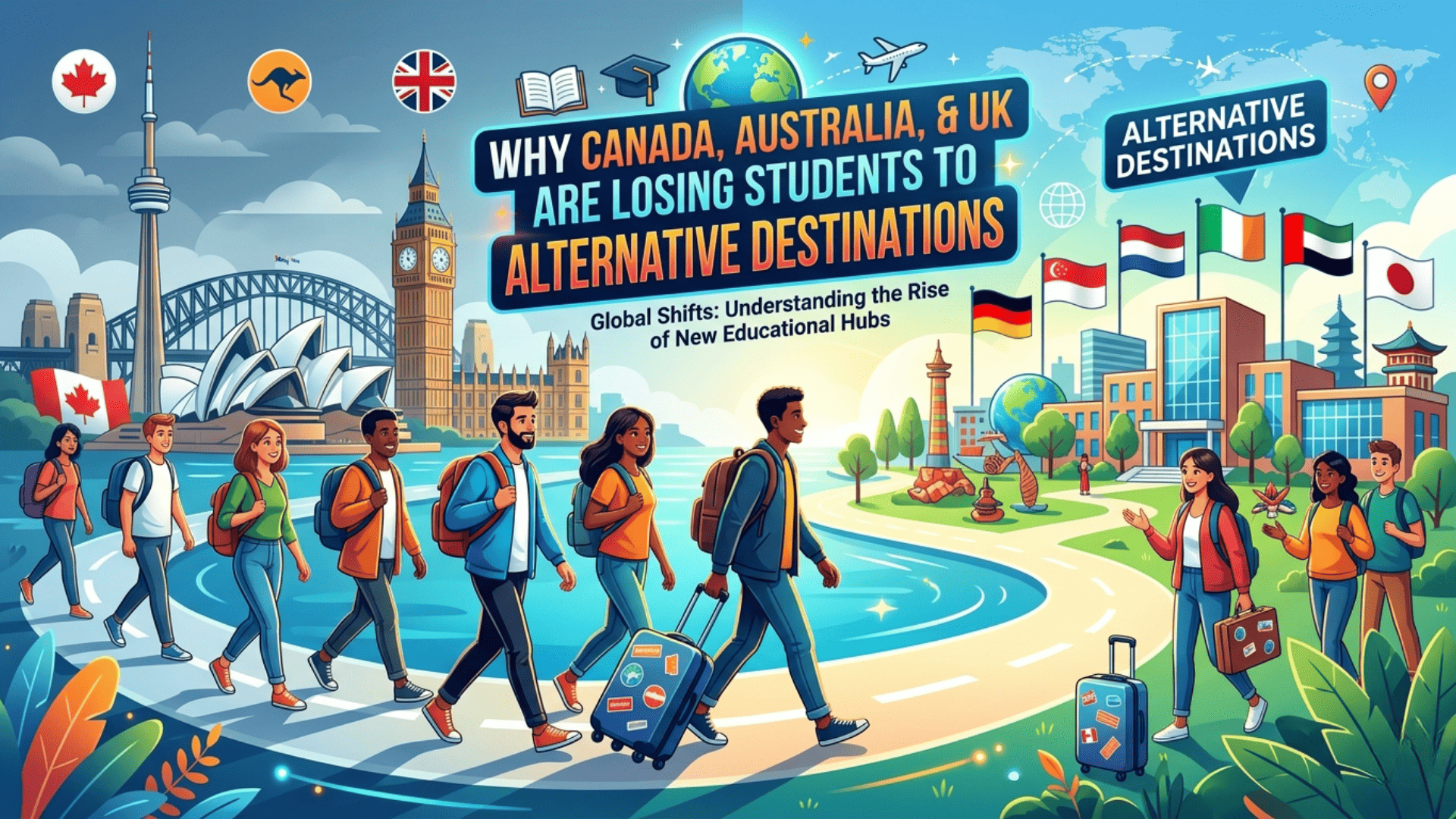
As the demand for global education continues to rise, traditional study destinations like Canada, Australia, and the UK are facing an unexpected challenge. A growing number of international students are exploring alternative destinations that promise comparable quality of education at a lower cost and with fewer restrictions.
Several factors are reshaping the landscape of international education:
- Affordability: Countries such as Germany and the Netherlands offer tuition-free or low-cost education for international students, making them attractive alternatives.
- Flexible visa policies: Nations like New Zealand are implementing more student-friendly visa regulations, allowing for easier transitions from student to skilled worker.
- Cultural diversity: Emerging destinations like Portugal and Singapore are not only welcoming but also offer rich cultural experiences that appeal to students.
According to a 2026 study by Education International, these factors are crucial in influencing students' choices. Understanding these shifts can help institutions in Canada, Australia, and the UK strategize to retain their competitive edge in the global education market.
How Top Consultancies Retain Students After Initial Enrollment
Published: May 05, 2026
_1777961034.png)
Introduction
In a competitive education landscape, keeping students engaged after enrollment is crucial. Many consultancies face challenges in maintaining student interest and commitment, often resulting in dropouts.
Top consultancies implement strategic retention techniques that not only keep students enrolled but also enhance their overall experience. Consider these key strategies:
- Personalized Communication: Tailored messages help students feel valued. For instance, one consultancy sends personalized emails highlighting course milestones and upcoming events.
- Community Building: Creating a sense of belonging can significantly boost retention. For example, hosting networking events fosters connections among students.
- Regular Feedback Loops: Actively seeking student input allows consultancies to adapt their offerings. Pro tips include using surveys or informal check-ins to gauge satisfaction.
By focusing on these elements, consultancies can improve student retention rates and foster a more engaged learning environment. In the following sections, we will explore these strategies in detail and uncover insights from successful consultancies.
Lead Scoring for Study Abroad Consultancies: How to Prioritize Inquiries
Published: May 04, 2026

Introduction
In the competitive landscape of study abroad consultancies, effectively managing inquiries can make all the difference. With countless students seeking guidance on their international education journeys, distinguishing between high-potential leads and casual inquiries is crucial.
Lead scoring offers a systematic approach to prioritize these interactions. By evaluating inquiries based on specific criteria, you can allocate resources more efficiently and increase conversion rates. For instance, consider the following factors:
- Engagement Level: Have they opened your emails multiple times?
- Demographic Fit: Do they match your target student profile?
- Specificity of Inquiry: Are they asking detailed questions about programs or just general information?
A case study from EduConsult shows that by implementing a lead scoring system, they increased their conversion rate by 30% within six months.
Pro tip: Regularly refine your scoring criteria based on feedback and results to ensure you’re aligning with changing trends. As you navigate through this article, you’ll uncover effective strategies to enhance your lead scoring process and maximize your consultancy’s potential.
Also Read